


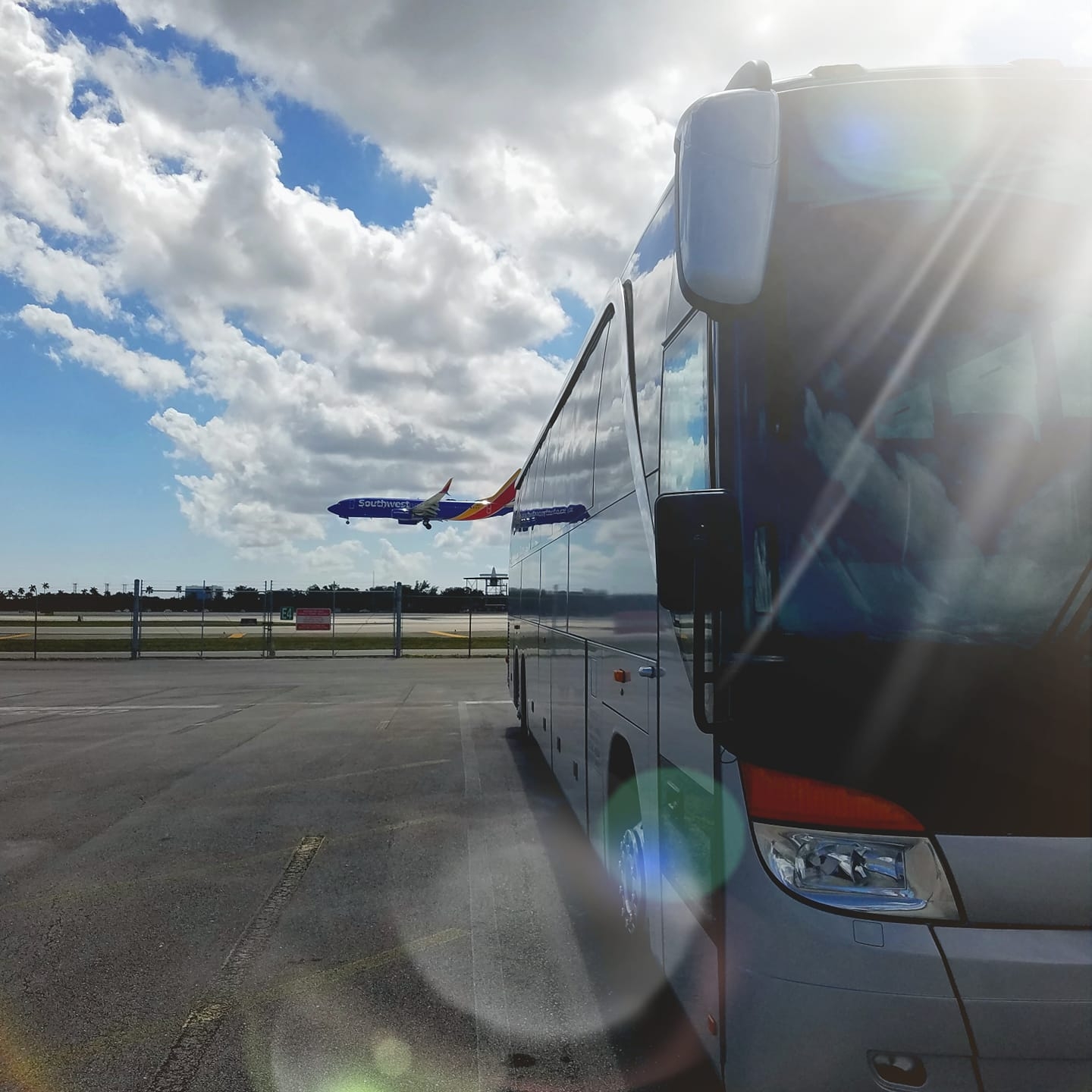
Ultimate Miami Team Outings: Top Group Activities + Transportation
This article serves as a practical guide for organizing group activities in Miami, Florida, with a focus on team outings. It outlines various options for activities and transportation, offering a framework for planning successful events.
Miami presents a diverse urban and natural environment conducive to a multitude of group activities. Its geographical position, cultural tapestry, and established tourism infrastructure offer a range of possibilities, from passive observation to active participation. When planning a team outing, consider Miami not as a singular entity, but as a collection of distinct districts and experiences, each with its own character and logistical considerations. Think of Miami as a multi-faceted gem; each facet offers a different sparkle.
Geographical Considerations
Miami’s sprawling nature requires a strategic approach to planning. The city proper, Miami Beach, and surrounding areas like Coral Gables or Wynwood, each possess unique attractions. The distance between these locations can be significant, directly impacting travel time and transportation logistics. For instance, an activity in South Beach followed by dinner in Brickell necessitates careful scheduling to avoid delays. Consider the layout of the city as a chessboard; each move, or location choice, affects the subsequent play.
Cultural Influences
Miami’s Cuban, Caribbean, and Latin American influences are pervasive, offering rich opportunities for culturally immersive team outings. This can manifest in culinary experiences, art walks, or dance workshops. Integrating these cultural elements can provide a unique and memorable experience, fostering team cohesion through shared exploration of new traditions. This cultural mosaic can be a powerful ingredient for team bonding, much like a carefully blended spice mix enhances a dish.
Seasonal Factors
Miami’s climate, characterized by warm temperatures year-round, high humidity in summer, and a distinct hurricane season (June to November), impacts outdoor activity selection. The comfort of participants should be a primary concern. Indoor alternatives or shaded outdoor venues become crucial during the hotter months. Conversely, the cooler, drier winter months (December to April) are ideal for expansive outdoor programs. Plan with the seasons in mind; attempting a full day of beach volleyball in August mirrors trying to sail a boat without wind—it’s possible, but less enjoyable and efficient.
If you’re planning a memorable team outing in Miami, it’s essential to consider not only the activities but also the transportation logistics to ensure a smooth experience. For a comprehensive guide on the best group activities and an effective transportation plan, check out this related article on charter bus services that can accommodate your team’s needs. You can find more information here: Charter Bus Services. This resource will help you navigate the options available for group travel, making your outing both enjoyable and hassle-free.
Curated Activity Options for Team Cohesion
The selection of activities should align with the objectives of the team outing, whether it’s fostering collaboration, promoting relaxation, or encouraging problem-solving. This section outlines various categories of activities, each with distinct benefits and logistical requirements.
Experiential Learning and Problem Solving
Activities designed to challenge teams to collaborate and problem-solve can be highly effective for professional development. These often involve structured tasks that require communication, strategic thinking, and shared effort.
- Escape Rooms: These immersive experiences require teams to work together to solve puzzles and decipher clues within a time limit. Miami offers numerous escape room venues, each with different themes and difficulty levels. They function as a pressure cooker, revealing individual strengths and weaknesses within a collaborative environment.
- Scavenger Hunts (Urban or Park-Based): These customizable activities can be designed to explore specific neighborhoods (e.g., Wynwood Walls, Little Havana) or parks (e.g., Fairchild Tropical Botanic Garden). They encourage exploration, teamwork, and often involve navigating specific routes and completing challenges. Consider a scavenger hunt as weaving a narrative through the city, with the team as the protagonists.
- Team Building Challenges (Facilitated): Professional facilitators can design and lead a variety of challenges, ranging from low-ropes courses to elaborate strategic simulations. These often require significant upfront planning and budget but can yield substantial team development benefits. These are like a tailored suit for your team, custom-fit to address specific developmental goals.
- Culinary Workshops: Engaging in a cooking class or cocktail-making workshop can foster collaboration in a relaxed, enjoyable setting. Teams learn new skills together and enjoy the fruits of their collective labor. This is akin to a collaborative symphony, where each team member contributes their instrument to a harmonious finale.
Leisure and Recreation
Activities focused on relaxation and enjoyment can be beneficial for boosting morale and reducing stress. These often require less structured interaction and allow for informal bonding.
- Boat Tours (Sightseeing or Private Charter): Miami’s coastal location makes boat tours a popular option. From sightseeing cruises of Biscayne Bay to private yacht charters for more exclusive experiences, these tours offer scenic views and a relaxed atmosphere. A boat tour provides a panoramic perspective, both of the city and of team dynamics in a more relaxed setting.
- Beach Outings (South Beach, Key Biscayne): Miami’s iconic beaches offer opportunities for swimming, sunbathing, and beach games. Consider renting cabanas or setting up a dedicated area for the team. Remember, a beach outing is a canvas for relaxation; the team paints their own picture of leisure.
- Art and Culture Walks (Wynwood, Little Havana): Exploring Miami’s vibrant art districts or culturally rich neighborhoods offers a stimulating and educational experience. Guided tours can enhance the experience by providing context and insights. These walks are like opening a book, each district a new chapter, revealing the city’s diverse narratives.
- Sporting Events (Marlins Park, FTX Arena): Attending a professional sporting event can be a unifying experience, fostering camaraderie through shared excitement and support for a local team. This is a communal roar, a shared experience of triumph or anticipation.
- Spa and Wellness Retreats: For a more luxurious and relaxing experience, a spa day or wellness retreat can offer team members an opportunity for rejuvenation and individual pampering. This is an investment in individual well-being, which ultimately contributes to collective productivity.
Culinary Experiences
Miami’s diverse culinary scene provides ample opportunities for group dining, from casual eateries to upscale restaurants. Food is often a universal language that facilitates connection.
- Restaurant Buyouts or Private Dining: For larger groups, securing a private dining room or even buying out an entire establishment offers exclusivity and a tailored experience. This creates a dedicated stage for team interaction, free from external distractions.
- Food Tours (Specific Neighborhoods): Guided food tours, particularly in areas like Little Havana or South Beach, allow teams to sample various local delicacies and learn about the city’s culinary history. Think of it as a culinary pilgrimage, each stop a new flavor revelation.
- Rooftop Bars and Lounges: Miami boasts numerous rooftop venues offering panoramic city views and a chic atmosphere for informal gatherings, cocktails, and appetizers. These elevated vistas offer a fresh perspective, both literally and figuratively, on team interactions.
Optimizing Transportation for Group Movements

Efficient transportation is a critical component of any successful group outing in Miami. Given the city’s geographical spread and traffic patterns, a well-thought-out transportation plan is essential to maintain schedules and ensure participant comfort. Treat transportation as the sinews of your event, binding all elements together.
Considerations for Transportation Selection
Factors such as group size, budget, distance between venues, and desired level of comfort will influence the choice of transportation.
- Group Size: Small groups (under 15-20) might comfortably utilize ride-sharing services or a single larger van. Mid-sized groups (20-50) often benefit from shuttle buses or mini-coaches. Large groups (over 50) almost invariably require multiple motorcoaches.
- Budget: Costs vary significantly. Ride-sharing is generally cost-effective for small, spontaneous movements. Private coaches represent a higher upfront cost but offer reliability and comfort for larger groups.
- Route and Timing: Analyze the planned route and anticipate potential traffic congestion. Morning and evening rush hours are particularly challenging in Miami. Factor in extra buffer time.
- Amenities: Consider amenities like air conditioning (crucial in Miami), Wi-Fi, and onboard restrooms, especially for longer journeys.
Available Transportation Modalities
Miami offers a range of transportation options suitable for groups.
- Charter Buses and Motorcoaches: For larger groups, chartering a private bus or motorcoach provides a reliable and comfortable solution. These vehicles come equipped with air conditioning, comfortable seating, and often entertainment systems. They eliminate the complexities of individual transportation and allow for direct, scheduled travel between destinations. Consider a private coach as a mobile command center, keeping your team together and on schedule.
- Mini-Coaches and Shuttle Buses: Smaller versions of motorcoaches, suitable for medium-sized groups (20-35 passengers). They offer similar comfort and amenities but are more agile in urban environments.
- Full-Size Motorcoaches: Ideal for large groups (40-56 passengers) and longer distances. They offer extensive luggage capacity and various onboard amenities.
- Vans and Sprinter Vans: For smaller to medium-sized groups (7-15 passengers), private van rentals or chauffeured sprinter vans offer a more intimate and flexible option. They are useful for navigating tighter urban streets or for groups requiring more frequent stops. Think of them as individual threads, capable of being woven into a larger fabric of mobility.
- Ride-Sharing Services (Uber/Lyft Business Accounts): While individual ride-sharing can be unpredictable for large groups, setting up a business account with these services can simplify coordination and billing. This allows for distributed transportation but might lack the immediate cohesion of a single vehicle. This is a decentralized network, effective for smaller, asynchronous movements.
- Water Taxis or Private Boat Charters: For activities involving Miami’s waterways, water taxis or private boat charters can serve as both transportation and part of the experience. This provides a unique perspective and bypasses road traffic. This offers a Venetian perspective, navigating the city by its veins of water.
- Public Transportation (Metromover/Metrorail): While less common for organized team outings due to flexibility and capacity constraints, Miami’s Metromover (free, elevated rail in downtown) and Metrorail can be utilized for specific, short-distance movements within their coverage areas, especially for smaller, adventurous groups. This is a skeletal system of urban transit, useful for specific, targeted movements.
Booking and Coordination Best Practices
Effective coordination is paramount when managing group transportation.
- Advance Booking: Always book transportation well in advance, especially during peak seasons or for large groups. Popular dates and vehicle types get reserved quickly.
- Detailed Itinerary Sharing: Provide the transportation provider with a detailed itinerary, including exact addresses, pick-up/drop-off times, and contact persons. This clarity acts as the blueprint for smooth operations.
- Communication Protocols: Establish clear communication channels with the driver(s) and a designated team lead. Share driver contact information with the team if appropriate.
- Buffer Time: Always build in buffer time to account for unforeseen delays, traffic, and participant punctuality. A schedule without buffer time is like a tightrope walk without a safety net.
- On-Site Coordination: Designate a point person responsible for coordinating transportation on the day of the event, ensuring timely arrivals and departures.
Logistical Planning and Execution

Successful team outings require meticulous planning beyond just activity selection and transportation. This section addresses other critical logistical elements that support a smooth and effective event.
Budgeting and Financial Management
A clear and comprehensive budget is the backbone of any well-planned outing. It ensures resources are allocated effectively and prevents unexpected expenditures.
- Line-Item Budget: Create a detailed budget that includes all potential costs: activity fees, transportation, food and beverages, permits, gratuities, unforeseen expenses, and contingency funds.
- Cost-Benefit Analysis: Evaluate the return on investment for each activity and service. Prioritize elements that best align with the outing’s objectives.
- Payment Structures: Clarify payment schedules and methods with all vendors in advance. Ensure clear invoicing and record-keeping. Financial planning is the rudder of your expedition, guiding you clear of budgetary shoals.
Communication Strategy
Effective communication ensures all participants are informed, prepared, and engaged throughout the outing.
- Pre-Event Information: Distribute a comprehensive itinerary, including activity descriptions, meeting points, transportation details, dress code suggestions, and contact information for event organizers. Consider this a navigational chart for your team.
- Emergency Procedures: Outline clear emergency protocols, including contact numbers for organizers, first aid information, and designated meeting points in case of separation. This is your life raft, essential for unexpected storms.
- Real-Time Updates: Be prepared to provide real-time updates regarding schedule changes, weather conditions, or unexpected delays. Utilize group messaging apps for immediate dissemination of information.
- Feedback Mechanism: Implement a system for gathering feedback after the event to inform future planning.
Contingency Planning
Anticipating potential issues and having backup plans in place is crucial for mitigating disruptions and ensuring a positive experience.
- Weather Alternatives: Miami’s weather can be unpredictable. Have indoor alternatives or rain-friendly options for outdoor activities. Consider an indoor backup venue or a weather-protected activity as your Plan B.
- Transportation Backup: Have contact information for alternative transportation providers in case of breakdowns or unforeseen cancellations.
- Medical Preparedness: Ensure access to a first aid kit and awareness of any participant’s medical conditions (with their consent). Designated staff with first aid training can be beneficial.
- Flexibility: While a detailed plan is essential, maintain a degree of flexibility. Some of the most memorable moments arise from adapting to unforeseen circumstances.
When planning an unforgettable team outing in Miami, it’s essential to consider not only the activities but also the transportation logistics to ensure a smooth experience for everyone involved. For those looking for reliable transportation options, you might find it helpful to read about charter bus rentals in this informative article. By choosing the right group activities and coordinating transportation effectively, you can create a memorable experience that strengthens team bonds. Check out the details in this related article for more insights on how to make your outing a success.
Maximizing Engagement and Impact
| Activity | Group Size | Duration | Cost per Person | Transportation Mode | Estimated Travel Time |
|---|---|---|---|---|---|
| Beach Volleyball Tournament | 10-30 | 2 hours | 15 | Chartered Bus | 20 minutes |
| Boat Cruise & Snorkeling | 15-25 | 4 hours | 60 | Van Shuttle | 30 minutes |
| Escape Room Challenge | 5-12 | 1.5 hours | 25 | Rideshare | 15 minutes |
| Art Deco Walking Tour | 10-20 | 2 hours | 20 | Walking | Varies |
| Cooking Class & Dinner | 8-16 | 3 hours | 50 | Rideshare | 20 minutes |
| Kayaking in Biscayne Bay | 6-18 | 2.5 hours | 35 | Van Shuttle | 25 minutes |
Beyond the logistics, focusing on aspects that enhance participant engagement and strengthen team bonds is vital for a truly successful team outing.
Fostering Inclusivity
Ensure activities and arrangements cater to diverse interests, physical abilities, and cultural backgrounds within the team.
- Variety of Activities: Offer a mix of active and passive options to accommodate different preferences.
- Accessibility Considerations: Ensure chosen venues and transportation are accessible for all participants, including those with mobility challenges.
- Dietary Accommodations: Address all dietary restrictions and preferences when planning meals and snacks. Inclusivity builds a stronger foundation, like mortar binding bricks.
Incorporating Team Building Elements
Even if the primary goal isn’t explicit team building, subtle elements can significantly enhance cohesion.
- Icebreakers and Energizers: Begin events with lighthearted activities to encourage interaction and break down initial barriers.
- Structured Reflection: After certain activities, facilitate brief discussions to reflect on teamwork, communication, and problem-solving.
- Recognition and Appreciation: Incorporate opportunities to acknowledge individual or team contributions, fostering a sense of value and accomplishment. These are the sparks that ignite camaraderie.
Post-Outing Follow-Up
The impact of the outing extends beyond the event itself.
- Share Photos and Videos: Compile and share visual memories of the day, reinforcing positive experiences.
- Thank You Notes/Messages: Acknowledge participants’ presence and contributions.
- Actionable Feedback: Review collected feedback and identify areas for improvement in future events. This post-event reflection is the polishing of the gem; it enhances its long-term brilliance.
By systematically addressing these logistical and engagement-focused elements, organizers can transform a collection of activities into a cohesive and impactful team outing experience in Miami.
FAQs
What are some popular group activities for team outings in Miami?
Popular group activities in Miami include beach volleyball, boat tours, escape rooms, group cooking classes, and visits to cultural sites like the Wynwood Walls. These activities encourage team bonding and offer a mix of fun and relaxation.
How can transportation be arranged for a team outing in Miami?
Transportation options for team outings in Miami include charter buses, vans, ride-sharing services, and private shuttles. Planning ahead with a reliable transportation provider ensures timely arrivals and smooth transitions between activities.
What factors should be considered when planning a team outing in Miami?
Key factors include the size of the group, budget, preferred activities, accessibility, and transportation logistics. Weather conditions and the time of year can also impact the choice of activities and transportation.
Are there venues in Miami that cater specifically to corporate team outings?
Yes, Miami has several venues designed for corporate events and team outings, offering amenities like meeting rooms, catering, and team-building activities. Examples include hotels with conference facilities and specialized event spaces.
Is it necessary to book group activities and transportation in advance for Miami team outings?
Yes, booking in advance is recommended to secure availability, especially during peak seasons. Early reservations help in coordinating schedules, obtaining group discounts, and ensuring a seamless experience for all participants.









About Post Author
