


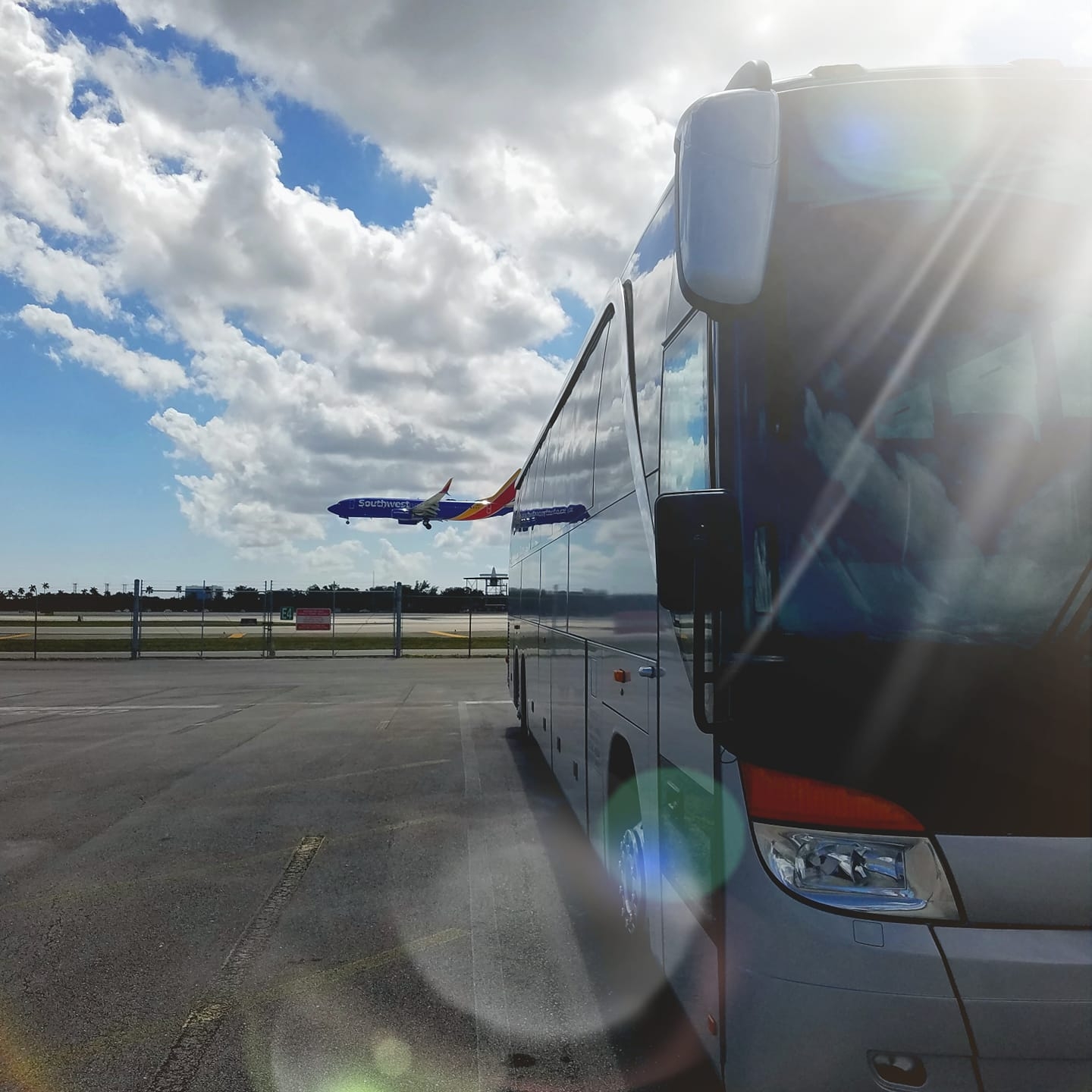
Summer Camp Transportation in Miami: Daily Shuttles + Weekly Field Trips
The logistics of transporting children to and from summer camp activities in a metropolitan area like Miami present unique challenges and considerations for parents and camp administrators alike. This section examines the multifaceted aspects of summer camp transportation, focusing on daily shuttle services and weekly field trip arrangements within the Miami-Dade County region. Understanding these systems is crucial for ensuring the safety, efficiency, and accessibility of summer programming.
Miami, a sprawling urban center with a diverse population, hosts a multitude of summer camps catering to a wide range of interests and age groups. From athletic academies and arts programs to science explorations and general day camps, the sheer volume and variety of offerings necessitate robust transportation solutions. The geographical distribution of these camps, often spread across different municipalities within Miami-Dade, further complicates the daily commute for many families.
Diverse Camp Offerings and Locations
Summer camps in Miami are not concentrated in a single hub. Instead, they are distributed throughout the county, from Coral Gables and South Miami to Aventura and Doral. This dispersion means that a child attending a specialized marine biology camp in Key Biscayne might reside in Kendall, creating a significant daily travel requirement. Similarly, a sports camp located inland might serve families living along the coast. This geographical spread is a primary driver for organized transportation services.
Parental Demographics and Logistics
The demographics of Miami’s parent population also influence transportation demands. Many families have two working parents, making daily drop-off and pick-up within traditional work hours a logistical hurdle. Traffic congestion, a perennial issue in Miami, exacerbates this challenge, turning a seemingly short distance into a lengthy commute during peak hours. For parents without personal vehicles or those reliant on public transportation, camp-provided transport becomes an essential service rather than a convenience.
For those interested in exploring transportation options for summer camps in Miami, a related article on bus rentals can provide valuable insights. This resource discusses various transportation services available for travel agents and tour guides in South Florida, which can be particularly useful for organizing daily shuttles and weekly field trips for summer camp participants. To learn more about these transportation solutions, you can read the article here: Bus Rentals for Travel Agents & Tour Guides in South Florida.
Daily Shuttle Services: The Backbone of Camp Operations
Daily shuttle services form the foundation of summer camp transportation in Miami. These services aim to alleviate the burden on parents, enhance accessibility for children, and maintain a consistent schedule for camp activities. The successful implementation of a daily shuttle system requires meticulous planning and adherence to safety protocols.
Route Planning and Optimization
Effective daily shuttle services rely heavily on optimized route planning. Camp administrators often utilize specialized software to design routes that minimize travel time, reduce fuel consumption, and accommodate the largest number of campers possible. This involves:
- Geographic Clustering: Grouping campers who live in proximate areas to create efficient pick-up and drop-off zones. This is akin to a postal service sorting mail by zip code, ensuring that each delivery route is as compact as possible.
- Traffic Pattern Analysis: Considering Miami’s infamous traffic patterns, especially during morning and afternoon rush hours. Routes are often adjusted to avoid known bottlenecks or utilize alternative roads.
- Stop Location Selection: Identifying safe and accessible pick-up and drop-off points. These are typically public parks, community centers, or designated school zones, chosen for their visibility, parking availability, and absence of significant hazards.
Vehicle Selection and Maintenance
The type of vehicle used for daily shuttles varies depending on camp size and route requirements. Common options include:
- Vans (7-15 passengers): Suitable for smaller camps or specific routes with fewer campers. Vans offer flexibility and can navigate residential streets more easily.
- Mini-buses (15-30 passengers): A popular choice for medium-sized groups, offering a balance between capacity and maneuverability.
- Full-sized School Buses (40+ passengers): Employed by larger camps or those covering extensive routes. These vehicles are designed for durability and passenger safety.
Regardless of type, all vehicles undergo rigorous maintenance checks to ensure mechanical soundness. This includes regular inspections of brakes, tires, lighting systems, and safety belts. Maintenance logs are kept, and vehicles are taken out of service for necessary repairs, similar to how an airline meticulously services its fleet to prevent mechanical failures.
Driver Qualifications and Training
Drivers are the linchpin of a safe and reliable shuttle service. Camps typically employ individuals who possess:
- Commercial Driver’s Licenses (CDL): Required for operating larger vehicles, indicating a higher level of driving proficiency and knowledge of specific regulations.
- Clean Driving Records: A prerequisite to ensure a history of responsible driving.
- Background Checks: Essential for child safety, including criminal record checks and verification of personal references.
- First Aid and CPR Certification: Many camps require their drivers to be certified in basic first aid and CPR, enabling them to respond to emergencies.
- Familiarity with Routes: Drivers are often given ample time to familiarize themselves with assigned routes, including alternate pathways and emergency stops. This pre-run is crucial, much like a pilot’s pre-flight checklist.
Communication and Safety Protocols
Clear communication channels and stringent safety protocols are paramount for daily shuttles.
- Parent Communication: Parents receive detailed schedules, driver contact information, and procedures for reporting delays or absences. Many camps utilize apps for real-time tracking of shuttle locations.
- Onboard Supervision: Depending on the age of the campers and the size of the vehicle, a camp counselor or staff member often accompanies the driver to supervise children, manage behavior, and assist with boarding and disembarking.
- Emergency Procedures: Drivers and supervisors are trained on emergency protocols, including what to do in case of an accident, vehicle breakdown, or medical emergency. This includes knowing how to evacuate the vehicle safely and contact emergency services.
Weekly Field Trips: Extending the Camp Experience

Beyond daily routines, weekly field trips are a highlight for many campers, offering opportunities to explore Miami’s cultural, educational, and recreational attractions. These excursions, while enriching, introduce an additional layer of transportation complexity.
Planning and Destination Selection
Field trip planning is a meticulous process that begins long before the summer season.
- Educational Alignment: Many field trips are chosen to complement camp themes. A science camp might visit the Miami Seaquarium or Frost Science Museum, while an arts camp might explore the Perez Art Museum Miami (PAMM) or Vizcaya Museum & Gardens.
- Age Appropriateness: Destinations are selected based on the age and developmental stage of the campers. What engages a six-year-old might not captivate a teenager, and vice-versa.
- Logistical Feasibility: Camp administrators assess accessibility, parking availability, and potential crowd levels at prospective venues. A busy tourist attraction during peak season might pose logistical challenges.
- Safety Assessments: Prior to any trip, venues are vetted for safety, including emergency exits, crowd control measures, and any potential hazards. This due diligence is similar to a surveyor inspecting a building before construction.
Group Management and Supervision
Managing a large group of children in an unfamiliar public setting requires robust supervision strategies.
- Staff-to-Camper Ratios: Camps adhere to strict staff-to-camper ratios, often exceeding state requirements for field trips. This ensures adequate adult oversight for all children.
- Buddy System: Campers are frequently assigned a “buddy” for accountability. This system encourages children to look out for one another and provides an immediate point of contact for staff if a child is momentarily separated.
- Designated Meeting Points: Clear meeting points are established at each destination for regrouping and headcounts.
- Communication Devices: Staff members are equipped with walkie-talkies or cell phones for immediate communication with each other and camp headquarters.
Transportation Methods for Field Trips
Field trips often necessitate different transportation arrangements than daily shuttles, especially for larger groups or longer distances.
- Charter Buses: The preferred method for many field trips, charter buses offer comfortable seating, air conditioning, and often onboard restrooms. They are a turnkey solution provided by professional transportation companies.
- Public Transportation (Limited Use): In some instances, for shorter distances within specific urban areas, camps might utilize Miami-Dade Transit’s Metromover or Metrorail, especially for older campers. This provides an educational opportunity but requires heightened supervision.
- Parent Volunteers (Restricted Use): While some camps accept parent volunteers for certain activities, using private vehicles for field trips is often restricted due to insurance liabilities and the need for consistent driver vetting.
Regulatory Compliance and Insurance Considerations

Operating any transportation service for minors, particularly in a litigious environment like the United States, demands strict adherence to regulatory compliance and comprehensive insurance coverage. This acts as a protective shield for both the children and the camp itself.
State and Local Regulations
Miami-Dade County and the State of Florida have specific regulations governing childcare facilities and children’s transportation.
- Vehicle Safety Standards: Vehicles must comply with state and federal safety standards, including seatbelt requirements, child restraint systems (where applicable), and regular safety inspections.
- Driver Background Checks: State laws mandate thorough background checks for individuals transporting children, often including fingerprinting and checks against national databases.
- Operating Licenses and Permits: Transportation providers, whether internal or third-party, must hold appropriate operating licenses and permits from relevant authorities.
- Emergency Contact Information: Camps are required to have up-to-date emergency contact information for all campers readily accessible during transport.
Insurance Coverage
Adequate insurance coverage is non-negotiable for summer camp transportation.
- Commercial Auto Insurance: This covers liabilities arising from vehicle accidents, including property damage and bodily injury claims. Policies often have higher coverage limits than personal vehicle insurance.
- General Liability Insurance: Protects the camp from lawsuits related to negligence, including incidents that may occur during transportation or field trips.
- Accident Insurance: Some camps offer additional accident insurance for campers, providing coverage for injuries sustained during camp activities, including transit.
- Waivers and Releases: While not insurance, parents are typically required to sign liability waivers, acknowledging the inherent risks of camp activities and transportation. These documents function as a legal framework, not a shield against negligence, much like a disclaimer on a complex medical procedure.
When planning for summer camp transportation in Miami, it’s essential to consider not only daily shuttles but also the exciting weekly field trips that enhance the camp experience. For those looking for reliable transportation options, a related article on charter bus rentals can provide valuable insights. You can explore more about this topic by visiting charter bus rentals to ensure your campers travel comfortably and safely to their destinations.
Addressing Challenges and Future Trends
| Metric | Details |
|---|---|
| Daily Shuttle Service | Available Monday to Friday, 8 AM – 9 AM pickup, 4 PM – 5 PM drop-off |
| Number of Shuttle Routes | 5 routes covering major neighborhoods in Miami |
| Weekly Field Trips | One field trip every Friday to local attractions and parks |
| Field Trip Destinations | Museum of Science, Zoo Miami, Miami Beach, Everglades National Park |
| Capacity per Shuttle | 30 children per shuttle |
| Safety Measures | Certified drivers, seat belts, GPS tracking, adult chaperones |
| Cost per Week | Includes daily shuttle and weekly field trip transportation |
| Registration Deadline | Two weeks before camp start date |
Despite comprehensive planning, summer camp transportation in Miami faces ongoing challenges and is subject to evolving trends.
Miami Traffic Congestion
Persistent traffic congestion remains the most significant operational hurdle. Daily delays are a reality, requiring flexible scheduling and constant communication. Strategies to mitigate this include:
- Staggered Pick-up/Drop-off Times: Spreading out arrival and departure times to avoid peak traffic.
- Real-time Traffic Monitoring: Utilizing GPS and traffic apps to adjust routes dynamically.
- Communication with Parents: Keeping parents informed about any significant delays, acting as a beacon in a foggy harbor.
Fuel Costs and Environmental Concerns
Fluctuating fuel prices directly impact transportation budgets. Camps are increasingly exploring:
- Fuel-Efficient Vehicles: Investing in newer vehicles with better gas mileage.
- Optimized Routes: Continuously refining routes to minimize unnecessary mileage.
- Electric Vehicle (EV) Integration: While still nascent for large-scale shuttle operations, the long-term potential for EV adoption is being considered for environmental sustainability and cost savings.
Technology Integration
Technology plays an increasingly vital role in improving efficiency and safety.
- GPS Tracking: Parents can monitor the real-time location of their child’s shuttle, providing peace of mind and accurate arrival estimates.
- Digital Wallets/Payment Systems: For field trips requiring entrance fees or purchasing, digital systems can streamline transactions and reduce the need for physical cash, a modern twist on the old school field trip envelope.
- Communication Apps: Dedicated camp apps facilitate instant communication between parents, drivers, and camp staff regarding schedules, delays, and emergencies.
- Digital Waivers: Streamlining the documentation process, ensuring all necessary permissions are collected digitally.
Equity and Access
Ensuring equitable access to summer camp experiences for all children, regardless of socioeconomic status or geographic location, is a continuous endeavor. Transportation often forms a significant barrier.
- Subsidized Transportation: Some camps or community organizations offer subsidized transportation options for low-income families.
- Community Partnerships: Collaborating with community centers or schools to establish centralized pick-up points that are accessible by public transport or within walking distance for more families.
- Inclusive Routing: Designing routes that extend to underserved areas to prevent geographical isolation from camp opportunities. This acts as a bridge, connecting communities to educational and recreational resources.
In conclusion, the provision of safe, efficient, and accessible transportation is fundamental to the success of summer camp programs in Miami. Daily shuttles and weekly field trip logistics are complex operations that demand meticulous planning, strict adherence to safety protocols, and a constant eye on regulatory compliance. As Miami continues to grow and evolve, so too will the methods and technologies employed to connect children with enriching summer experiences.
FAQs
What transportation options are available for summer camp in Miami?
Summer camps in Miami typically offer daily shuttle services for campers, as well as organized transportation for weekly field trips to various locations.
Are daily shuttles included in the summer camp fees?
In many cases, daily shuttle services are included in the camp fees, but it is important to check with the specific camp for details on transportation costs and availability.
How are weekly field trips organized for summer camp participants?
Weekly field trips are usually planned by the camp staff and include transportation via buses or vans to different educational or recreational sites around Miami and nearby areas.
Is transportation provided for both pick-up and drop-off at summer camps?
Yes, most summer camps that offer shuttle services provide both pick-up and drop-off options to ensure campers are safely transported to and from the camp each day.
What safety measures are in place for summer camp transportation in Miami?
Summer camp transportation providers in Miami follow strict safety protocols, including background checks for drivers, vehicle maintenance, seat belts, and adherence to local traffic laws to ensure camper safety.









About Post Author
