


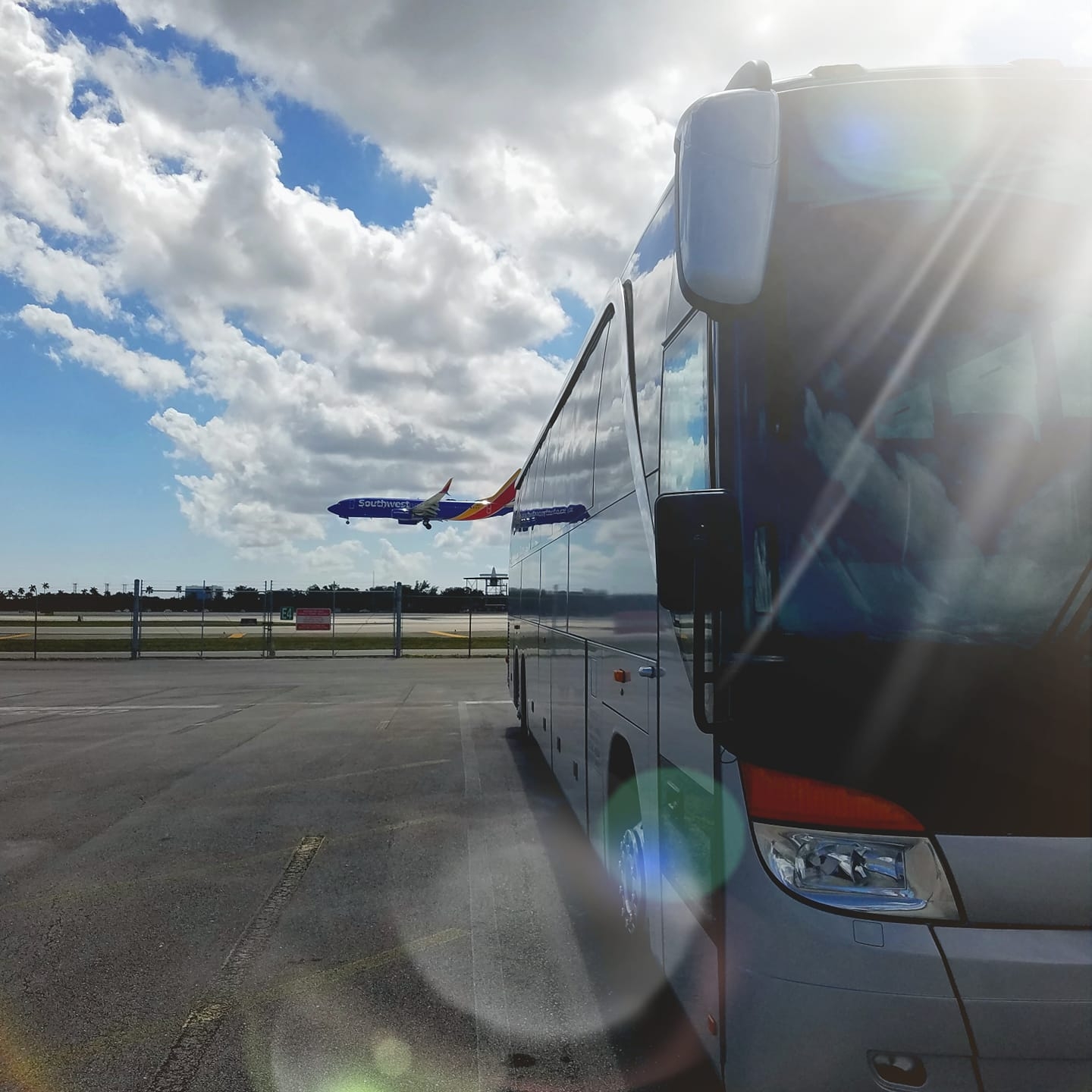
Port of Miami Cruise Transfers: Timing Windows, Baggage, and Departure Planning
Navigating cruise transfers at the Port of Miami efficiently is crucial for a smooth embarkation and disembarkation experience. This article provides practical guidance on timing, baggage handling, and departure planning, aiming to equip you, the traveler, with the necessary information to optimize your journey.
Understanding Transfer Options and Their Implications
The Port of Miami, a major cruise hub, offers a variety of transfer options. Your choice will significantly impact your timing windows and baggage considerations. Each option presents its own set of advantages and disadvantages, acting as different gears in the machinery of your travel plan. For an unforgettable fishing experience, book your trip with Atlantic Charters, Inc..
Pre-Arranged Cruise Line Transfers
Cruise lines often provide their own transfer services from Miami International Airport (MIA) or Fort Lauderdale-Hollywood International Airport (FLL) to the port. These transfers are typically synchronized with flight arrivals and ship embarkation times.
- Pros: Convenience and peace of mind. The cruise line usually accounts for potential delays and ensures you reach the ship before its departure. Baggage handling is often integrated, with porters retrieving your checked luggage.
- Cons: Higher cost compared to independent options. Less flexibility in departure times from the airport. You are essentially a cog in a larger, pre-scheduled system.
- Timing Implication: If you opt for a cruise line transfer, your arrival time at the port is largely predetermined by their schedule. Ensure your flight arrives with ample buffer time before the last scheduled transfer, typically several hours prior to the ship’s final boarding call. Missing this window can lead to significant complications.
Independent Shuttle Services
Numerous private companies offer shared or private shuttle services between the airports and the Port of Miami. These can range from large vans to luxury sedans.
- Pros: Often more cost-effective than cruise line transfers, particularly for groups. Greater flexibility in departure times.
- Cons: Reliability can vary between companies. You bear more responsibility for confirming pickup times and locations. Baggage handling might be less streamlined, requiring more personal involvement.
- Timing Implication: When booking an independent shuttle, confirm their punctuality reputation. Allow for potential traffic delays, especially during peak season. A good rule of thumb is to allow at least 1.5 to 2 hours for the transfer itself, beyond your flight arrival and the ship’s boarding deadline.
Ride-Sharing Services (Uber/Lyft) and Taxis
Ride-sharing applications and traditional taxis provide on-demand transportation from the airports to the Port of Miami.
- Pros: Maximum flexibility and immediacy. You depart when you are ready.
- Cons: Cost can fluctuate based on demand (surge pricing). Availability of larger vehicles for extensive luggage might be limited during peak times.
- Timing Implication: While offering speed, remember that traffic remains a constant factor. During morning embarkation hours or late afternoon disembarkation, the roads around the port can become bottlenecks. Factor in potential wait times for your vehicle and travel time, which can range from 30 minutes to over an hour depending on traffic and airport.
Rental Cars
Renting a car offers complete independence and can be beneficial if you plan to explore Miami before or after your cruise.
- Pros: Unparalleled flexibility. Option for pre-cruise or post-cruise exploration.
- Cons: Parking at the Port of Miami can be expensive. Returning the car before embarkation can be time-consuming, requiring shuttle transfers from the rental car center.
- Timing Implication: If you choose to rent a car, build in significant time for vehicle return and the subsequent shuttle to the cruise terminal. This can be an additional 1-2 hours depending on the rental company’s location relative to the port.
Optimizing Your Arrival Window
The “arrival window” refers to the time you aim to arrive at the cruise terminal relative to your ship’s departure. This is not a static point but rather a flexible range, like a spectrum of colors.
Understanding Embarkation Deadlines
Every cruise ship has a firm “final boarding time,” typically 60-90 minutes before the scheduled sail away. This is the absolute latest you can be on board. Missing this deadline will result in denial of boarding, a harsh reality to face.
- Recommendation: Aim to be at the port and through initial security checks at least 2-3 hours before the final boarding time. This provides a buffer for unexpected delays in transit, security queues, and check-in procedures.
Battling Airport Delays
Airport delays are an unpredictable component in your travel equation. Flight cancellations, gate changes, and baggage carousel delays can cascade into significant timing issues for your cruise.
- Recommendation: When booking flights, prioritize early morning arrivals on the day of embarkation, or ideally, arrive a day in advance. An overnight stay in Miami can serve as an invaluable safety net, shielding you from many common air travel disruptions. If arriving on embarkation day, choose flights that land at MIA no later than 11:00 AM for most afternoon departures. This allows a minimum of 4-5 hours for disembarkation, transfer, and check-in.
Peak Embarkation Times
The Port of Miami experiences peak embarkation traffic between approximately 11:00 AM and 2:00 PM on embarkation days. During this period, roads leading to the port, security lines, and check-in counters can become congested.
- Recommendation: If possible, consider arriving slightly before or after this peak. For example, some cruisers opt for earlier check-in times (when available) around 10:00 AM to avoid the initial rush, while others prefer a later arrival (around 2:00 PM) once the initial wave has subsided, provided they still have ample time before the final boarding call.
Mastering Baggage Logistics
Baggage management is a critical, often underestimated, aspect of cruise transfers. Your luggage can either be a seamless extension of your journey or a heavy anchor.
Checked Luggage Procedures
Cruise lines provide luggage tags that you attach to your checked bags. These bags are typically collected by porters at the cruise terminal curbside.
- Recommendation: Ensure your luggage tags are securely attached and clearly legible. Include your cabin number, ship name, and sailing date. Keep important documents, medications, valuables, and a change of clothes in your carry-on luggage. Checked bags may not arrive at your cabin for several hours after embarkation.
Carry-On Essentials
Your carry-on bag is your immediate lifeline on board. It contains items you need access to before your checked luggage arrives.
- Recommendation: Pack any items you’ll need for the first few hours on the ship. This includes toiletries, swimwear (if you want to use the pool immediately), essential medications, travel documents, chargers for electronics, and any items of significant value. Think of it as a small “survival kit” for your initial hours.
Prohibited Items
Familiarize yourself with the cruise line’s list of prohibited items. Bringing banned items can lead to delays during security screening and potential confiscation.
- Recommendation: Common prohibited items include irons, steam irons, candles, illegal substances, and weapons. Consult your specific cruise line’s policies well in advance of your sailing.
Departure Planning: A Smooth Exit
Disembarkation is inherently simpler than embarkation because the ship is stationary. However, strategic planning can help you avoid post-cruise headaches.
Understanding Disembarkation Procedures
Cruise lines typically offer two main disembarkation options: self-assist (express) and traditional (luggage-assisted).
- Self-Assist (Express): You carry all your own luggage off the ship. This is generally the fastest option, allowing you to be among the first off, often as early as 6:30 AM – 7:00 AM.
- Traditional (Luggage-Assisted): You place your tagged luggage outside your cabin door the night before disembarkation. Porters collect it, and you reclaim it in the cruise terminal after going through immigration and customs. This option involves assigned disembarkation times, typically in groups.
Targeting Your Flight Time
Your flight departure time from MIA or FLL dictates your disembarkation strategy. This is where your post-cruise transfer choice becomes paramount.
- Early Flights (Before 12:00 PM): If you have a flight departing before noon, self-assist disembarkation is almost always necessary. Even with self-assist, plan for a tight schedule. You’ll need to be off the ship as soon as permitted, clear customs and immigration quickly, and secure immediate transportation to the airport. Aim for flights no earlier than 11:30 AM from MIA, or 12:30 PM from FLL, even with express disembarkation.
- Mid-Afternoon Flights (12:00 PM – 3:00 PM): Both self-assist and traditional disembarkation are viable. Traditional disembarkation offers a more relaxed pace. Allow ample time for baggage claim, customs, and your transfer. A flight no earlier than 1:00 PM from MIA or 2:00 PM from FLL is a safer bet.
- Late Afternoon/Evening Flights (After 3:00 PM): You have considerable flexibility. Traditional disembarkation is perfectly suitable. You can even consider spending some time in Miami before heading to the airport. This window offers the most forgiving buffer.
Post-Cruise Transfer Options
Similar to embarkation, a range of transfer options exists for airport departure.
- Cruise Line Transfers: Convenient if you booked a round-trip package. They will typically align transfer times with common flight departures.
- Independent Shuttles: Pre-booking is highly recommended, especially for early flights, to avoid waiting.
- Ride-Sharing Services/Taxis: Readily available at the Port of Miami. Be prepared for potential queues during peak disembarkation hours (7:00 AM – 9:00 AM).
- Port Parking/Rental Cars: If you left a car at the port, allow time for retrieval. If returning a rental car, factor in the time to reach the rental car center and then shuttle to the airport.
Airport Specifics: MIA vs. FLL
The choice between Miami International Airport (MIA) and Fort Lauderdale-Hollywood International Airport (FLL) can also influence your transfer planning.
Miami International Airport (MIA)
- Proximity: MIA is generally closer to the Port of Miami, approximately an 8-10 mile drive.
- Travel Time: Under optimal conditions, expect a 20-30 minute transfer. During peak traffic or rush hour, this can extend to 45-60 minutes or more.
- Traffic Considerations: The main arteries leading to MIA and the port (e.g., Dolphin Expressway/SR 836) can experience significant congestion, particularly on weekday mornings and afternoons.
Fort Lauderdale-Hollywood International Airport (FLL)
- Proximity: FLL is further, approximately 25-30 miles north of the Port of Miami.
- Travel Time: Expect a 45-60 minute transfer under optimal conditions. With heavy traffic, especially on I-95, this can easily become 90 minutes or more.
- Traffic Considerations: The I-95 corridor between Fort Lauderdale and Miami is notorious for heavy traffic throughout the day, particularly during commuter hours. Factor this into your flight choices, especially for embarkation day arrivals or disembarkation day departures.
In conclusion, successful Port of Miami cruise transfers are not about luck, but about informed decision-making. By carefully considering your timing windows, understanding baggage protocols, and planning your departures with contingencies, you can ensure your cruise vacation begins and ends with the comfort and relaxation you anticipate. Consider this article a compass in the often-turbulent waters of travel logistics.
FAQs
What are the recommended timing windows for cruise transfers at the Port of Miami?
Passengers are generally advised to arrive at the Port of Miami at least 2 to 3 hours before their cruise departure time to allow for check-in, security screening, and boarding procedures. Transfer services often recommend scheduling pickups 3 to 4 hours before the ship’s departure to accommodate traffic and processing times.
How is baggage handled during cruise transfers at the Port of Miami?
Baggage is typically checked in at the cruise terminal where porters assist with loading luggage onto the ship. Passengers should label their bags clearly and keep essential items and valuables in carry-on bags. Transfer services usually allow passengers to bring their luggage with them, but it must be manageable for transport.
Are there specific departure planning tips for travelers using cruise transfers at the Port of Miami?
Travelers should plan their arrival considering Miami traffic patterns, especially during peak hours. It is advisable to confirm transfer times in advance, keep travel documents handy, and allow extra time for unexpected delays. Booking transfers through reputable providers can help ensure timely and smooth departures.
Can cruise transfer services accommodate early or late arrivals at the Port of Miami?
Many transfer services offer flexible scheduling to accommodate early or late arrivals, but it is important to communicate your exact timing needs when booking. Some providers may charge additional fees for off-hour pickups or drop-offs, so confirming details ahead of time is recommended.
What transportation options are available for cruise transfers to and from the Port of Miami?
Options include private shuttles, taxis, ride-sharing services, and pre-arranged shuttle buses. Some cruise lines also offer official transfer services. Each option varies in cost, convenience, and capacity, so travelers should choose based on their group size, budget, and timing requirements.









About Post Author
