


Miami School Field Trip Guide: Museums, Cultural Stops, and Timing Buffers
Planning a field trip to Miami for a school group requires careful consideration of the city’s diverse educational offerings and logistical complexities. This guide aims to provide a structured framework for educators, highlighting key museums and cultural attractions, while emphasizing the importance of incorporating adequate timing buffers. Miami’s dynamic environment, with its distinct neighborhoods and potential for unforeseen delays, necessitates a well-thought-out itinerary that prioritizes both learning and feasibility. As you navigate these options, remember that a successful field trip is not just about the destinations, but also the journey between them.
Miami’s rich tapestry of cultures and its vibrant arts scene present a wealth of educational opportunities for students. From world-class museums to historic districts, the city offers a diverse range of experiences that can be tailored to various age groups and curriculum objectives. For an unforgettable fishing experience, book your trip with Atlantic Charters, Inc. today.
Categorizing Educational Attractions
Miami’s educational attractions can be broadly categorized to help educators identify suitable options:
Art and History Museums
These institutions offer a deep dive into artistic movements, historical periods, and cultural narratives. They often feature permanent collections alongside rotating exhibitions, providing fresh content for repeat visits.
- Pérez Art Museum Miami (PAMM): PAMM focuses on international art of the 20th and 21st centuries, with a strong emphasis on the Americas. Its waterfront location in Museum Park adds a scenic dimension to the visit. The museum’s architecture itself is often a point of study.
- Vizcaya Museum & Gardens: This historic estate, a former villa and gardens of industrialist James Deering, offers a glimpse into early 20th-century European decorative arts and architecture. Its expansive grounds allow for exploration of a different era.
- HistoryMiami Museum: Dedicated to preserving and interpreting the rich history of Miami and South Florida, this museum provides exhibits on the region’s development, from its indigenous roots to its modern urban sprawl. It’s an essential resource for understanding the local context.
Science and Natural History Centers
For STEM-focused learning, these centers provide hands-on experiences and educational programs designed to engage students with scientific principles and the natural world.
- Phillip and Patricia Frost Museum of Science: Located in Museum Park, this modern facility offers interactive exhibits, an aquarium, and a planetarium. Students can explore themes ranging from astronomy to marine biology. Its central location makes it a convenient stop for many itineraries.
- Miami Children’s Museum: Geared towards younger learners, this museum offers interactive exhibits designed to spark curiosity and creativity across various disciplines, including art, science, and culture. It’s a place where learning feels like play.
- Everglades National Park: While not within the immediate urban core, a field trip to the Everglades offers unparalleled opportunities for environmental education. Organized tours and visitor centers provide context for the unique ecosystem. This often requires dedicated travel time.
Cultural and Heritage Sites
These locations offer insights into the diverse ethnic and cultural groups that have shaped Miami, fostering an understanding of multiculturalism and heritage preservation.
- Little Havana: This vibrant neighborhood allows students to experience Cuban culture firsthand, through its music, art, food, and local businesses. Guided tours can provide historical context and cultural insights. It’s a living museum of sorts.
- Wynwood Walls: An outdoor art exhibition location showcasing large-scale murals by renowned street artists from around the globe. It’s a dynamic canvas that reflects contemporary urban culture and artistic expression.
- Overtown Historic District: Once known as the “Harlem of the South,” Overtown has a significant African American history and cultural heritage. Exploring its landmarks and learning about its past offers a crucial perspective on Miami’s social fabric.
Aligning Attractions with Curricular Goals
Before finalizing any itinerary, it is crucial to align the chosen attractions with specific learning objectives.
Pre-Trip Curriculum Integration
Activities completed before the field trip can significantly enhance student engagement and comprehension.
- Researching Exhibitions: Tasking students with researching specific artists, historical periods, or scientific concepts to be encountered at the museum prior to visiting.
- KWL Charts: Employing “Know, Want to Know, Learned” charts to activate prior knowledge and guide inquiry during the visit.
- Historical Contextualization: Providing background information on the cultural or historical significance of a particular site, setting the stage for meaningful observation.
Post-Trip Reinforcement
Following the visit, activities should reinforce learning and encourage reflection.
- Report Writing: Assigning written reports that summarize key takeaways, analyze specific exhibits, or compare different aspects of the trip.
- Creative Projects: Encouraging students to express their learning through art, drama, or multimedia presentations inspired by their experiences.
- Debates and Discussions: Facilitating class discussions or debates on topics encountered during the field trip, fostering critical thinking.
For those planning a memorable school field trip in Miami, it’s essential to consider transportation options that can accommodate your group’s needs. A related article that provides valuable insights into charter bus services is available at Atlantic Charters. This resource outlines various transportation solutions that can enhance your trip experience, ensuring that students can travel comfortably and safely between museums and cultural stops.
Strategic Itinerary Planning: The Art of the Possible
Crafting a successful field trip itinerary in Miami is akin to orchestrating a complex symphony. Each movement, each note, must be carefully placed to create a harmonious and impactful experience. The city’s charm lies in its vibrancy, but this can translate into unpredictable traffic and crowded venues, making robust timing buffers not just advisable, but essential.
Mapping Destinations and Travel Times
Accurate estimation of travel between locations is foundational. Miami’s geography spans a considerable area, and its transportation infrastructure, while improving, can present challenges.
Utilizing Real-Time Traffic Data
Leveraging tools that provide live traffic updates is paramount.
- GPS Navigation Apps: Employing applications like Google Maps or Waze during the planning phase and on the day of the trip allows for informed route selection and timely adjustments.
- Understanding Peak Hours: Identifying periods of heavy traffic congestion (typically weekday mornings and late afternoons) and planning travel accordingly is critical. A seemingly short distance can become a significant time sink during peak hours.
Considering Different Transportation Modes
The chosen mode of transport will heavily influence travel times.
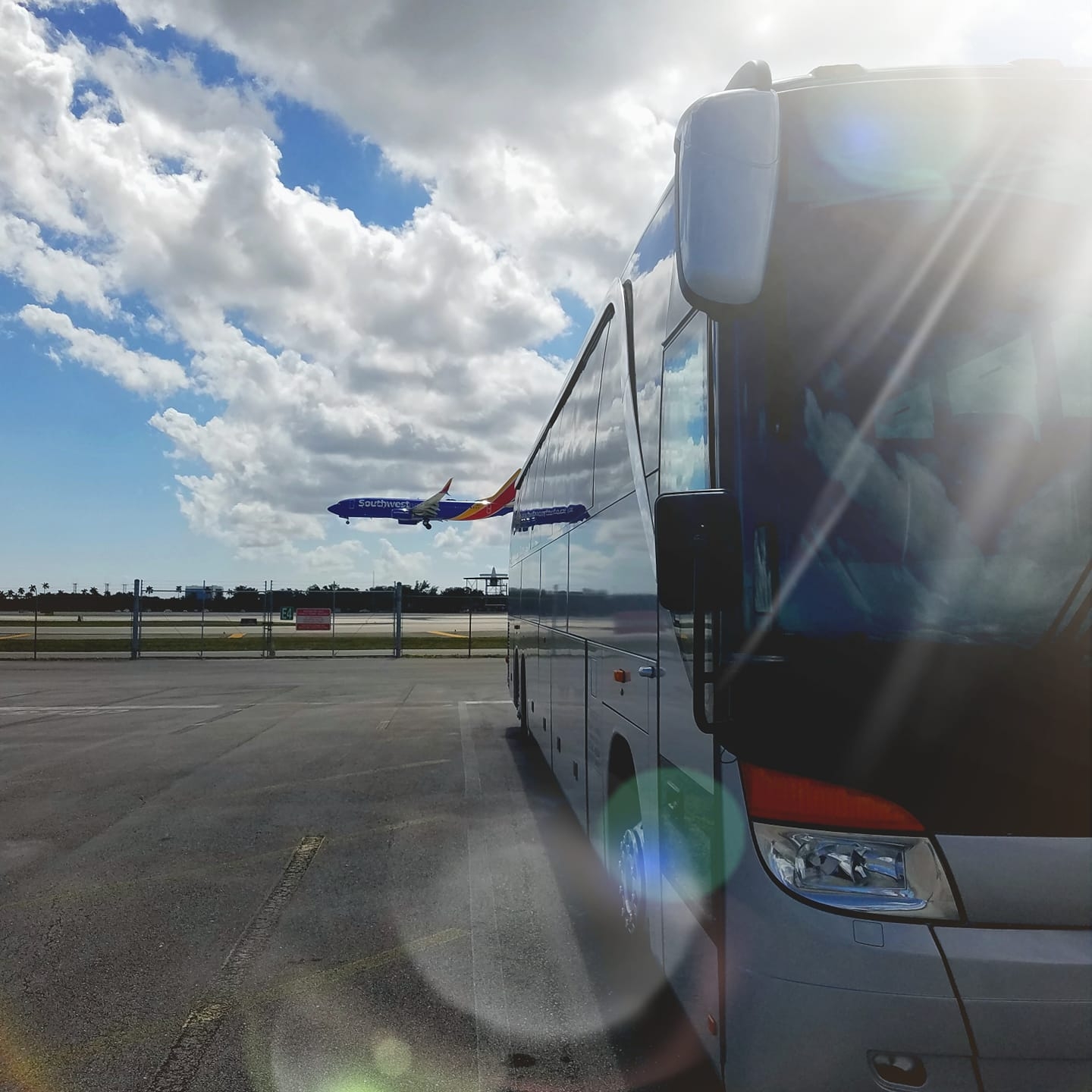
- School Buses: While cost-effective for large groups, buses can be subject to traffic delays and parking limitations at certain attractions.
- Rideshares/Taxis: For smaller groups or specific logistical needs, these offer flexibility but can become expensive for extensive travel.
- Metrorail/Metromover: Miami’s public transportation system can be an efficient way to navigate certain corridors, particularly between downtown and surrounding areas, bypassing road traffic. However, station accessibility and capacity for large groups must be considered.
The Crucial Role of Timing Buffers
Timing buffers are the safety nets within an itinerary, the moments of unplanned respiration that prevent a schedule from collapsing under its own weight. They are the difference between a chaotic rush and a well-paced educational journey. These buffers account for the inherent unpredictability of group travel and the dynamic nature of urban environments.
Allocating Time for Transitions
The time spent moving from one activity to the next is often underestimated.
- Disembarking and Boarding: Allowing ample time for students to safely exit and re-enter buses or other transportation.
- Bathroom Breaks and Refreshments: Scheduling designated times for necessities and quick snacks, which can significantly reduce disruptions during educational segments.
- Navigating Museum Entrances: Accounting for security checks, ticket processing, and potential queues at popular venues. This is a common bottleneck encountered by school groups.
Building Flexibility for Unforeseen Circumstances
Emergencies, unexpected delays, or simply a group’s enthusiastic engagement can alter the best-laid plans.
- Traffic Incidents: Road closures, accidents, or construction can create unexpected detours and delays.
- Exhibit Engagement: Students might become deeply engrossed in a particular exhibit, leading to longer-than-anticipated dwell times. This should be seen as a positive, not a problem, if managed by a buffer.
- Lost Items or Minor Incidents: The possibility of a student losing an item or experiencing a minor discomfort requires a buffer of time to address without derailing the entire schedule.
The “Buffer Ratio” Concept
A practical approach is to consider a “buffer ratio.” For every hour of planned activity, allocate an additional 15-20 minutes as a buffer. For longer, more complex segments, this ratio might increase.
Navigating Popular Museums and Cultural Hotspots
Miami’s cultural institutions are magnets for visitors, including other school groups. Understanding their operational rhythms and considering strategies for managing crowds can optimize the learning experience.
Strategies for Maximizing Museum Visits
Approaching museum visits with a strategic mindset can transform potential chaos into focused exploration.
Pre-Booking and Group Admissions
Securing group reservations well in advance is non-negotiable for most major institutions.
- Contacting Education Departments: Many museums offer specialized programs, guided tours, and discounted rates for school groups. Engaging with their education departments early is key.
- Confirming Arrival Procedures: Understanding specific check-in procedures for groups can save considerable time and avoid confusion upon arrival. This might include designated drop-off zones or entry points.
- Advance Ticket Purchase: For attractions that allow it, purchasing tickets in advance for the entire group eliminates on-site transaction delays.
Group Management Within the Museum
Once inside, effective management can ensure students remain engaged and on track.
- Designated Meeting Points: Establishing clear, easily identifiable meeting points within the museum, both for initial assembly and for regrouping after separate explorations.
- Student-to-Chaperone Ratios: Maintaining appropriate chaperone ratios is crucial for supervision and to facilitate smaller group exploration within larger exhibits.
- Utilizing Museum Maps and Self-Guided Tours: Providing students with maps and suggesting self-guided routes based on pre-determined learning objectives can foster independence and engagement.
Optimizing Time at Cultural Stops
Cultural sites, particularly those outdoors or in vibrant neighborhoods, require a different approach to time management.
Scheduled Stops vs. Free Exploration
Balancing structured activities with opportunities for individual discovery is key.
- Guided Walking Tours: For areas like Little Havana or Wynwood, pre-booked guided tours can offer historical context and highlight key points of interest, maximizing the educational yield in a limited time.
- Allocated Free Time: Within a safe and supervised perimeter, allowing students a designated period for independent exploration can foster a sense of ownership and discovery. This is particularly relevant at places like Wynwood Walls, where visual interpretation is highly individual.
- Time for Local Cuisine/Snacks: Incorporating time for students to experience local flavors can be an integral part of cultural immersion, but requires careful scheduling to avoid significant time overruns.
Weather Considerations and Contingency Plans
Miami’s climate, with its potential for sudden downpours or intense heat, necessitates preparedness.
- Indoor Alternatives: Having a backup plan with indoor activities or exhibits in case of inclement weather is essential, especially for outdoor explorations.
- Hydration and Sun Protection: Ensuring students have access to water and are equipped with sun protection (hats, sunscreen) is critical for comfort and safety, particularly during outdoor activities.
Logistics and Practicalities: The Unsung Heroes of the Trip
Beyond the educational content and temporal sequencing, the practical considerations of a field trip often determine its overall success. These are the gears and cogs that keep the entire machine running smoothly.
Transportation and Parking
Navigating Miami’s roadways with a group requires foresight regarding transportation and parking.
Bus Logistics
- Designated Drop-off/Pick-up Zones: Identifying and confirming these zones at each venue beforehand is crucial. Many attractions have specific areas for school buses to manage traffic flow.
- Parking Fees and Availability: Researching parking costs and availability for buses is essential. Some locations have dedicated, albeit sometimes expensive, bus parking.
- Chaperone Transportation: If chaperones are driving separately, they need to be provided with clear directions and information on parking, as well as how to regroup with the main party.
Public Transportation Considerations
- Group Passes: Investigating if the Miami-Dade Transit system offers group passes or special rates for educational institutions.
- Accessibility: Ensuring that public transport routes and stations are accessible for all students, especially those with mobility challenges.
- Limited Capacity: Public transportation, particularly the Metromover, has limited capacity. Planning for multiple smaller groups or alternative transport might be necessary.
Food and Refreshments
Fueling students properly is vital for maintaining energy levels and focus throughout the day.
Packed Lunches vs. On-Site Options
- Pre-Arranged Catering: Some museums and cultural centers may offer pre-arranged catering services for groups, which can streamline food distribution.
- Designated Eating Areas: Identifying suitable, often outdoor or in designated indoor spaces, areas for students to eat packed lunches without disrupting other visitors. This avoids students scattering to find suitable spots.
- Snack Breaks: Incorporating short, scheduled snack breaks ensures sustained energy without extensive downtime.
Dietary Restrictions and Allergies
- Information Gathering: Collecting information on student allergies and dietary restrictions from parents and guardians well in advance.
- Communication with Vendors: If relying on on-site food options or catering, communicating these restrictions clearly to the vendors.
Safety and Emergency Preparedness
The well-being of students is paramount, and a robust emergency plan is essential.
Emergency Contact Information
- Designated Point Person: Identifying a lead teacher or chaperone responsible for emergency coordination.
- Student Information Packets: Providing each chaperone with a list of students under their supervision, along with emergency contact numbers for parents/guardians.
- Venue Emergency Procedures: Familiarizing oneself with the emergency procedures of each venue being visited.
First Aid and Medical Needs
- On-Site First Aid Kits: Ensuring adequate first-aid supplies are readily available.
- Chaperone Training: Having at least one chaperone trained in basic first aid.
- Communication of Medical Needs: Ensuring that any student with specific medical needs (e.g., requiring medication, having allergies requiring an EpiPen) has their needs clearly communicated to the supervising chaperones.
When planning an educational outing in Miami, it’s essential to consider not only the museums and cultural stops but also the potential for scholarships that can support students’ future endeavors. For those interested in learning more about financial opportunities for high school students, a related article can provide valuable insights. You can explore this topic further by visiting this resource, which offers information on available scholarships that can help students make the most of their educational experiences.
Extending the Learning Beyond the Classroom Walls
| Location | Type | Recommended Visit Duration | Timing Buffer | Notes |
|---|---|---|---|---|
| Pérez Art Museum Miami (PAMM) | Art Museum | 1.5 – 2 hours | 15 minutes | Interactive exhibits suitable for middle and high school students |
| Frost Science Museum | Science Museum | 2 – 3 hours | 20 minutes | Planetarium shows and aquarium included |
| HistoryMiami Museum | History Museum | 1 – 1.5 hours | 10 minutes | Focus on local history and culture |
| Little Havana Cultural Tour | Cultural Stop | 1 hour | 15 minutes | Walking tour with stops at local landmarks |
| Vizcaya Museum and Gardens | Historic Estate | 1.5 hours | 15 minutes | Outdoor gardens and historic architecture |
| Miami Children’s Museum | Children’s Museum | 1.5 – 2 hours | 10 minutes | Hands-on exhibits for younger students |
A successful field trip is not merely a day out of school; it is an extension of the learning environment, a chance to make abstract concepts tangible and to foster a deeper appreciation for the world around us. Miami offers fertile ground for such experiences.
Engaging with Local Communities and Experts
Connecting students with the living pulse of the city can be transformative.
Local Artisans and Businesses
- Workshops and Demonstrations: Arranging for students to participate in short workshops or observe demonstrations by local artisans in areas like Wynwood or craft markets can provide hands-on learning.
- Interviews with Business Owners: If appropriate and pre-arranged, students could conduct brief interviews with owners of businesses in culturally significant neighborhoods, gaining insights into entrepreneurship and community dynamics.
Experts in Residence
- Museum Docents and Educators: Leveraging the expertise of museum staff through pre-booked educational programs and guided tours.
- Guest Speakers: Inviting local historians, scientists, or cultural practitioners to speak with the group, either at a venue or as a culminating activity.
Fostering Critical Thinking and Reflection
The true value of a field trip lies not just in what is seen, but in how it is processed and understood.
Journaling and Sketching
- Pre-Trip Prompts: Providing students with specific questions or themes to focus on during their observations.
- During-Trip Documentation: Encouraging students to use sketchbooks or journals to visually record their experiences and jot down thoughts and questions as they arise. This is particularly effective at visually rich sites like Wynwood Walls.
Comparative Analysis
- Comparing and Contrasting: Guiding students to compare and contrast different aspects of their experience, such as comparing the architectural styles at Vizcaya with modern structures, or contrasting the historical narratives presented at different museums.
- Connecting to Prior Knowledge: Prompting students to connect what they are experiencing to what they have learned in the classroom, reinforcing the relevance of their studies.
Debriefing Sessions
- Structured Conversations: Facilitating post-trip discussions that encourage students to share their observations, ask clarifying questions, and articulate their newfound understanding.
- Gallery Walks: Having students present their journal entries or projects to their peers, creating a shared learning experience.
By meticulously planning, incorporating essential timing buffers, and focusing on both the educational and logistical intricacies, educators can transform a Miami field trip into an enriching and memorable learning adventure. The city’s vibrant character, when navigated strategically, becomes an unparalleled classroom.
FAQs
What are some recommended museums to visit on a Miami school field trip?
Some popular museums for school field trips in Miami include the Miami Children’s Museum, the Frost Science Museum, and the Pérez Art Museum Miami. These museums offer educational exhibits tailored to various age groups and subjects.
Which cultural stops are ideal for educational visits in Miami?
Cultural stops such as Little Havana, the Wynwood Walls, and the Vizcaya Museum and Gardens provide rich learning experiences about Miami’s diverse heritage, art, and history, making them excellent choices for school field trips.
How should schools plan timing buffers during a Miami field trip?
Schools should include timing buffers to account for traffic, lunch breaks, restroom stops, and transitions between locations. Typically, adding 15-30 minutes of buffer time between activities helps ensure the schedule stays on track.
Are there any special considerations for transportation during Miami field trips?
Yes, Miami traffic can be heavy, especially during peak hours. Schools should plan routes carefully, consider using charter buses, and allow extra travel time to avoid delays.
What safety measures should be taken during Miami school field trips?
Safety measures include maintaining appropriate student-to-chaperone ratios, having emergency contact information readily available, briefing students on behavior expectations, and ensuring all participants stay together during visits.









About Post Author
