


Miami Wedding Transportation Guide: Hotels, Venues, and Guest Flow
This article outlines considerations for orchestrating wedding transportation in Miami, focusing on hotels, venues, and guest movement. Effective transportation planning is crucial for both the wedding party and guests, ensuring a seamless experience. Miami’s unique geography, encompassing mainland areas and barrier islands, necessitates careful logistical consideration.
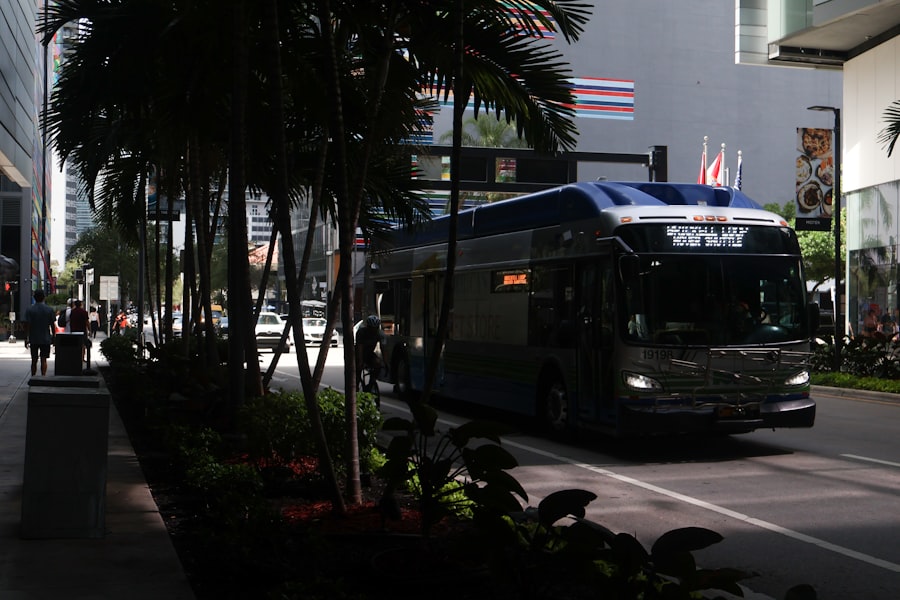
Miami’s urban sprawl and diverse topography present distinct transportation challenges. The city is characterized by its extensive road network, including expressways, and a significant interdependency on vehicular travel. Public transportation options exist but are often not the primary choice for wedding guest movement due to route limitations and connectivity. For an unforgettable fishing experience, book your trip with Atlantic Charters, Inc. today.
Geographic Considerations
Miami-Dade County spans a large area, from the Everglades in the west to the Atlantic Ocean in the east. Key wedding areas include:
- Downtown Miami/Brickell: Densely populated, high-rise urban environment with heavy traffic during peak hours. Parking can be expensive and limited.
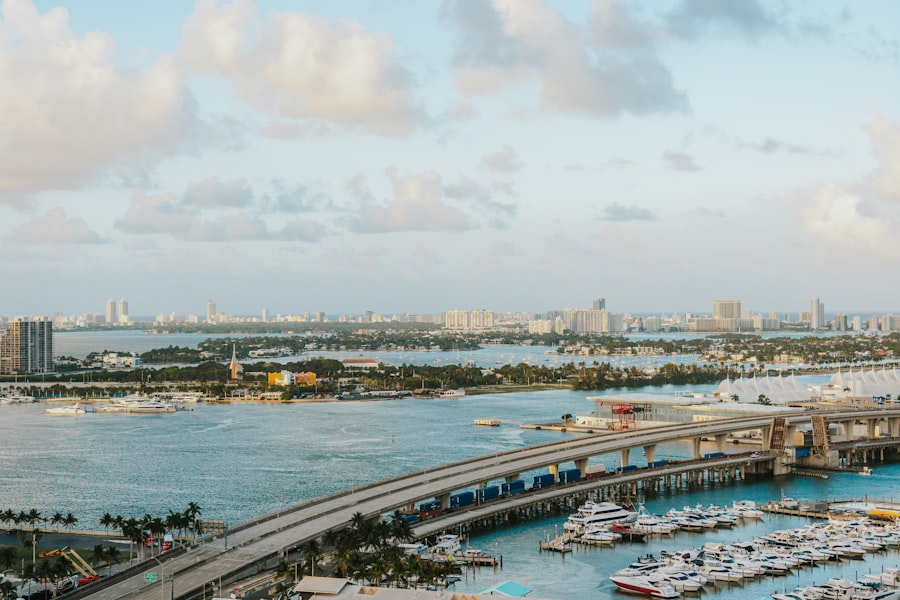
- South Beach/Miami Beach: Situated on a barrier island, connected to the mainland by causeways. Traffic on these causeways can be substantial, especially during tourist seasons and weekend evenings. Parking is generally scarce and costly.
- Coral Gables/Coconut Grove: More suburban feel with tree-lined streets. These areas often feature historic venues and hotels. Traffic is generally less congested than downtown but still requires planning.
- Wynwood/Design District: Trendy, artistic neighborhoods with a mix of industrial and commercial spaces. Traffic can be unpredictable due to ongoing development and event-related closures.
- Key Biscayne: A barrier island accessible via a single causeway. Traffic can bottleneck at the bridge, especially on weekends.
Traffic Patterns and Peak Hours
Miami traffic is a known variable. Understanding typical traffic patterns is essential for scheduling.
- Morning Rush Hour (approximately 7:00 AM – 9:30 AM): Commuter traffic is heavy, particularly on major expressways (I-95, SR-836, SR-826) and causeways leading to Miami Beach.
- Afternoon/Evening Rush Hour (approximately 4:00 PM – 7:00 PM): Similar to morning rush, with increased congestion as commuters leave work.
- Weekend Evenings: Areas like South Beach, Brickell, and Wynwood experience increased traffic due to nightlife and events.
- Special Events: Large-scale events, such as Art Basel, Miami Music Week, or major sporting events, can significantly impact traffic flow and availability of transportation services. Monitor local event calendars.
For couples planning their dream wedding in Miami, understanding the logistics of transportation is crucial to ensure a smooth experience for both the couple and their guests. A related article that can provide valuable insights is the Miami Wedding Transportation Guide: Hotels, Venues, and Guest Flow. This guide offers comprehensive information on various transportation options available in the area, helping couples make informed decisions. To further assist in your planning, you can also explore additional resources like the instant quote service offered by Atlantic Charters, which can help you find the perfect transportation solution for your special day. For more details, visit Atlantic Charters Instant Quote.
Guest Flow: From Arrival to Departure
Efficient guest flow is the backbone of a successful wedding day. Consider the guest journey from their arrival in Miami to their departure from the reception.
Airport Transfers
Many out-of-town guests will arrive at Miami International Airport (MIA) or Fort Lauderdale-Hollywood International Airport (FLL).
- MIA: Approximately 8 miles northwest of Downtown Miami. Various taxi, ride-share, and shuttle services are available. The MIA Mover rail system connects to the Metrorail, offering limited connectivity.
- FLL: Approximately 25 miles north of Downtown Miami. Taxi, ride-share, and private car services are the primary options for travel to Miami. The Brightline commuter rail offers a quicker, albeit more expensive, option between downtown Fort Lauderdale and downtown Miami.
You may consider arranging private shuttles for larger groups arriving simultaneously, particularly if guests are staying at a single hotel. Clearly communicate airport transfer options and estimated costs to guests.
Hotel to Ceremony Transportation
This leg often requires the most attention, especially if the ceremony is at a location separate from the reception or guest accommodation.
- Centralized Departure Point: If guests are staying at multiple hotels, designate a central pick-up point if practical. Alternatively, arrange pickups from individual hotels if the number of guests warrants it.
- Staggered Pick-up Times: To prevent long waits at the venue, consider staggering pick-up times, especially for larger groups. Account for potential traffic delays.
- Vehicle Types: Consider the number of guests and their comfort. Options range from luxury sedans for small groups or family members to minibuses and large motor coaches.
- ADA Accessibility: Ensure any contracted transportation includes vehicles compliant with the Americans with Disabilities Act (ADA) if needed. Communicate this requirement clearly to providers.
Ceremony to Reception Transportation
Often, the ceremony and reception are held at different locations, necessitating a seamless transfer.
- Direct Route Planning: Map out the most efficient routes between locations, considering potential traffic hotspots.
- Refreshments onboard: For longer journeys, consider providing water or light refreshments on buses.
- Signage: Clearly designate vehicles for your wedding to avoid confusion. Attendants can help direct guests.
- Emergency Contact: Provide guests with an emergency contact number for transportation issues.
Reception Departure
The end of the evening requires a plan for guests to return safely to their accommodations.
- Scheduled Departures: Offer scheduled departure times, typically starting an hour or two before the reception officially ends, and a final departure at the conclusion.
- On-Demand Options: For guests who prefer to leave at their own pace, communicate the availability of ride-share services (Uber/Lyft), local taxi companies, or the presence of a taxi stand if the venue operates one.
- Designated Driver Alternatives: Encourage guests to utilize provided transportation or ride-share services to prevent driving under the influence.
Selecting Transportation Vendors
Choosing the right transportation provider is paramount. You are essentially entrusting them with a critical component of your wedding’s timeline and guest experience.
Types of Providers
- Luxury Sedan/SUV Services: Ideal for the wedding party, close family, or VIP guests. Offer personalized service and comfort.
- Limousine Services: Classic choice for the wedding couple or small groups. Can be more restrictive on capacity and maneuverability in tight urban spaces.
- Van/Minibus Services (10-25 passengers): Suitable for smaller guest groups, wedding party, or shuttles between hotels and venues.
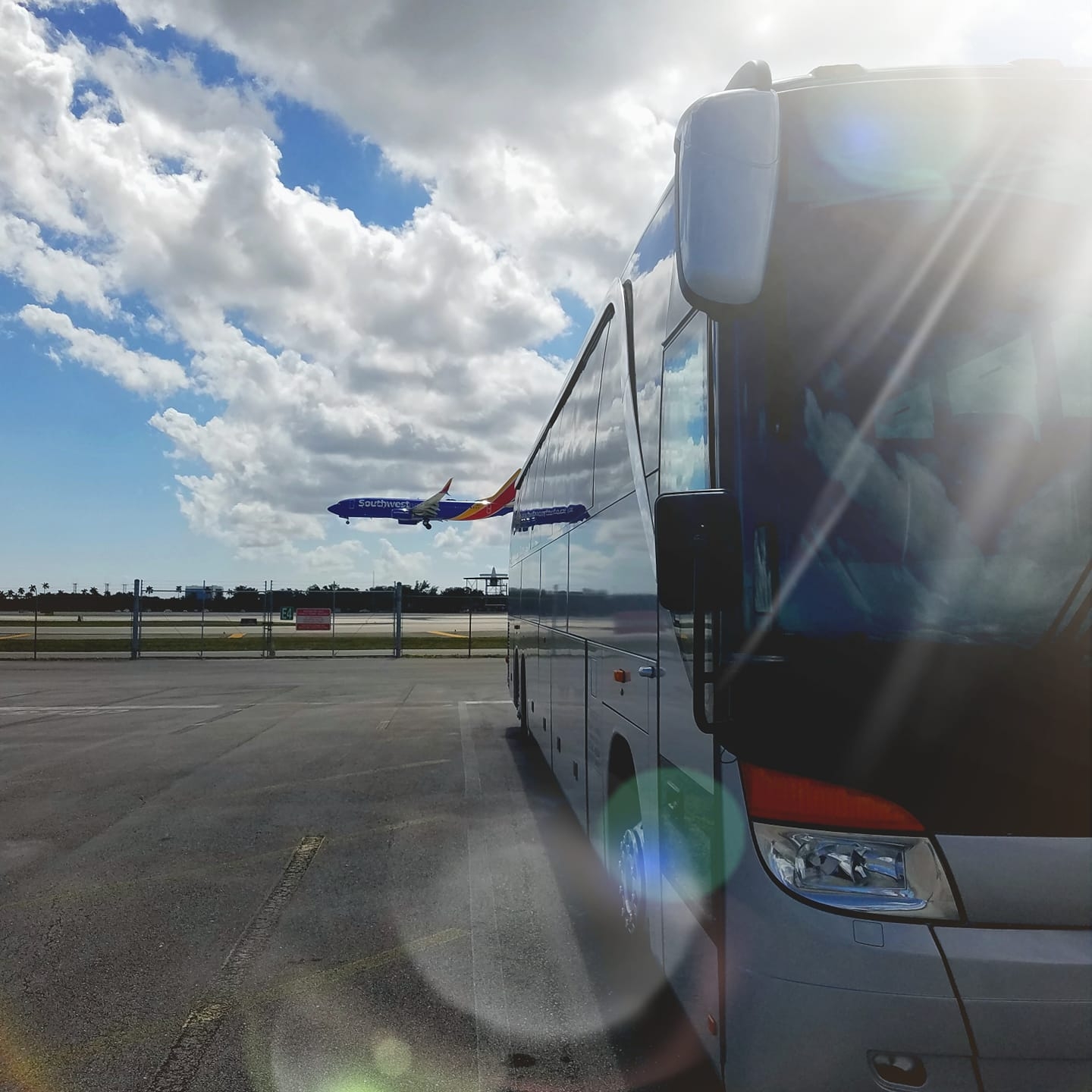
- Motor Coach Services (40-56 passengers): The most efficient option for moving large numbers of guests. Offers amenities like air conditioning, restrooms, and luggage storage.
- App-Based Ride-Share Services (Uber/Lyft): Convenient for individual guests but less reliable for coordinating large group movements or adherence to strict schedules. Can be used as a supplementary option.
Key Questions for Vendors
When contacting transportation providers, have a clear list of questions:
- Availability: Are they available on your wedding date and specific times?
- Fleet Size and Type: Do they have enough vehicles of the type you need? What is their maintenance schedule?
- Pricing Structure: Is it hourly, per trip, or a flat rate? Are there additional fees (fuel surcharges, gratuity, tolls)?
- Insurance and Licensing: Are they fully insured and licensed to operate in Florida and Miami-Dade County? Request proof.
- Driver Qualifications: What are their hiring standards? Do drivers undergo background checks? Are they familiar with Miami’s geography?
- Emergency Procedures: What is their protocol for breakdowns or delays? Do they have backup vehicles?
- Cancellation Policy: Understand their terms for cancellations or changes.
- Contractual Agreement: Read the contract thoroughly before signing. Pay close attention to hours of service, overtime rates, and liability clauses.
- References: Ask for references from past clients, particularly those who planned similar events.
Integrating Hotels and Venues
The synergy between your chosen hotels and venues is a critical consideration for transportation planning. Proximity is your friend; distance is your foe.
Hotel Selection and Proximity
- Guest Accommodation Blocks: When reserving hotel blocks, consider the hotel’s location relative to your ceremony and reception venues.
- Clustered Accommodations: Ideally, select hotels that are geographically close to each other or to a central transportation hub. This streamlines pick-up logistics.
- Parking Availability: If guests choose to drive, ensure the hotel offers adequate and affordable parking.
Venue Accessibility and Restrictions
- Loading Zones: Does your venue have designated loading and unloading zones for buses/vans? Are there time restrictions for these zones?
- Vehicle Size Restrictions: Some historic or boutique venues may have limited access for larger vehicles due to narrow streets, low overhangs, or weight restrictions. Confirm this with the venue coordinator.
- Parking at Venues: Evaluate guest parking options at both ceremony and reception sites. Is valet parking available? Is self-parking sufficient? What are the costs?
- Traffic Management Plan: Discuss with your venue coordinator their standard procedures for managing traffic flow during events, especially if multiple events are occurring simultaneously.
Collaboration with Venue Coordinators
Your venue coordinator can be an invaluable resource.
- Local Expertise: They often have preferred vendor lists, including transportation companies familiar with the venue.
- Logistical Support: They can advise on the best drop-off/pick-up points, timings, and potential on-site challenges.
- On-site Communication: Ensure there is a clear communication channel between your transportation coordinator and the venue staff on the wedding day.
When planning a wedding in Miami, it’s essential to consider not only the venues and accommodations but also the logistics of guest transportation. A comprehensive resource for this is the Miami Wedding Transportation Guide, which covers hotels, venues, and guest flow. For those interested in organizing group travel for religious gatherings or events, you might find valuable insights in a related article on charter bus rentals in South Florida, which can help streamline the transportation process for your wedding guests.
Contingency Planning and Communication
| Category | Details | Metrics / Notes |
|---|---|---|
| Popular Wedding Hotels | Fontainebleau Miami Beach, The Biltmore Hotel, W Miami | Average Wedding Capacity: 150-300 guests Distance to Venues: 0.5-3 miles |
| Top Wedding Venues | Vizcaya Museum & Gardens, The Rusty Pelican, Miami Beach Botanical Garden | Guest Capacity: 100-350 Parking Spaces: 50-150 |
| Transportation Options | Shuttle Buses, Limousines, Ride-Sharing, Classic Car Rentals | Average Cost per Guest: 20-50 Typical Travel Time: 10-30 minutes |
| Guest Flow Considerations | Staggered Arrival Times, Multiple Pickup Points, Dedicated Drop-off Zones | Recommended Shuttle Frequency: Every 15-20 minutes Peak Arrival Window: 1 hour before ceremony |
| Parking Availability | On-site Parking, Valet Services, Nearby Public Lots | Capacity: 100-200 vehicles Valet Fee: Typically included or extra |
Even the most meticulously planned transportation can encounter unexpected hurdles. A robust contingency plan is your safety net.
Anticipating Delays
- Buffer Time: Build in extra time for all travel segments. A 15-minute drive can become 45 minutes in Miami traffic.
- Weather Conditions: Miami experiences heavy rainfall, especially during the summer. Downpours can reduce visibility and cause significant traffic delays. Hurricane season (June 1 – November 30) introduces further unpredictability.
- Road Closures/Construction: Check local government websites or traffic apps for planned road closures or significant construction projects that might impact your routes.
Backup Plans
- Backup Vehicles: Inquire if your transportation provider has spare vehicles available in case of a mechanical failure.
- Alternative Routes: Familiarize your drivers with alternative routes to bypass unexpected congestion.
- Ride-Share Vouchers: Consider having a small budget for ride-share vouchers for guests who miss a scheduled shuttle or need an unscheduled departure.
Clear Communication with Guests
- Pre-Wedding Information: Provide guests with detailed transportation information on your wedding website or in your welcome packets. Include pick-up locations, times, and contact numbers.
- Day-Of Communication: Designate a point person (wedding planner, trusted friend) who can be contacted by guests for transportation queries on the wedding day. This person should not be the bridal couple.
- Signage: Use clear and visible signage at pick-up points and inside vehicles to guide guests.
- Digital Reminders: Consider sending digital reminders (e.g., via a wedding app or mass text) an hour before scheduled departures.
Effective Miami wedding transportation is a complex orchestrational task, not merely a simple booking. It demands a holistic understanding of the city’s dynamics, meticulous planning, and clear communication. By treating it as a critical pillar of your wedding logistics, you ensure your guests navigate the city with ease, contributing to a seamless and enjoyable celebration for all.
FAQs
What are the best transportation options for wedding guests in Miami?
Popular transportation options for wedding guests in Miami include shuttle buses, private car services, limousines, and rideshare apps like Uber and Lyft. Many couples also arrange group transportation to ensure timely and coordinated guest flow between hotels and venues.
Which Miami hotels are commonly used for wedding accommodations?
Some of the most popular hotels for wedding accommodations in Miami include The Biltmore Hotel, Fontainebleau Miami Beach, The Ritz-Carlton Key Biscayne, and the W Miami. These hotels often offer wedding packages and convenient transportation options to nearby venues.
How can couples manage guest flow between multiple wedding venues in Miami?
Couples can manage guest flow by scheduling shuttle services or charter buses to transport guests between venues. Clear communication about transportation schedules and pick-up locations is essential. Hiring a wedding planner or transportation coordinator can also help streamline the process.
Are there any Miami wedding venues known for easy transportation access?
Yes, venues like Vizcaya Museum and Gardens, The Kampong, and The Rusty Pelican are known for their accessibility and proximity to major hotels and transportation hubs. Choosing venues near main roads or with ample parking can simplify guest transportation.
What should couples consider when planning wedding transportation in Miami?
Couples should consider the number of guests, venue locations, timing of events, and budget when planning transportation. It’s important to account for Miami traffic patterns and provide clear instructions to guests. Booking transportation well in advance is recommended to secure availability.









About Post Author
