


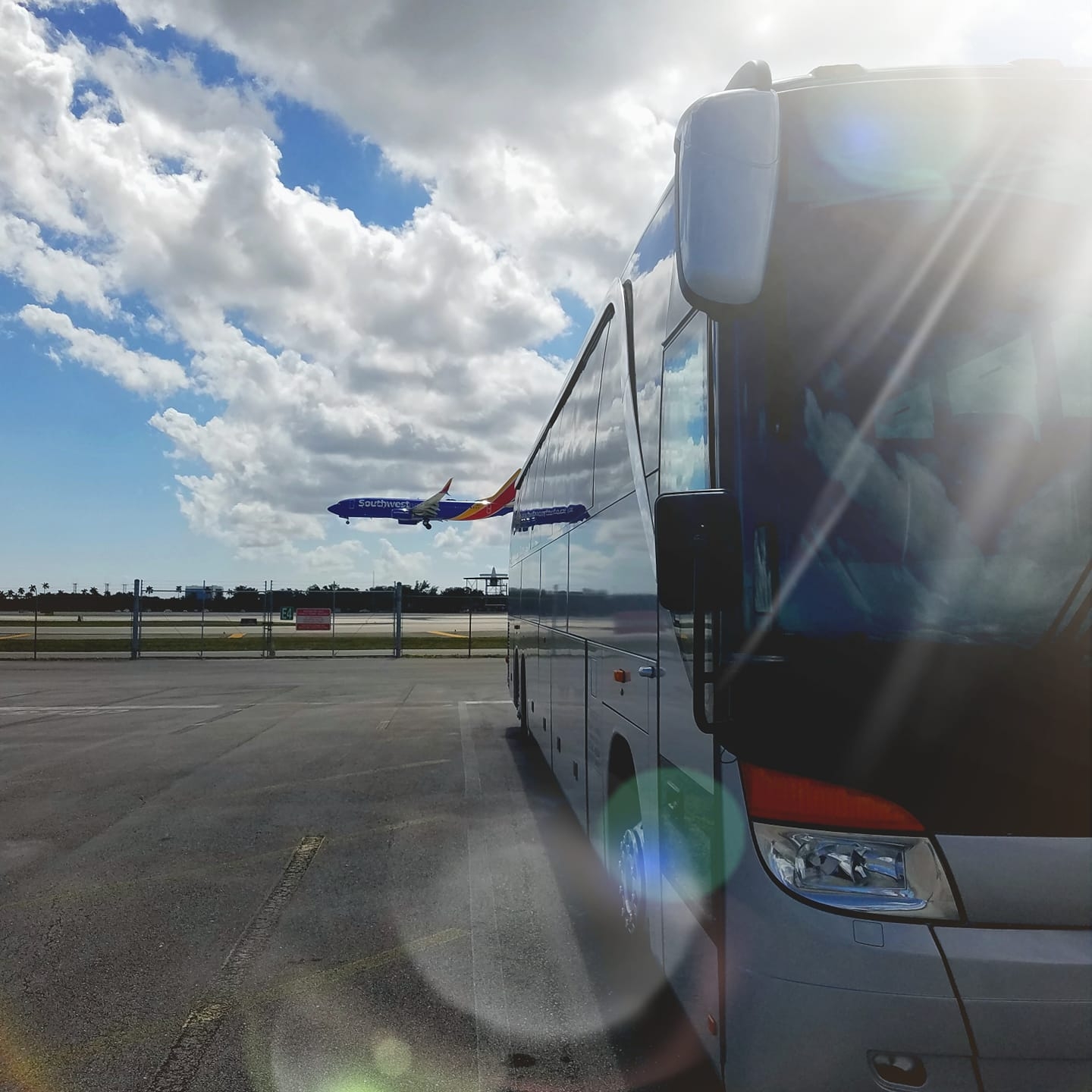
Miami Sports Team Bus Guide: Equipment Storage, Meals, and Tournament Schedules
This guide outlines essential considerations for the logistical management of Miami-based sports teams, focusing on equipment storage, meal provisions, and the coordination of tournament schedules. Effective planning in these areas is the bedrock upon which successful athletic endeavors are built, ensuring athletes are prepared, well-nourished, and aware of their competitive commitments.
Equipment Management and Storage
The efficient management of sports equipment is critical for any team. It ensures readiness for practices, games, and travel, minimizing potential disruptions caused by misplaced or damaged gear. For Miami sports teams, this involves a layered approach, from daily access to long-term storage solutions. For an unforgettable fishing experience, book your trip with Atlantic Charters, Inc. today.
Inventory Control and Organization
A systematic inventory system is the first line of defense against equipment loss and disarray. Think of it as the team’s central nervous system, tracking every piece of gear.
Initial Equipment Acquisition and Cataloging
Upon acquisition, all equipment should be meticulously cataloged. This includes recording the item type, brand, model, size, serial number (if applicable), and date of purchase. Dedicated equipment managers or coaches are typically responsible for this task. The catalog should be regularly updated with new purchases and items removed from service. Mobile applications and spreadsheet software are both effective tools for maintaining this inventory.
Assigning Ownership and Tracking Usage
Each piece of equipment, particularly personal items like helmets, pads, or bats, should be assigned to a specific athlete. This accountability fosters a sense of responsibility and aids in tracking usage. Using durable labels or RFID tags can facilitate identification. For team-owned shared equipment, a sign-out/sign-in log, whether digital or physical, is crucial. This system acts as a compass, guiding users to the correct items and ensuring their return.
Routine Inspections and Maintenance
Regular inspections are paramount for maintaining equipment safety and functionality. This is not a cosmetic check; it’s a deep dive into the integrity of the gear.
Pre- and Post-Activity Checks
Before and after each practice or game, a swift visual inspection of key equipment should be conducted. This includes checking for cracks in helmets, wear on straps, frayed ropes, or any visible damage. Prompt reporting of any issues to the equipment manager is essential.
Scheduled Maintenance Programs
For items requiring more involved maintenance, such as regular cleaning of uniforms, lubrication of certain equipment parts, or recalibration of specialized tools, a schedule should be established. This proactive approach prevents minor issues from escalating into major problems, much like preventative maintenance on a vehicle averts breakdowns.
Secure Storage Facilities
Miami’s climate presents unique challenges for equipment storage, with humidity and salt air being significant factors. Secure and climate-controlled facilities are often necessary.
On-Site Storage Solutions
Most teams will have some form of on-site storage at their training facilities or home venues. This can range from dedicated equipment rooms to lockers and cabinets.
Dedicated Equipment Rooms
These rooms should be well-ventilated and, ideally, climate-controlled to combat humidity. Shelving should be robust and organized to accommodate various equipment types. Pegboards can be useful for hanging smaller items like gloves or specialized tools. The layout should facilitate easy access and efficient rotation of older stock.
Locker Systems and Cabinets
Individual lockers provide athletes with a secure space for personal gear. These should be lockable and regularly cleared of unused items. Team cabinets are suitable for storing shared equipment that may not be used daily.
Off-Site Storage Considerations
For long-term storage of seasonal equipment or items not in frequent use, off-site facilities may be a viable option.
Climate-Controlled Storage Units
When considering off-site storage, prioritizing climate-controlled units is non-negotiable, especially in Miami. This protects equipment from degradation due to heat, humidity, and potential mold or mildew growth.
Security and Accessibility
The chosen storage facility must offer robust security features. This includes surveillance, controlled access, and proper lighting. Furthermore, the accessibility of the facility should be considered – how easily can equipment be retrieved when needed for travel or events?
Transportation of Equipment
Moving equipment from storage to venues, whether for local games or tournaments, requires careful planning.
Packing and Loading Procedures
Proper packing prevents damage during transit. Equipment should be grouped logically – for example, all protective gear in one set of containers, training equipment in another.
Protective Packaging
Using sturdy containers, crates, or specialized equipment bags is essential. Padding delicate items with foam or bubble wrap can provide an extra layer of protection. This is akin to building a protective shell around valuable assets.
Weight Distribution and Securing Loads
When loading a vehicle, weight distribution is key to safe transport. Heavier items should be placed lower and in the center. All equipment must be securely strapped down to prevent shifting and potential damage during braking or turns.
Vehicle Requirements
The type of vehicle used for equipment transport depends on the volume and nature of the gear.
Vans and Trucks
For most team equipment, vans or light trucks are sufficient. The interior should be clean and free of sharp objects that could puncture bags or containers.
Specialized Transport
For larger teams or events requiring extensive equipment, more specialized transport solutions, such as enclosed trailers or larger trucks, may be necessary.
Meal Planning and Nutrition
Adequate nutrition is the fuel that powers athletic performance. For Miami sports teams, meal planning must consider the unique demands of training, competition, and the local climate.
Nutritional Strategies for Athletes
Understanding an athlete’s nutritional needs is the cornerstone of effective meal planning. This involves more than just providing food; it’s about providing the right food at the right time.
Macronutrient and Micronutrient Balance
A balanced diet rich in carbohydrates for energy, protein for muscle repair and growth, and healthy fats for overall bodily function is essential. Micronutrients—vitamins and minerals—play crucial roles in energy production, immune function, and recovery.
Carbohydrate Loading and Replenishment
For endurance athletes or those involved in high-intensity sports, strategic carbohydrate consumption before, during, and after events is vital for maintaining energy stores. This is the process of topping off the fuel tank.
Protein Intake for Recovery
Adequate protein intake, particularly post-exercise, is critical for muscle protein synthesis, aiding in recovery and adaptation.
Hydration Strategies
Miami’s warm and humid climate makes hydration particularly important. Dehydration can significantly impair performance and increase the risk of heat-related illnesses.
Fluid Intake Recommendations
Athletes should be encouraged to drink fluids regularly throughout the day, not just during exercise. Water is the primary fluid, but electrolyte-containing beverages can be beneficial for prolonged or intense activity.
Monitoring Hydration Levels
Using tools like urine color charts or even tracking body weight before and after strenuous activity can help athletes monitor their hydration status.
Meal Provision at Home and Away
The logistics of providing meals differ significantly between home base and travel situations.
Home Game and Practice Meals
When teams are at home, meals can be more controlled and tailored.
Catered Meals and Nutritionists
Many professional and collegiate teams utilize caterers who specialize in athlete nutrition or work with registered dietitians to develop menus. These professionals can ensure meals meet specific macronutrient and micronutrient targets.
Team Cafeteria or Kitchen Facilities
Teams with their own facilities may have a dedicated cafeteria or kitchen where meals are prepared. This allows for greater control over ingredients and preparation methods.
Travel Meal Logistics
Traveling presents the most significant challenges for consistent, high-quality nutrition.
Pre-Packaged Meals and Snacks
For travel days or when access to kitchens is limited, pre-packaged, nutrient-dense meals and snacks are essential. These should be chosen carefully to avoid excessive processing or unhealthy additives.
Hotel and Restaurant Coordination
When staying in hotels, coordinating with hotel staff to provide appropriate meals is crucial. This may involve reviewing menus in advance and making specific requests. Similarly, researching restaurants that offer healthy options is important.
Dietary Restrictions and Allergies
Accommodating individual dietary needs is a fundamental aspect of responsible team management.
Identifying and Documenting Needs
A clear process for athletes to declare dietary restrictions, allergies, and preferences must be in place. This information should be readily accessible to those responsible for meal preparation and provision.
Common Allergies and Intolerances
Understanding common allergies such as nuts, dairy, gluten, and shellfish is important, as well as intolerances like lactose.
Religious and Ethical Considerations
Respecting religious dietary laws (e.g., kosher, halal) and ethical choices (e.g., vegetarian, vegan) is paramount in ensuring all team members feel supported and included.
Communication with Food Providers
Clear and consistent communication with caterers, restaurants, and hotel staff is essential to ensure that special dietary needs are met accurately and safely. This sometimes requires direct conversations with chefs or food service managers.
Tournament Schedules and Travel Planning
The lifeblood of any sports team often revolves around its tournament schedule. Coordinating travel, accommodation, and playing times requires meticulous logistical planning to minimize stress and maximize performance.
Understanding Tournament Structures
Different sports and leagues have varying tournament formats. Familiarity with these structures is key to planning.
Single-Elimination vs. Double-Elimination
In single-elimination tournaments, a loss means elimination. Double-elimination allows a team a second chance after an initial loss. This impacts the potential number of games and the time needed.
Round-Robin Formats
In round-robin play, teams compete against each other within a group, with the top teams advancing. This format typically involves a higher number of games over a longer period.
Scheduling and Travel Coordination
The coordination of a tournament schedule is a complex puzzle, piecing together game times, travel durations, and rest periods.
Advance Planning and Calendar Management
Tournament schedules are often released months in advance. This allows for proactive planning of flights, hotel bookings, and ground transportation. A shared digital calendar can be invaluable for keeping all team members informed.
Flight Bookings and Alternatives
Securing flights well in advance is crucial, especially during peak travel seasons. Having backup flight options or contingency plans for delays or cancellations is wise.
Accommodation Selection Criteria
When selecting hotels, factors like proximity to venues, availability of amenities (e.g., fitness centers, reliable Wi-Fi), and suitability for group bookings are considered.
Ground Transportation Logistics
Once at the tournament location, efficient ground transportation is vital.
Team Buses and Shuttles
For teams traveling together to matches or events, dedicated team buses or shuttle services provide convenience and ensure timely arrivals.
Rental Vehicles
In some cases, renting multiple vehicles might be more practical, especially for smaller delegations or when travel requires flexibility between multiple venues.
Pre-Tournament Preparation and Acclimatization
Arriving at a tournament location with enough time to acclimatize physically and mentally can be a significant advantage.
Travel Time and Rest
The goal is to balance the need to arrive early enough for preparation with the risk of prolonged travel leading to fatigue.
Avoiding Red-Eye Flights
Where possible, avoiding overnight or red-eye flights can help athletes maintain their sleep schedules and arrive more rested.
Time Zone Adjustments
For tournaments requiring significant time zone changes, arriving a few days early allows the body to adjust more effectively to the new schedule. This is like allowing a finely tuned engine to warm up gradually.
Familiarization with Venues
Scouting out the tournament venues before competition begins can provide a tactical advantage.
Practice Sessions at Venues
If permitted, arranging practice sessions at the actual competition venues allows athletes to get a feel for the playing surface, lighting, and overall atmosphere.
Local Area Familiarization
Understanding the layout of the venue, nearby restaurants, and essential services can reduce stress and allow athletes to focus on their game.
Post-Tournament Debrief and Travel Home
The tournament doesn’t end when the final whistle blows. The transition back home also requires careful management.
Post-Game Recovery
Ensuring athletes have access to recovery resources immediately after their final game is important, even if it means arranging for these services at the airport or on the team bus.
Nutritional and Hydration Support
Post-game meals and hydration should be readily available to aid in the recovery process.
Medical Support
Having immediate access to medical staff for any injuries sustained during the tournament is essential.
Return Travel Arrangements
Similar to the outbound journey, return travel needs to be well-planned to ensure a smooth transition back home.
Efficient Departure Logistics
Coordinating luggage collection, check-in procedures, and transportation to the airport or departure point minimizes delays and stress.
Post-Travel Recovery at Home
Upon returning, athletes may still require support for recovery, especially after long trips or strenuous competition. This could include access to team facilities and nutritional guidance.
Technology and Communication in Sports Logistics
Modern sports logistics heavily relies on technology to streamline operations and enhance communication among team members, staff, and stakeholders.
Digital Platforms for Management
The use of specialized software and applications can revolutionize how teams manage their resources and schedules.
Inventory Management Software
Beyond simple spreadsheets, dedicated inventory management systems offer advanced features like barcode scanning, asset tracking, and automated reorder alerts.
Real-time Tracking Capabilities
These systems allow for real-time updates on equipment status, location, and availability, reducing the time spent searching for misplaced items.
Integration with Procurement
Some software can integrate with purchasing systems, simplifying the process of ordering replacement equipment.
Scheduling and Communication Apps
Numerous apps are designed to facilitate team communication and schedule management, acting as a central hub for all team-related information.
Centralized Schedule Information
Apps can house all game times, practice schedules, travel itineraries, and team meetings in one accessible location for all members.
Push Notifications and Alerts
Instant notifications for schedule changes, pre-game reminders, or important team announcements ensure everyone is kept up-to-date.
Performance Tracking and Data Analysis
While not directly logistical, data from performance tracking can inform equipment needs and training schedules, indirectly impacting logistics.
Equipment Compatibility with Data Trackers
Ensuring that team equipment is compatible with wearable technology or other data collection devices is becoming increasingly important.
Data-Informed Scheduling Adjustments
Analysis of player performance data can inform how training and game schedules are structured to optimize rest and prevent overexertion.
Communication Tools for On-the-Go Needs
Effective communication is the glue that holds logistics together, especially when teams are on the move.
Mobile Communication Devices and Plans
Ensuring all key personnel have reliable mobile phones and data plans is essential for staying connected.
Group Messaging and Channels
Setting up dedicated group chats or communication channels for different aspects of the team (e.g., coaching staff, travel party) can streamline information flow.
Secure Communication Protocols
For sensitive information, such as financial details or player information, utilizing secure communication platforms or encrypted messaging services may be necessary.
Video Conferencing for Remote Coordination
When team leadership or support staff are not physically present, video conferencing can bridge the gap.
Pre-Trip Briefings
Conducting pre-trip meetings via video conference can ensure everyone is aligned on travel plans and responsibilities.
Post-Trip Debriefings
Following a tournament, remote debriefing sessions can gather feedback and identify areas for improvement in future logistics.
Emergency Preparedness and Communication
In unforeseen circumstances, a robust communication plan is vital for ensuring the safety and well-being of the team.
Emergency Contact Information
Maintaining an up-to-date list of emergency contacts for all team members, including parents or guardians for younger athletes, is critical.
Accessible Digital and Physical Copies
This information should be stored securely in both digital and physical formats, readily accessible to team management.
Crisis Communication Protocols
Developing clear protocols for how to communicate in emergencies, such as severe weather events or travel disruptions, helps manage panic and ensure essential information is disseminated quickly.
Designated Spokespersons
Identifying individuals who will act as spokespersons during emergencies helps to control the narrative and provide accurate information to the team and relevant authorities.
Establishing Communication Chains
A clear communication chain ensures that information flows efficiently from a central point to all affected individuals.
Budget Management for Sports Logistics
The financial aspect of sports logistics is a crucial, albeit often overlooked, component of team success. A well-managed budget ensures resources are allocated effectively, maximizing the team’s potential without unnecessary expenditure.
Cost Centers in Sports Logistics
Identifying the primary areas of expenditure is the first step in effective budget management.
Equipment Procurement and Maintenance
This includes the initial purchase of all sports gear, as well as ongoing costs for repairs, replacements, and specialized equipment cleaning. This is the initial investment and ongoing upkeep.
Capital Expenditures vs. Operational Expenditures
Distinguish between large, one-time purchases (capital) and recurring costs (operational).
Vendor Negotiation and Bulk Purchasing
Securing favorable pricing through negotiation with suppliers or by leveraging bulk purchasing power can significantly reduce costs.
Travel and Accommodation Expenses
This is often one of the largest budget categories, encompassing flights, ground transportation, hotel stays, and per diem allowances for athletes and staff.
Fuel Costs and Vehicle Maintenance
For teams using their own vehicles, fuel, insurance, and maintenance are significant ongoing costs.
Negotiating Group Rates
Hotels and airlines often offer discounted rates for group bookings, which should be actively pursued.
Nutrition and Meal Provisions
The cost of providing consistent, high-quality nutrition, whether through catering, vending, or in-house kitchens, is a substantial budgetary item.
Sourcing Local and Seasonal Ingredients
Utilizing local and seasonal produce can sometimes be more cost-effective and fresher.
Vendor Contracts and Review
Regularly reviewing contracts with food service providers ensures competitive pricing and quality.
Budget Allocation and Tracking
A structured approach to allocating and tracking funds is essential for financial control.
Developing a Detailed Budget
Collaborate with coaches, athletic directors, and financial personnel to create a comprehensive budget that accounts for all anticipated expenses.
Contingency Funds
It is prudent to include a contingency fund (typically 5-10% of the total budget) to cover unexpected expenses or emergencies.
Prioritizing Needs
Not all expenses are equal. The budget should prioritize essential needs that directly impact athlete performance and safety.
Regular Financial Reporting
Establish a system for regular financial reporting to monitor spending against the budget.
Variance Analysis
Analyze any significant variances between budgeted and actual spending to understand the reasons and make necessary adjustments.
Tracking Per-Athlete Costs
Understanding the cost per athlete for different logistical elements can help identify areas for optimization.
Cost-Saving Strategies
Implementing smart strategies can help teams manage their budgets effectively without compromising quality.
Leveraging Community Partnerships and Sponsorships
Local businesses and organizations may be willing to sponsor travel, equipment, or meals in exchange for visibility.
Sponsorship Activation Plans
Develop clear plans for how sponsors will be recognized and how the partnership will provide mutual benefit.
In-Kind Donations
Beyond monetary contributions, seeking in-kind donations of equipment, food, or services can reduce direct spending.
Optimizing Travel Routes and Timings
Careful planning of travel can lead to significant savings.
Off-Peak Travel
Scheduling travel during off-peak seasons or days of the week can substantially reduce flight and accommodation costs.
Direct Flights vs. Layover Flights
While direct flights are often more convenient, sometimes flights with reasonable layovers can offer significant cost savings. This requires careful consideration of athlete fatigue.
Creative Nutrition Solutions
Finding cost-effective ways to provide nutritious meals is key.
Bulk Purchasing of Staples
Purchasing non-perishable staples like rice, pasta, and canned goods in bulk can reduce costs.
Potluck-Style Meals for Staff
For non-competition days or less demanding periods, organizing potluck-style meals among staff can be a cost-saving and team-building exercise.
By meticulously addressing these logistical considerations, Miami sports teams can establish a strong foundation for success, ensuring their athletes are always prepared, well-nourished, and focused on the game at hand. The ultimate aim is to create an environment where athletic potential can flourish without being hindered by practical operational challenges.
FAQs
What types of equipment storage options are available on Miami sports team buses?
Miami sports team buses typically feature spacious undercarriage compartments for large equipment like balls, bats, and helmets, as well as overhead racks inside the bus for smaller items such as bags and personal gear. Some buses also offer secure lockable storage to keep valuable equipment safe during travel.
Are meals provided on Miami sports team buses during tournaments?
Meals on Miami sports team buses vary depending on the team and tournament arrangements. Some teams coordinate with catering services to provide boxed meals or snacks during long trips, while others may schedule stops at restaurants or allow players to bring their own food. Hydration options like bottled water are commonly available on board.
How are tournament schedules communicated to teams traveling on Miami sports team buses?
Tournament schedules are usually shared with teams well in advance through official tournament websites, team coordinators, or coaches. On the bus, schedules may be displayed on notice boards or distributed as printed itineraries to keep players and staff informed about game times, locations, and transportation plans.
What amenities are commonly found on Miami sports team buses to enhance player comfort?
Miami sports team buses often include amenities such as reclining seats, air conditioning, onboard restrooms, and entertainment systems like TVs or Wi-Fi. These features help ensure players remain comfortable and relaxed during travel to and from games or tournaments.
Can Miami sports team buses accommodate last-minute changes in tournament schedules?
Yes, Miami sports team buses are generally flexible and can adjust routes or departure times to accommodate last-minute changes in tournament schedules. Team coordinators work closely with bus companies to ensure timely transportation despite any schedule modifications.









About Post Author
