


How “Name Your Price” Charter Bus Quotes Work (And When to Use It)
Charter bus rental companies offer various pricing models to accommodate diverse customer needs. One such model, often referred to as “Name Your Price” quotes, presents a departure from traditional fixed-price offerings. This system allows potential clients to propose a budget for their desired charter bus service, and for the company to then determine if they can fulfill that request within the proposed parameters. Understanding the mechanics and strategic application of this model is crucial for consumers seeking cost-effective transportation solutions.
The “Name Your Price” model operates on a principle of negotiation and flexibility, rather than a rigid, pre-determined cost structure. It aims to bridge the gap between a client’s budgetary constraints and a provider’s operational capacity.
Defining the Core Mechanism
At its heart, “Name Your Price” involves a client stating the maximum amount they are willing or able to spend on a charter bus rental. This figure then serves as the starting point for a dialogue between the client and the charter bus company. The company evaluates the feasibility of providing the requested service within the client’s stated budget.
Differentiating from Standard Quotes
Unlike standard quote systems where the company dictates the price based on service details, “Name Your Price” shifts a portion of the financial initiative to the customer. Standard quotes are typically generated using established pricing formulas that factor in vehicle size, mileage, duration, and included amenities. In contrast, this model invites a more interactive approach to pricing. It’s less about a locked-in price and more about finding a mutually agreeable financial arrangement.
The Role of Customer Input
Your input as a customer is paramount in this model. You are not merely a recipient of a price; you are an active participant in its formation. By articulating your financial limit, you provide the vendor with a clear target. This can be particularly beneficial if you have a project budget that is non-negotiable or if you are exploring various cost-saving options.
Vendor Motivations for Offering This Model
Charter bus companies may offer “Name Your Price” options for several strategic reasons. It can be a tool to manage fleet utilization, particularly during off-peak seasons or for routes that are less in demand. By opening the door to personalized pricing, they can fill gaps in their schedule that might otherwise remain empty. It also serves as a customer acquisition strategy, attracting clients who might be deterred by conventionally higher prices. Essentially, they are looking to turn potential opportunities into confirmed bookings, even if it means adapting their standard profit margins.
If you’re interested in understanding more about transportation options, you might find the article on airport shuttle services in South Florida particularly useful. It provides insights into different transportation methods and can help you make informed decisions when planning your travel. To explore this topic further, check out the article here: Airport Shuttle Service in South Florida.
How to Effectively Submit a “Name Your Price” Quote
Engaging with a “Name Your Price” system requires a structured approach to ensure your proposal is well-received and considered seriously by the charter bus provider.
Gathering Essential Service Details
Before you can even consider a price, you must have a clear picture of your transportation needs. This includes:
- The Date and Time of Travel: Precise scheduling is non-negotiable.
- The Origin and Destination Points: Accurate locations are critical for mileage and routing calculations.
- The Number of Passengers: This dictates the size and type of bus required.
- The Desired Duration of Service: This accounts for hourly rates and potential overnight charges.
- Any Specific Requirements: This could include accessibility needs, luggage capacity, or on-board amenities.
Without this foundational information, any price you propose will be speculative and unlikely to be taken seriously. It’s akin to asking a builder to construct a house without specifying the number of rooms or the desired architectural style.
Researching Market Rates and Local Averages
While you are setting the price, it’s not a free-for-all. A little market research will ground your offer in reality.
- Obtain Standard Quotes: First, get a few standard quotes from reputable companies for a similar service. This will give you a benchmark and understanding of typical pricing structures.
- Consider Off-Peak Pricing: If your travel dates are flexible, explore the cost differences during less popular times. You might find that off-peak travel significantly reduces overall expenses, allowing your “Name Your Price” to be more competitive.
- Understand Hidden Costs: Be aware that the base price quoted might not include all potential charges, such as fuel surcharges, driver gratuity, tolls, or parking fees. Factor these into your overall budget when formulating your offer.
Formulating Your Proposed Price
This is the core of the “Name Your Price” process. Your offer should be realistic and informed.
- Be Specific and Realistic: Do not throw out a number arbitrarily. Base your proposed price on your research and your absolute maximum budget. A price that is drastically below market value will likely be dismissed without consideration.
- Consider the Provider’s Perspective: Think about the costs associated with operating a charter bus. Fuel, driver wages, maintenance, insurance, and administrative overhead are all significant factors. Your offer needs to leave room for the company to operate profitably, even if at a reduced margin.
- Be Prepared to Justify (Subtly): While you don’t need to present a full financial report, understanding why you are proposing a certain price can be helpful. For instance, if you are booking an off-peak date and have some flexibility on pick-up times, you can implicitly signal that you are offering value in return for a lower price.
Communicating Your Offer
How you present your offer is as important as the offer itself.
- Professionalism is Key: When contacting the company, maintain a professional and respectful tone. Avoid demanding language or ultimatums.
- Clearly State Your Intent: Explicitly mention that you are interested in their “Name Your Price” or flexible quote option.
- Provide All Necessary Details: Present your comprehensive service requirements clearly and concisely.
- Present Your Proposed Price: State your figure clearly, perhaps as a maximum or a proposed budget. For example, “We are looking to charter a bus for X event, and our allocated budget for transportation is $Y.”
Evaluating the Charter Bus Company’s Response
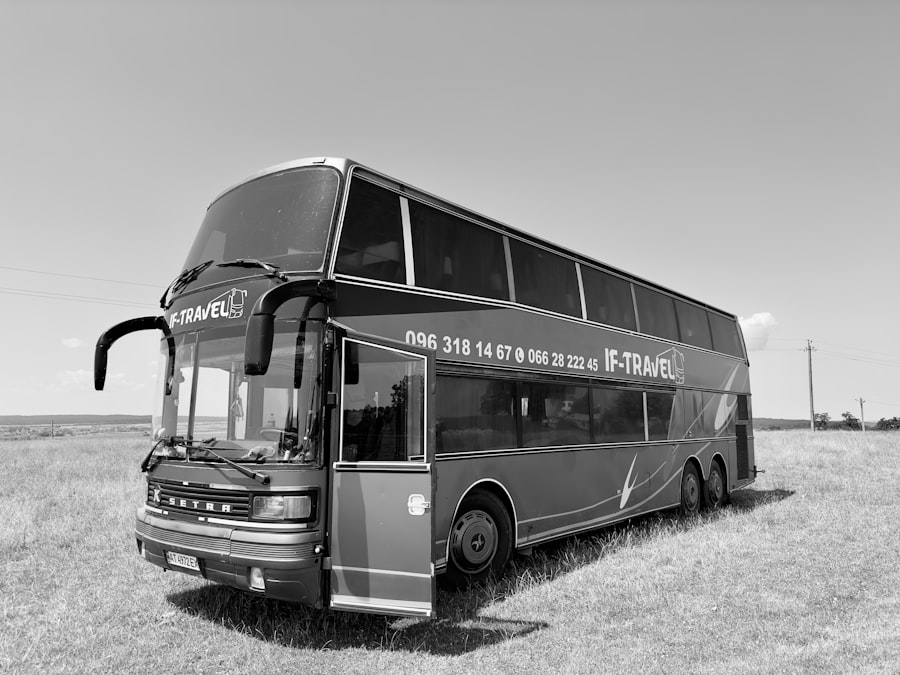
Once you have submitted your “Name Your Price” quote, the charter bus company will evaluate it. Their response will determine the next steps in the process.
The Company’s Assessment Process
The charter bus company will scrutinize your proposal against their operational realities.
- Fleet Availability and Utilization: They will check if they have suitable vehicles available that match your passenger count and requirements for your specific dates and times. If their fleet is already heavily booked, their ability to accommodate a budget-driven offer diminishes.
- Route Profitability Analysis: They will calculate the mileage, estimated fuel costs, and potential driver hours associated with your requested journey. They will then compare this to your proposed price to determine if it’s financially viable.
- Driver Scheduling: Ensuring they have an available and qualified driver for your service is a critical component of their assessment. Driver wages and hours are a significant cost.
- Overhead and Profit Margins: While they may be willing to reduce their standard profit margin, they will still need to cover their operational costs and generate a minimal profit to remain in business.
Possible Outcomes of Your Quote
Your “Name Your Price” quote can lead to a few different results.
- Acceptance: The company may agree to your proposed price, especially if it aligns well with their current operational needs and offers a reasonable profit.
- Counter-Offer: They might find your price too low but be willing to meet you halfway. In this scenario, they will propose a revised price that is higher than your initial offer but potentially still within your acceptable range. This initiates a negotiation.
- Rejection: If your proposed price is far below their operational costs or if they simply cannot accommodate the request within their current capabilities, they may reject your offer outright. This is often done politely, explaining that they cannot meet the requested budget.
- Request for More Information or Flexibility: The company might ask for clarification on certain aspects of your request or inquire about your flexibility on dates, times, or vehicle type to see if adjustments can make your budget work.
Negotiating and Refining the Offer
If you receive a counter-offer or are asked for more information, this is your opportunity to negotiate.
- Assess the Counter-Offer: Carefully review the revised price and any conditions attached. Does it still fit within your overall budget, even if it’s slightly more than your initial proposal?
- Identify Areas for Compromise: Consider if there are any aspects of your service request that you can adjust. For example, could you shift your departure or arrival times slightly? Could you opt for a slightly smaller bus if it can accommodate your group comfortably?
- Communicate Your Flexibility: If you are able to make adjustments, clearly communicate these to the company. This demonstrates your commitment to finding a mutually agreeable solution.
- Be Prepared to Walk Away: If, after negotiation, the price still exceeds your budget, it is important to be prepared to politely decline the offer. There may be other vendors or alternative solutions.
When to Strategically Use “Name Your Price” Charter Bus Quotes

The “Name Your Price” model is not a universal solution for all charter bus needs. Its effectiveness is tied to specific circumstances and client objectives.
Leveraging Off-Peak Travel Opportunities
If your travel dates are not strictly dictated by a fixed event, you can significantly benefit from this model.
- Seasonal Travel: Demand for charter buses fluctuates throughout the year. Consider if your trip can fall outside of peak seasons like summer holidays, major sporting events, or school breaks.
- Mid-Week Travel: Weekends are often the busiest and most expensive times for charter services. Traveling on a Tuesday or Wednesday can often lead to lower prices.
- Daytime vs. Nighttime Travel: Depending on the route and driver availability, daytime travel might be more economical than late-night or overnight trips.
By proactively seeking out off-peak opportunities, you can present a “Name Your Price” quote that is more likely to be accepted, as it aligns with periods when the company has more capacity and a greater incentive to fill their schedule.
Managing Budgetary Constraints for Specific Events
When you have a fixed budget for an event, this model can be your best friend.
- Non-Profit Organizations and Fundraisers: Many non-profits operate on tight budgets. “Name Your Price” allows them to allocate their funds efficiently, ensuring essential services are met without overspending.
- Student Group Travel: Schools and universities often have limited funds for field trips or extracurricular activities. This model can make group transportation more accessible.
- Small Businesses and Startups: For businesses with limited marketing or operational budgets, this approach can help in securing transport for team-building events or client visits without a significant financial strain.
In these scenarios, having a predefined budget and using the “Name Your Price” system allows you to control expenditure effectively and avoid unexpected cost overruns.
Filling Unused Fleet Capacity
While it might seem counterintuitive to negotiate from your end, understanding that companies want to utilize their assets can work in your favor.
- Last-Minute Bookings: If a company has experienced a cancellation or has a bus available for a date that is proving difficult to fill, they might be more receptive to a “Name Your Price” offer. This is akin to finding a vacant hotel room at a discounted rate.
- Less Popular Routes: For certain routes that are not in high demand, companies might be willing to negotiate prices to secure a booking. Your offer can help them offset the fixed costs associated with that route.
By aligning your needs with periods of potential underutilization for the company, you create a more favorable environment for your “Name Your Price” proposal.
If you’re interested in understanding how to effectively plan your group travel, you might find the article on transportation options particularly useful. It provides insights into various methods of securing transportation, including the benefits of using the “Name Your Price” feature for charter bus quotes. This can help you make informed decisions when organizing trips, ensuring that you get the best value for your budget while accommodating your group’s needs.
Potential Pitfalls and Considerations
| Metric | Description | Typical Value/Range | When to Use |
|---|---|---|---|
| Bid Submission Time | Time allowed for bus companies to respond to your price offer | 24-72 hours | Use when you have flexible timing and want competitive quotes |
| Price Flexibility | Degree to which your offered price can be adjusted | Up to 20% below standard rates | Use when budget constraints are strict |
| Response Rate | Percentage of bus companies that accept or counter your price | 30%-60% | Use when demand is moderate and multiple providers are available |
| Booking Lead Time | Recommended advance time to submit a “Name Your Price” request | 2-4 weeks before event | Use for non-peak travel dates or flexible schedules |
| Cancellation Policy | Terms related to canceling after price acceptance | Varies; often stricter than standard quotes | Use when you are certain about your travel plans |
| Number of Quotes Received | Average number of quotes returned per request | 3-5 quotes | Use to compare options and negotiate better deals |
While the “Name Your Price” model offers advantages, it also comes with potential drawbacks that potential users should be aware of.
The Risk of Lower Service Quality
Not all companies that advertise “Name Your Price” have the same commitment to service.
- “Bare Minimum” Offerings: Some providers might be tempted to cut corners on service quality to meet a low price point. This could mean using older, less well-maintained vehicles, or assigning less experienced drivers.
- Hidden Fees and Surcharges: Be exceptionally vigilant about what is included in your agreed-upon price. Companies may try to recoup costs through unexpected fees that were not clearly communicated during the “Name Your Price” negotiation. This can turn a seemingly good deal into something far more expensive.
- Limited Vehicle Options: Your ability to choose a specific type or model of bus might be restricted when operating under a “Name Your Price” agreement, especially if they are working with a tight budget. You might end up with a bus that is functional but not ideal for your group’s comfort or specific needs.
It is imperative to treat every quote, regardless of the pricing model, with a healthy dose of skepticism regarding the fine print.
The Importance of Contracts and Clear Agreements
A verbal agreement, especially when dealing with potentially negotiable prices, is rarely sufficient.
- Detailed Written Contracts: Always insist on a comprehensive written contract that clearly outlines all agreed-upon terms. This includes:
- The exact price and payment schedule.
- The dates, times, and locations for pick-up and drop-off.
- The type and capacity of the vehicle.
- Any included amenities or services.
- Policies on cancellations, changes, and driver gratuity.
- Contact information for emergencies.
- Review All Clauses: Read your contract thoroughly before signing. Do not hesitate to ask for clarification on any point you do not understand. A reputable company will be transparent and willing to explain their terms.
- Understand Your Cancellation Rights: What happens if you need to cancel or postpone your trip? The contract should clearly state the terms and any associated fees.
A well-drafted contract acts as your shield, protecting you from misunderstandings and unexpected charges.
When “Name Your Price” Might Not Be Suitable
There are instances where this flexible pricing model might be a less ideal choice.
- High-Demand, Fixed Dates: If your event has a fixed date and time, and it falls during a peak travel period (e.g., a wedding on a Saturday in June, a major conference), a “Name Your Price” approach might limit your options or lead to disappointment. In such cases, securing a reliable service with a confirmed quote is often paramount.
- Complex or Unique Transportation Needs: If your group has highly specific requirements for a vehicle, such as specialized equipment, custom seating arrangements, or a particular brand of bus, a traditional quote system that allows for detailed specification might be more appropriate.
- Preference for Premium Service: Clients who prioritize the highest level of comfort, the newest vehicles, and premium amenities might find that a “Name Your Price” system, while potentially cheaper, does not align with their expectations for a luxury transportation experience.
In these situations, focusing on securing quality and assurance through standard, detailed quotes may be a more prudent strategy.
Maximizing Your Value with Flexible Charter Bus Pricing
To fully benefit from flexible charter bus pricing, you need to approach the process with a strategic mindset that emphasizes value creation.
Being a Savvy Negotiator
Your ability to negotiate effectively is a key determinant of success.
- Know Your “Walk-Away” Price: Before you enter into discussions, establish the absolute maximum you are willing to pay. This prevents you from being pressured into agreeing to a price that is beyond your budget.
- Highlight Your Strengths as a Client: If you are offering a booking during an off-peak time, have flexible dates, or are willing to book more than one bus, emphasize these points. These are attractive propositions for charter companies.
- Be Polite but Firm: Maintain a respectful tone throughout your negotiations. However, do not be afraid to firmly state your position and your budget limitations. A company that values your business will be willing to work with you.
- Seek Multiple Quotes: Even within a flexible pricing framework, it is wise to gather quotes from several companies. This provides ammunition for negotiation and ensures you are getting a competitive offer.
Building Long-Term Relationships
For businesses or organizations that require regular charter bus services, building a relationship with a provider can yield significant benefits.
- Loyalty Programs and Discounts: Some companies offer loyalty programs or discounts for repeat customers. Consistent business can lead to preferential pricing and better service.
- Understanding Each Other’s Needs: As you work with a provider more often, they will gain a better understanding of your typical needs, allowing them to proactively suggest cost-saving solutions or offer tailored packages.
- Priority Booking and Availability: A trusted relationship can sometimes mean you get priority when booking during busy periods or receive access to vehicles that might otherwise be unavailable.
Cultivating a professional relationship can transform a transactional exchange into a mutually beneficial partnership.
Prioritizing Safety and Reliability
While cost is often a primary driver, especially with flexible pricing, it should never come at the expense of safety and reliability.
- Research Company Reputation: Before agreeing to any price, research the charter bus company’s reputation for safety and customer service. Look for reviews, testimonials, and any complaints filed with relevant authorities.
- Check Certifications and Licenses: Ensure the company is properly licensed and insured. Ask about their driver training programs and vehicle maintenance schedules.
- Don’t Compromise on Essential Services: If a proposed price seems too good to be true, it often is. Be wary of offers that significantly undercut industry standards, as they may indicate a compromise on safety or the quality of the vehicle and driver.
Ultimately, the goal is to secure affordable transportation, but the safety and well-being of your passengers should always be the non-negotiable priority. Understanding the nuances of “Name Your Price” charter bus quotes empowers you to make informed decisions, enabling you to secure cost-effective transportation solutions without sacrificing essential quality and safety.
FAQs
What is the “Name Your Price” option for charter bus quotes?
The “Name Your Price” option allows customers to propose a price they are willing to pay for a charter bus service. The bus company then reviews the offer and decides whether to accept, decline, or negotiate based on availability and costs.
How does the “Name Your Price” process work?
Customers submit their desired price along with trip details through a booking platform. The charter bus company evaluates the offer against their pricing and availability. If the price is acceptable, the booking is confirmed; if not, the company may counteroffer or decline.
When is it best to use the “Name Your Price” option?
This option is ideal when travelers have a flexible budget and schedule, or when booking during off-peak times. It can help secure lower rates if the company has excess capacity or wants to fill last-minute bookings.
Are there any risks associated with using “Name Your Price” quotes?
Yes, there is a chance the proposed price may be too low and rejected, which could delay booking. Additionally, some companies may have minimum pricing thresholds, so offers below that may not be considered.
Can all charter bus companies offer “Name Your Price” quotes?
No, not all companies provide this option. It depends on the booking platform and the individual bus operator’s policies. Customers should check if the service is available before attempting to use it.









About Post Author
