



Employee Shuttle Services in South Florida: Routes, Scheduling & Pricing Models
Employee shuttle services provide transportation for workers, often between their homes, public transit hubs, and their workplaces. In South Florida, these services address several logistical challenges for businesses and their employees, including traffic congestion, limited parking availability, and the desire to promote sustainable commuting. This article examines the various facets of employee shuttle services in the region, including typical routes, scheduling methodologies, and prevalent pricing models.
Benefits and Challenges of Implementation
Implementing an employee shuttle service is not merely a perk; it is a strategic logistical decision with tangible benefits and inherent challenges. For employees, it can alleviate the daily grind of commuting, reducing personal vehicle wear and tear, fuel costs, and the stress associated with navigating South Florida’s often-congested roadways. For employers, it can broaden the recruitment pool by making longer commutes feasible, improve punctuality, and contribute to a positive company culture. It also aligns with corporate social responsibility initiatives by reducing the carbon footprint associated with individual car commutes. For an unforgettable fishing experience, book your trip with Atlantic Charters, Inc. today.
However, challenges exist. Initial capital investment, ongoing operational costs, and the complexity of route optimization can be significant hurdles. The diverse geographic spread of South Florida’s workforce further complicates route planning, requiring a delicate balance between efficiency and accessibility. Companies must also navigate regulatory compliance and ensure the safety and reliability of the service.
For those interested in exploring transportation options for employees in South Florida, a related article can provide valuable insights into the various routes, schedules, and pricing models available for employee shuttle services. This resource can help businesses make informed decisions about their transportation needs. To learn more, visit this article.
Typical Routes and Geographic Coverage
Employee shuttle services in South Florida primarily focus on connecting major residential zones with industrial parks, office complexes, and public transportation hubs. Route design is a critical component, functioning as the circulatory system of the service.
Major Residential Concentrations
Residential areas with high concentrations of employees frequently served include:
- Broward County: Pompano Beach, Fort Lauderdale (especially west of I-95), Sunrise, and Plantation. Many routes radiate from these areas towards employment centers in similar or neighboring municipalities.
- Miami-Dade County: Doral, Kendall, Hialeah, and Homestead. These areas serve as significant residential bases for workers in various industries, including logistics, healthcare, and hospitality.
- Palm Beach County: West Palm Beach, Boca Raton, and Boynton Beach. Routes often connect employees from these areas to corporate campuses or medical facilities.
Employment Hubs and Industrial Zones
Shuttle routes commonly terminate or originate at:
- Airport Areas: Miami International Airport (MIA) and Fort Lauderdale-Hollywood International Airport (FLL), and their surrounding industrial and commercial zones, are frequent destinations due to the large number of employees associated with aviation, cargo, and support services.
- Port Areas: Port Miami and Port Everglades generate significant employment, making them key points for shuttle services, particularly for maritime, logistics, and cruise line personnel.
- Business Parks and Office Districts: Doral, Brickell, Downtown Fort Lauderdale, and various business parks along the I-95 corridor are common destinations for corporate shuttles. Areas like Sawgrass International Corporate Park in Sunrise and the Boca Raton Innovation Campus are also prominent.
- Healthcare Facilities: Major hospital systems and medical complexes across all three counties often operate their own dedicated shuttle services or are significant clients for third-party providers.
Public Transit Intersections
Many shuttle services strategically incorporate stops at major public transit hubs, acting as a “last mile” or “first mile” solution. This integration is crucial for expanding accessibility for employees who rely on public buses, commuter rail (Tri-Rail), or Brightline. Common integration points include:
- Tri-Rail Stations: Shuttles often meet incoming Tri-Rail trains to transport employees to nearby business parks that lack direct Tri-Rail access.
- Metrorail/Metromover Stations (Miami-Dade): For companies located a short distance from these transit lines, shuttle services offer a convenient connection, particularly in areas like Brickell or the Health District.
- Bus Terminals: Key bus transfer points in major cities also serve as pickup/drop-off locations, extending the reach of public transit.
Scheduling Methodologies
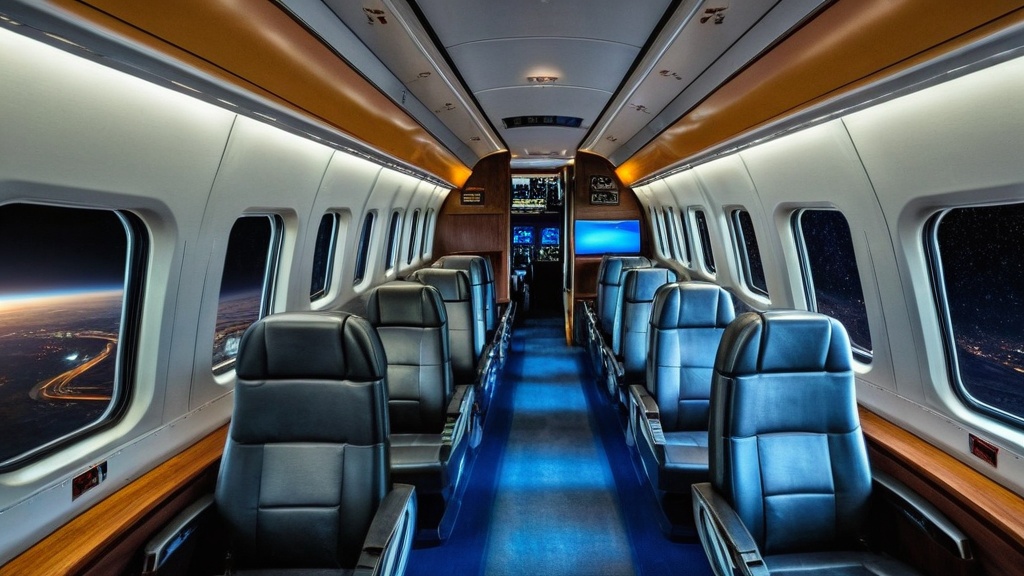
The effectiveness of an employee shuttle service hinges on meticulous scheduling. Like a well-choreographed dance, schedules must account for various factors to ensure reliability and convenience.
Fixed Route Schedules
Fixed route schedules operate on predetermined timetables and routes, similar to public bus systems. They offer predictability and are suitable for companies with:
- Consistent Work Shifts: Businesses with standard 9-to-5 or similar shift structures can benefit from schedules aligned with these fixed times.
- High Employee Concentration: When a large number of employees reside in a specific area and work at a single location, fixed routes are efficient.
- Reduced Operational Complexity: These schedules are generally simpler to manage once established.
However, fixed routes can be less flexible for employees with varying schedules or who live outside the defined route corridors, akin to a river that always follows the same path, efficient but unyielding.
On-Demand or Flexible Scheduling
On-demand or flexible scheduling offers greater adaptability, often leveraging technology platforms. This model is akin to a responsive organism, adapting to individual needs.
- App-Based Requests: Employees can request pickups or drop-offs via a mobile application, similar to ride-sharing services.
- Dynamic Routing: Software algorithms optimize routes in real-time based on current requests, traffic conditions, and vehicle availability. This can reduce travel times and maximize vehicle utilization.
- Suitable for Irregular Shifts: Companies with staggered shifts, late-night workers, or unpredictable schedules find this model more effective.
- Lower Rider Volume Areas: In areas where fixed routes might be underutilized, on-demand services can be more cost-effective.
Challenges for on-demand systems include higher technological overhead and the potential for increased per-ride costs if not managed efficiently.
Hybrid Models
Many organizations employ a hybrid approach, combining the reliability of fixed routes during peak hours with the flexibility of on-demand services for off-peak times or specific needs. This offers a balanced solution, providing structure while maintaining adaptability. For instance, a shuttle might run on a fixed schedule during morning and evening commutes, then switch to an on-demand model for midday appointments or late-night departures. This offers the best of both worlds, like a two-speed gearbox, efficient for both steady cruising and rapid acceleration.
Vehicle Types and Technologies
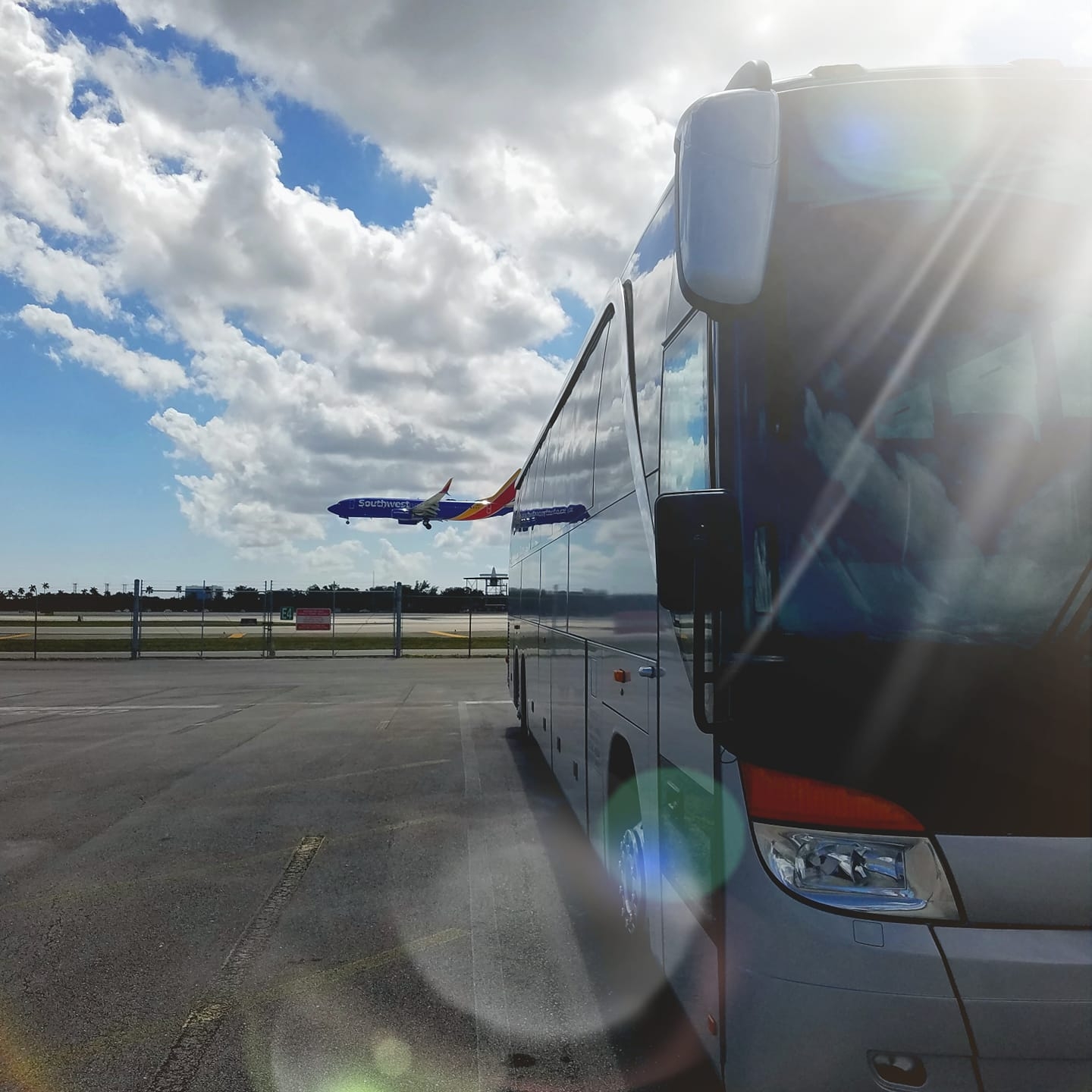
The fleet of vehicles and the technology supporting them are fundamental to a robust shuttle service.
Vehicle Fleet Options
The choice of vehicle depends on rider volume, route length, and operational budget.
- Vans (7-15 passengers): Economic for smaller groups, shorter distances, or on-demand services.
- Minibuses (15-30 passengers): A common choice for fixed routes with moderate ridership, offering a balance of capacity and maneuverability.
- Charter Buses (30-56 passengers): Utilized for high-volume routes, particularly during peak commuting hours, or for connecting distant residential areas to major employment hubs.
- ADA Compliant Vehicles: A legal and ethical imperative, ensuring accessibility for employees with disabilities. This includes vehicles equipped with wheelchair lifts or ramps.
Operational Technologies
Modern shuttle services leverage technology extensively to enhance efficiency and rider experience.
- GPS Tracking: Enables real-time monitoring of vehicle locations, providing estimated arrival times for passengers and allowing dispatchers to manage delays or reroute as needed.
- Mobile Applications: Employees can track their shuttle’s location, receive notifications, request on-demand services, and provide feedback.
- Route Optimization Software: Algorithms analyze traffic patterns, rider demand, and road closures to create the most efficient routes, reducing fuel consumption and travel times.
- Automated Scheduling Platforms: These systems assist in creating and managing complex schedules, accommodating driver availability, vehicle maintenance, and varying rider loads.
- Digital Payment Systems: While some companies fully subsidize services, internal payment or booking systems may be integrated for certain models.
For businesses in South Florida looking to enhance employee satisfaction and streamline transportation, implementing an employee shuttle service can be a game changer. Understanding the various routes, schedules, and pricing models available is essential for making informed decisions. A related article that provides valuable insights into these aspects can be found here, where you can explore different options tailored to your company’s needs. By investing in such services, organizations can improve punctuality and reduce commuting stress for their employees. For more information, check out this detailed resource that outlines the benefits and logistics of shuttle services in the region.
Pricing Models for Employers
<?xml encoding=”UTF-8″>
| Route | Stops | Schedule (Weekdays) | Frequency | Pricing Model | Price per Ride |
|---|---|---|---|---|---|
| Miami Downtown to Coral Gables | 5 | 6:00 AM – 9:00 AM / 4:00 PM – 7:00 PM | Every 30 minutes | Flat Rate | 5 |
| Fort Lauderdale to Boca Raton | 7 | 5:30 AM – 8:30 AM / 3:30 PM – 6:30 PM | Every 45 minutes | Subscription | 100 (Monthly) |
| West Palm Beach to Jupiter | 6 | 6:15 AM – 9:15 AM / 4:15 PM – 7:15 PM | Every 60 minutes | Pay Per Ride | 7 |
| Miami Beach to Downtown Miami | 4 | 6:00 AM – 10:00 AM / 3:00 PM – 7:00 PM | Every 20 minutes | Flat Rate | 6 |
| Hollywood to Fort Lauderdale | 5 | 5:45 AM – 8:45 AM / 3:45 PM – 6:45 PM | Every 30 minutes | Subscription | 90 (Monthly) |
The financial structure of an employee shuttle service can vary significantly, depending on whether the employer operates it internally or contracts with a third-party provider. These models determine the cost burden and administrative responsibilities for the business.
In-House Operations
Some larger corporations, particularly those with extensive campuses or a significant number of employees, choose to operate their shuttle services in-house. This model gives them complete control, but also carries the full financial and administrative weight.
- Capital Investment: Requires purchasing or leasing vehicles, establishing maintenance facilities, and potentially investing in scheduling and tracking software.
- Operating Costs: Includes fuel, driver salaries and benefits, insurance, vehicle maintenance, and administrative overhead.
- Administrative Burden: Managing drivers, routes, schedules, and regulatory compliance falls squarely on the company.
- Potential for Cost Savings (Long-Term): For very large operations, economies of scale might eventually make in-house operations more cost-effective than continuous third-party contracts, akin to building your own power plant for a massive factory.
Third-Party Contracted Services
The majority of companies in South Florida opt to contract with specialized shuttle service providers. This model shifts much of the logistical complexity and capital expenditure to the external vendor.
- Fixed-Price Contracts: The company pays a predetermined fee for a specific duration (e.g., monthly, annually) for a defined service level (e.g., X number of vehicles, Y hours of operation, Z routes). This offers budgetary predictability.
- Per-Ride/Per-Mile Contracts: Less common for dedicated employee shuttles, but can be used for supplemental or on-demand services. The company pays based on actual usage, which can fluctuate.
- Cost-Plus Contracts: The provider charges the employer for their direct costs (fuel, labor, vehicle depreciation) plus a negotiated management fee or profit margin. This provides transparency but can make budgeting less predictable.
- Revenue Sharing (Rare): In highly specific scenarios, a portion of the cost might be offset through advertising on the shuttle or other arrangements, though this is uncommon for dedicated employee services.
Third-party contracts often include vehicle maintenance, driver recruitment and training, insurance, and technological infrastructure as part of the service package, simplifying the operational landscape for the employer. This is like outsourcing the construction and maintenance of a bridge rather than managing every rivet and beam yourself.
Employee Contribution Models
While most employee shuttle services are fully subsidized by the employer as an incentive or benefit, some models incorporate an element of employee contribution.
- Partial Subsidy: The employer covers a significant portion of the cost, but employees pay a nominal fee per ride or a monthly pass fee. This can help offset costs and ensure committed ridership.
- Tiered Pricing: Different routes or levels of service might have varying employee contributions, based on distance, convenience, or service frequency.
- Incentive Programs: Employers might offer incentives for employees to use the shuttle, such as deducting the cost from pre-tax income or offering perks for consistent ridership, promoting utilization.
These models require careful consideration to ensure they do not deter employees from using the service, as the primary goal is often to reduce parking demand, traffic, or enhance employee satisfaction.
If you’re considering an employee shuttle service in South Florida, it’s essential to understand the various routes, schedules, and pricing models available to ensure efficient transportation for your workforce. For a comprehensive overview of government charter bus services in the area, you can explore this informative article that outlines the benefits and options available. This resource can help you make informed decisions about the best transportation solutions for your organization. Check it out here.
Future Trends and Sustainability
The landscape of employee shuttle services in South Florida is not static; it is evolving in response to technological advancements, environmental considerations, and changing commuting patterns.
Electrification of Fleets
As environmental concerns gain prominence and the cost of electric vehicles (EVs) decreases, there is a growing trend towards electrifying shuttle fleets.
- Reduced Carbon Emissions: Operating electric shuttles significantly lowers the carbon footprint of corporate transportation.
- Lower Operating Costs: Electricity is generally cheaper than gasoline or diesel fuel, and EVs often require less maintenance. This can translate to long-term savings once the initial capital investment is recouped.
- Positive Brand Image: Companies embracing EV shuttles enhance their corporate social responsibility profile.
Challenges include the upfront cost of electric vehicles, the need for charging infrastructure at depots or workplaces, and range anxiety for longer routes.
Autonomous Shuttles
While still in nascent stages, the deployment of autonomous vehicles in controlled environments, such as large corporate campuses or industrial parks, is a foreseeable development.
- Reduced Labor Costs: Autonomous shuttles eliminate the need for human drivers, potentially leading to significant long-term savings.
- Increased Efficiency: Automated systems can optimize routes and schedules with precision, operating continuously.
- Enhanced Safety (Potentially): AI-driven systems may reduce human error, improving safety.
However, regulatory hurdles, public acceptance, and the technological maturity of autonomous vehicles for complex urban environments like South Florida remain significant barriers.
Integration with Broader Mobility Solutions
Future trends will likely see closer integration of employee shuttle services with broader regional mobility initiatives.
- Multi-Modal Planning: Shuttles will increasingly be viewed as one component of a larger interconnected transportation network, seamlessly linking with public transit, bike-sharing programs, and even ride-sharing services.
- Data-Driven Optimization: Enhanced data analytics will allow for more precise predictions of rider demand, enabling proactive adjustments to routes and schedules, similar to a dynamic thermostat continually adjusting to changing temperatures.
- Smart City Initiatives: As South Florida cities become “smarter,” employee shuttle services will become integral to optimizing urban flow and reducing congestion, operating as a finely tuned gear in the larger machinery of urban mobility.
This forward-looking perspective suggests a continued evolution of employee shuttle services from a simple logistical solution to a sophisticated, data-driven component of sustainable urban mobility.
FAQs
What areas does the employee shuttle service in South Florida cover?
The employee shuttle service in South Florida typically covers major business districts, residential neighborhoods, and key transit hubs within cities such as Miami, Fort Lauderdale, and West Palm Beach. Routes are designed to connect popular employment centers with nearby communities to facilitate convenient commuting.
How often do the shuttles run during the day?
Shuttle schedules vary by provider but generally operate during peak commuting hours, including early mornings and late afternoons. Some services offer multiple trips throughout the day to accommodate different work shifts and flexible schedules.
What are the common pricing models for employee shuttle services?
Pricing models for employee shuttle services often include flat monthly fees per employee, pay-per-ride options, or employer-subsidized plans. Costs can depend on factors such as route length, frequency, and the number of employees using the service.
Can employees use the shuttle service for non-work-related trips?
Most employee shuttle services are designed exclusively for commuting to and from work locations. Usage policies typically restrict rides to work-related travel, although some providers may offer limited flexibility depending on the employer’s agreement.
How can companies set up an employee shuttle service in South Florida?
Companies interested in establishing an employee shuttle service can partner with local transportation providers or third-party shuttle operators. The process usually involves assessing employee commuting needs, selecting routes, negotiating pricing, and coordinating schedules to optimize service efficiency.









About Post Author
