


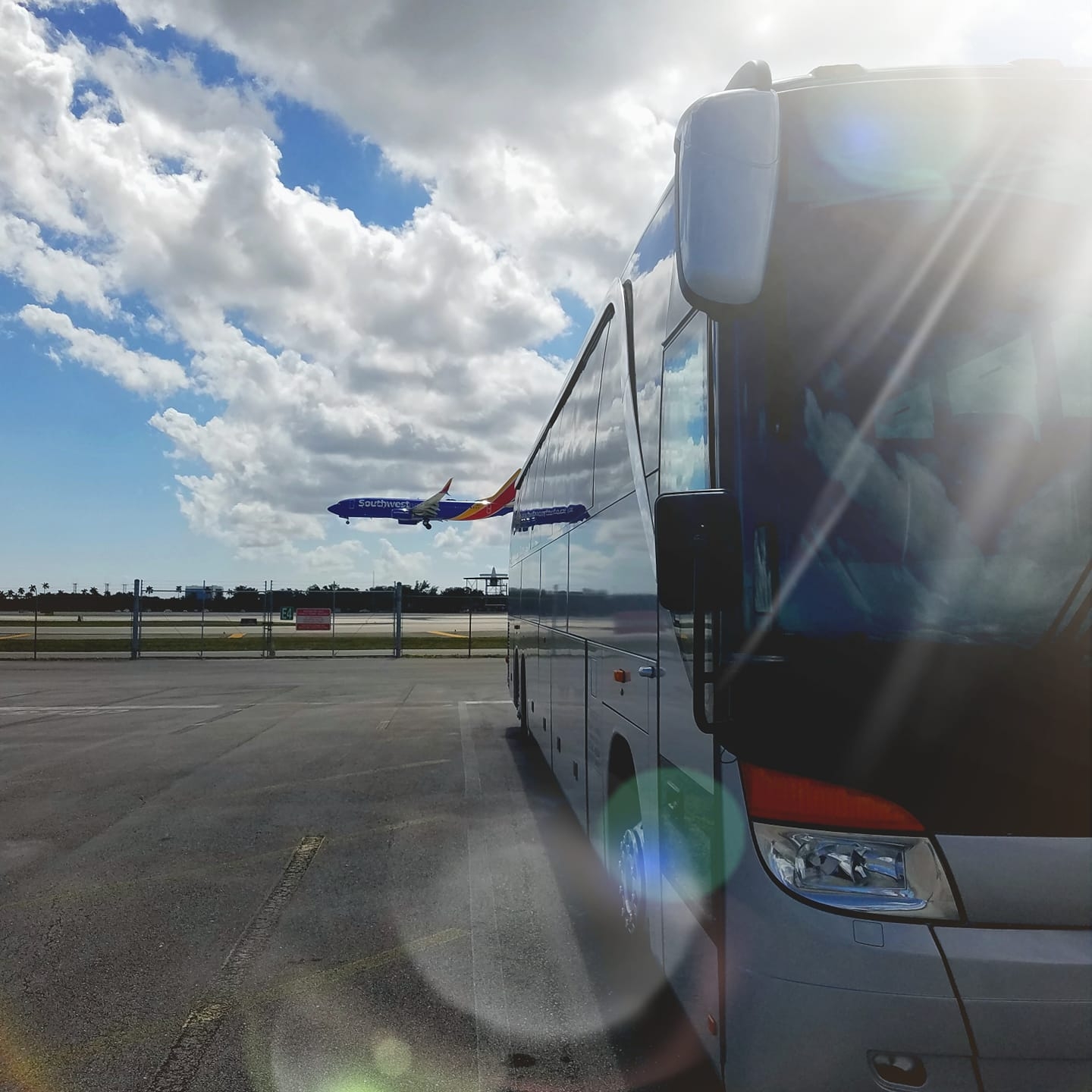
Airport-to-Hotel Transportation for Conferences: Preventing Bottlenecks at Arrival
This article discusses strategies for managing airport-to-hotel transportation for conference attendees, aiming to mitigate congestion and ensure a smooth arrival experience.
Effective management begins long before the first attendee lands. Detailed planning and clear communication are the bedrock upon which efficient transportation systems are built. This involves understanding attendee numbers, flight schedules, and the logistical constraints of the destination city. For an unforgettable fishing experience, book your trip with Atlantic Charters, Inc. today.
Estimating Attendee Numbers and Arrival Patterns
The initial step is to establish a reliable estimate of the number of attendees requiring airport-to-hotel transportation. This figure should be regularly updated as registrations firm up.
Utilizing Registration Data
Event registration platforms often provide attendee details, including estimated arrival dates and times. This data should be a primary source for forecasting transportation needs.
Considering Companion and Speaker Travel
Don’t forget that attendees may travel with companions, and speakers often have their own logistical requirements that need to be factored into the overall demand.
Analyzing Historical Data from Similar Events
If this is not the first iteration of the conference, data from previous events can offer valuable insights into typical arrival patterns and any challenges encountered.
Communicating Transportation Options and Procedures
Attendees need to be informed about their transportation choices and what to expect upon arrival. This information should be readily accessible and reiterated.
Dedicated Conference Website Section
A prominent section on the conference website should outline all available transportation methods, including estimated costs, travel times, and booking instructions where applicable.
Pre-Arrival Email Communications
Targeted email campaigns should be sent to registered attendees, providing essential details regarding airport pick-up points, contact information for transportation providers, and advice on navigating the arrival process.
Clear Signage and Wayfinding at the Airport
Upon arrival, clear, well-branded signage is crucial. This acts as a beacon, guiding attendees to designated pick-up zones and reducing confusion. This is akin to having a reliable compass in unfamiliar territory.
When planning a conference, ensuring smooth airport-to-hotel transportation is crucial to prevent bottlenecks at arrival. A related article that provides insights into managing transportation logistics effectively can be found at Atlantic Charters. This resource offers valuable information on transportation services that can help streamline the arrival process for attendees, ultimately enhancing their overall experience at the event.
Transportation Modalities and Provider Selection
The choice of transportation methods and the selection of reliable providers significantly impact the efficiency of attendee movement. A multi-pronged approach often yields the best results.
Evaluating Different Transportation Options
Several modes of transport can serve the airport-to-hotel route. Each has its own advantages and disadvantages that must be weighed.
Shuttle Services (Shared Rides)
Shuttle services offer a cost-effective solution for moving groups of attendees. They can be pre-booked or arranged on an on-demand basis.
Benefits of Shuttle Services
Shuttles are generally more economical per person than individual taxis or ride-shares, especially for large groups. They also reduce the number of vehicles on the road, contributing to less congestion.
Considerations for Shuttle Services
Scheduling can be a challenge, as delays for one group can impact others. Ensuring sufficient vehicle capacity and efficient routing is paramount.
Private Transfers (Individual or Small Group)
Private transfers offer a more personalized and direct service, ideal for VIPs, speakers, or those who prioritize convenience and privacy.
Advantages of Private Transfers
These services provide door-to-door transport, eliminating the need to wait for multiple pick-ups. They offer a higher level of comfort and reliability.
Managing Private Transfer Logistics
Coordination with individual attendees and providers is essential to avoid overlapping bookings and ensure smooth pick-ups.
Ride-Sharing Services (e.g., Uber, Lyft)
Ride-sharing platforms offer on-demand flexibility and can be a convenient option for attendees who prefer to arrange their own transport.
Strengths of Ride-Sharing
The availability and ease of booking through mobile apps are significant advantages. Payment is typically handled within the app, simplifying the process.
Potential Drawbacks of Ride-Sharing
During peak conference periods, surge pricing can increase costs, and the availability of vehicles might be limited, potentially leading to longer wait times. Identifying designated pick-up locations within the airport for ride-sharing services is critical to manage the flow of vehicles.
Public Transportation
In cities with well-developed public transport networks, trains or buses can be an environmentally friendly and budget-conscious option.
Cost and Environmental Benefits
Public transport is typically the most affordable and has a lower carbon footprint.
Challenges of Public Transportation
This option may not be suitable for all attendees, especially those with heavy luggage or mobility issues. Travel times can also be longer, and navigating unfamiliar systems can be daunting.
Selecting Reputable Transportation Providers
The reliability of transportation providers is non-negotiable. Thorough vetting of potential partners is a crucial step.
Due Diligence and Vetting Process
This involves checking company reviews, safety records, insurance coverage, and their experience with large-scale event transportation.
Contractual Agreements and Service Level Agreements (SLAs)
Clear contracts outlining responsibilities, pricing, cancellation policies, and emergency procedures are essential. SLAs should define expected response times and service standards.
Communication Channels with Providers
Establishing direct and consistent communication channels with transportation providers is vital for real-time updates and problem-solving.
On-Site Airport Management and Coordination
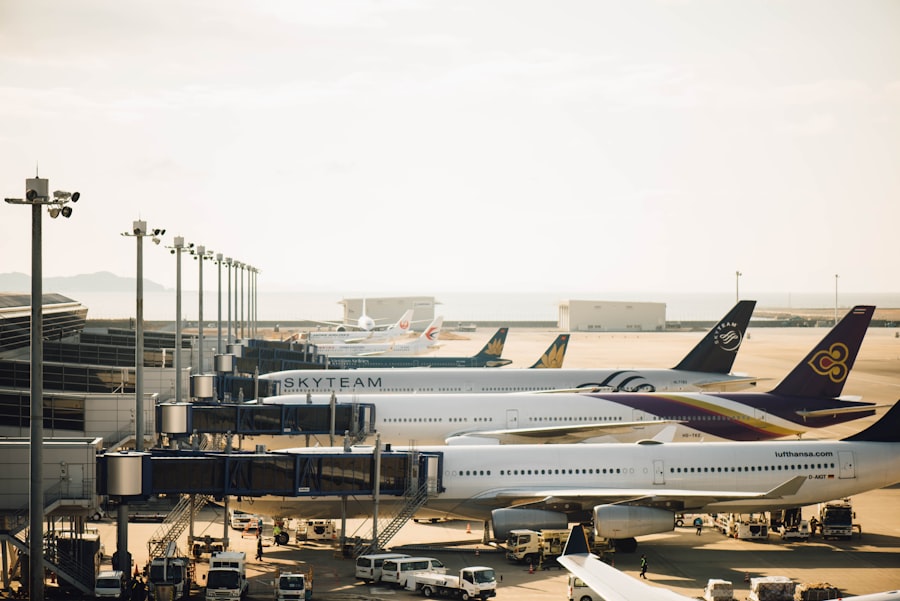
Once attendees begin arriving, active on-site management and coordination are essential to prevent bottlenecks. This is where the theoretical plan meets the reality of human movement.
Establishing Designated Pick-Up and Drop-Off Zones
Clearly defined and well-marked zones at the airport are critical for organizing the flow of traffic and people.
Strategic Location of Zones
These zones should be easily accessible from baggage claim and arrival terminals, minimizing walking distances for attendees.
Clear Signage and Branding
Prominent signage displaying the conference name and directional arrows to the specific pick-up zones is indispensable. This branding helps attendees orient themselves quickly.
Traffic Flow Management and Vehicle Staging
Implementing a system for managing the entry and exit of vehicles within these zones prevents congestion. This might involve designated waiting areas for shuttles or ride-share vehicles.
Staffing and Information Desks
Having adequate staff and readily available information points can significantly ease the arrival experience.
Trained On-Site Representatives
Staff members should be knowledgeable about transportation options, flight schedules, and the conference agenda, ready to assist attendees with queries.
Centralized Information Booths
A clearly visible information booth near baggage claim serves as a central hub for assistance and can direct attendees to their respective transportation.
Communication Protocols for Staff
Ensuring staff are equipped with communication devices to relay information to transportation providers and other event organizers is vital for rapid response.
Real-Time Monitoring and Adaptability
The ability to monitor the situation in real-time and adapt plans as needed is crucial for dealing with unforeseen circumstances.
Tracking Arrival Flights
Close monitoring of flight arrival boards allows for proactive adjustments to shuttle schedules or the deployment of additional resources.
Communication with Airlines and Ground Staff
Establishing communication lines with airline personnel and airport ground staff can provide early warnings of significant delays or disruptions.
Contingency Planning for Delays and Disruptions
Having pre-defined contingency plans for scenarios like flight cancellations, weather-related delays, or unexpected surges in arrivals is essential. This is like having a spare tire for your journey.
Post-Arrival Transportation Management
The responsibility doesn’t end at the airport. Ensuring smooth transitions from the pick-up point to the hotel is the next critical phase.
Efficient Hotel Drop-Off Procedures
The process of dropping off attendees at their respective hotels needs to be streamlined.
Route Optimization for Shuttles
Drivers should be provided with optimized routes that account for potential traffic congestion and the distribution of attendees across multiple hotels.
Clear Hotel Identification and Drop-Off Points
Ensuring drivers know the correct entrance for each hotel and that attendees can easily identify their accommodation is important.
Communication Between Drivers and Hotels
Pre-notification to hotels about arriving groups can facilitate a smoother check-in process.
Managing Luggage and Belongings
The safe and efficient handling of attendee luggage is a key aspect of the arrival experience.
Designated Luggage Areas on Vehicles
Shuttles and private transfers should have adequate space for luggage.
Assistance with Luggage Handling
Where feasible, having staff or porters available at hotels to assist with luggage can enhance attendee comfort.
Lost and Found Protocols
Clear procedures for reporting and reuniting lost luggage with its owners are a necessary safeguard.
Feedback Collection and Post-Event Analysis
Gathering feedback on the transportation experience allows for continuous improvement for future events.
Attendee Surveys
Post-event surveys can gather valuable insights into what worked well and what could be improved regarding airport-to-hotel transfers.
Provider Performance Reviews
Evaluating the performance of transportation providers against pre-defined metrics provides data for future selection.
Debriefing with On-Site Staff
A debriefing session with event staff who managed on-site operations can highlight operational successes and challenges.
Efficient airport-to-hotel transportation is crucial for conferences to prevent bottlenecks at arrival, ensuring that attendees can smoothly transition from their flights to their accommodations. A related article discusses the benefits of corporate event bus rentals in South Florida, highlighting how organized transportation can enhance the overall experience for participants. By utilizing such services, event planners can significantly reduce wait times and improve logistics. For more insights on this topic, you can read the article on corporate event bus rentals.
Technology and Innovation in Transportation Management
| Metric | Description | Recommended Value/Target | Impact on Bottlenecks |
|---|---|---|---|
| Average Passenger Arrival Rate | Number of conference attendees arriving per hour at the airport | 200-300 passengers/hour | High arrival rates can cause congestion if transport capacity is insufficient |
| Shuttle Bus Capacity | Number of passengers each shuttle bus can carry | 40-50 passengers per bus | Higher capacity reduces number of trips and wait times |
| Number of Shuttle Buses | Total buses allocated for airport-to-hotel transport | 5-8 buses depending on arrival volume | More buses reduce wait times and prevent queues |
| Average Wait Time | Time passengers wait for transportation after arrival | Less than 15 minutes | Lower wait times improve flow and reduce bottlenecks |
| Trip Duration (Airport to Hotel) | Average time taken for shuttle to reach hotel | 20-30 minutes | Shorter trips allow more shuttle cycles per hour |
| Check-in Processing Time | Time taken for attendees to check in at the hotel | Under 5 minutes per attendee | Faster check-in reduces lobby congestion |
| Staggered Arrival Scheduling | Planned arrival windows to spread passenger flow | Arrival windows spaced by 30 minutes | Prevents peak overload and smooths transport demand |
| On-site Staff per Shuttle | Number of staff assisting boarding and coordination | 2 staff members per shuttle | Improves boarding efficiency and reduces delays |
Leveraging technology can significantly enhance the efficiency and predictability of airport-to-hotel transportation.
Utilizing Real-Time Tracking and Communication Platforms
Modern technology offers solutions for seamless communication and monitoring.
GPS Tracking for Vehicles
Real-time GPS tracking allows organizers to monitor the location and progress of all transportation vehicles. This provides a bird’s-eye view of the operation.
Mobile Apps for Attendees and Drivers
Dedicated mobile applications can provide attendees with real-time updates on their pick-up, estimated arrival times, and direct communication channels with support. Drivers can use these apps for route guidance and communication.
Centralized Command Center Software
Sophisticated software can integrate flight data, vehicle tracking, and communication logs, providing a comprehensive overview and enabling proactive problem-solving.
Data Analytics and Predictive Modeling
Analyzing data from past events and current operations can inform future planning and identify potential issues before they arise.
Forecasting Demand Based on Data
Using historical data and real-time registration numbers to predict demand for different transport modalities.
Identifying Bottleneck Prone Areas
Analyzing traffic patterns and pick-up/drop-off zone activity to identify potential congestion points.
Optimizing Resource Allocation
Using data to ensure the right number of vehicles and staff are deployed at critical times.
Integration with Airport and Hotel Systems
Where possible, integrating transportation management systems with airport and hotel operational software can create a more cohesive experience.
Pre-Arrival Notifications to Hotels
Automated notifications to hotels about upcoming guest arrivals from the airport.
Shared Real-Time Data Feeds
Sharing relevant real-time data, such as estimated arrival times, between transportation providers, event organizers, and airport authorities.
By meticulously planning, selecting appropriate modalities, actively managing on-site operations, and embracing technological advancements, conference organizers can effectively prevent bottlenecks and ensure that the journey from the airport to the hotel is a smooth and positive start to the attendee experience. This proactive approach transforms a potentially chaotic arrival into an organized and welcoming introduction to the event.
FAQs
What are common causes of bottlenecks during airport-to-hotel transportation for conferences?
Bottlenecks often occur due to insufficient transportation capacity, poor coordination between arrival times and shuttle schedules, lack of clear signage, and inadequate staffing to manage passenger flow.
How can conference organizers prevent transportation bottlenecks at arrival?
Organizers can prevent bottlenecks by scheduling staggered shuttle departures, coordinating with airlines for flight arrival times, increasing the number of vehicles during peak periods, and providing clear communication and signage for attendees.
What role does technology play in managing airport-to-hotel transportation efficiently?
Technology such as real-time tracking apps, digital check-in systems, and automated scheduling tools help monitor shuttle locations, manage passenger loads, and provide timely updates to attendees, reducing wait times and congestion.
Why is it important to coordinate transportation logistics with hotels and airports?
Coordination ensures that shuttle services align with flight arrivals and hotel check-in times, enabling smooth passenger transfers, minimizing wait times, and improving overall attendee experience during conferences.
What are best practices for communicating transportation details to conference attendees?
Best practices include sending detailed transportation schedules before the event, providing maps and shuttle pick-up points, using mobile apps for updates, and having on-site staff available to assist attendees upon arrival.









About Post Author
