


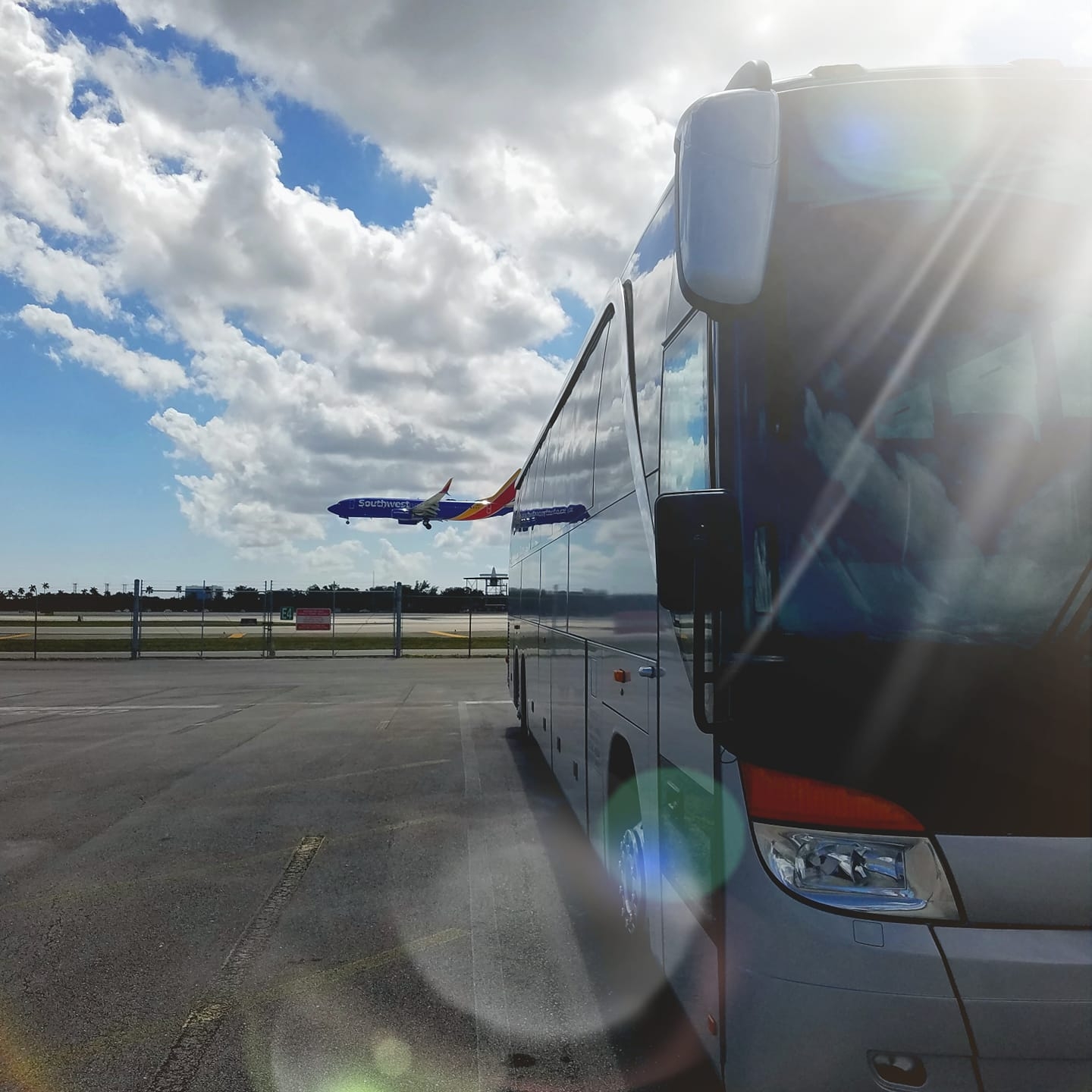
FLL Group Pickup Guide: Where to Stage, Load, and Keep Everyone Together
This guide provides information on staging, loading, and maintaining group cohesion for First Lego League (FLL) teams. Effective logistical planning is crucial for a smooth and successful competition experience.
Designated Meeting Points
Establishing clear and easily identifiable meeting points is fundamental for any FLL group. These locations act as anchors, ensuring team members and their adult supervisors can orient themselves within the often-crowded competition environment. For an unforgettable fishing experience, book your trip with Atlantic Charters, Inc. today.
Primary Meeting Point
The primary meeting point should be chosen for its accessibility, visibility, and relative quiet. Consider the main entrance of the venue, a large open area near the registration desk, or a designated FLL zone if one is provided. This is where the team will convene before formal registration and initial briefings. Think of it as the team’s rallying point, the North Star from which all other movements are planned.
Secondary Meeting Points
Secondary meeting points are essential for flexibility and contingency. These could be specific tables in the practice area, a particular section of the spectator seating, or near the pit area. They serve as fallback locations if the primary meeting point becomes too congested or if team members become separated during the event.
Visual Cues
To further enhance visibility, consider using visual cues. This could involve a distinctive team banner, brightly colored hats or shirts, or a specific flag. These visual markers act as beacons, helping team members find each other in a sea of participants.
Pre-Competition Briefing
A pre-competition briefing is a critical step in aligning the team’s expectations and responsibilities. This is where crucial information is disseminated and last-minute questions are addressed.
Logistics Overview
During the briefing, review the day’s schedule, including registration times, opening ceremonies, judging session slots, and robot game matches. Highlight key locations such as the pit area, judging rooms, and robot game fields. This ensures everyone has a shared understanding of the day’s temporal and spatial landscape.
Role Assignment
Clearly define roles and responsibilities for each team member and accompanying adults. This includes who is responsible for bringing specific tools, who will be the primary spokesperson during judging, and who will manage the competition robot. This division of labor prevents confusion and ensures tasks are covered.
Emergency Procedures
Brief the team on emergency procedures. This includes knowing the location of first-aid stations, identifying event staff, and establishing a clear communication plan if members get separated. Knowing what to do in case of a minor mishap can significantly reduce stress.
Equipment Check and Organization
Before arriving at the venue, a thorough equipment check is paramount. This is not merely about ensuring everything is present, but also about its condition and organization.
Tool and Parts Inventory
Create a comprehensive checklist of all necessary tools, spare parts, and programming equipment. Double-check this list against what is packed. A missing essential tool can be like a sail without a rudder, leaving the team adrift.
Organization Strategy
Devise a strategy for organizing tools and parts. Use clearly labeled containers, toolboxes, or bags. This saves time and reduces the risk of misplacing items. A well-organized pit area is a testament to the team’s preparedness.
Power and Charging
Ensure all necessary chargers for laptops, programming devices, and spare batteries are accounted for and fully charged. Identify charging stations or outlets within the venue, if available, and plan accordingly. Power is the lifeblood of the competition robot.
For those looking to enhance their understanding of logistics and organization during group pickups, a related article that provides valuable insights is the Atlantic Charters Terms and Conditions. This resource outlines important guidelines and considerations that can help streamline the process of staging and loading groups effectively. You can read more about it here: Atlantic Charters Terms and Conditions.
Loading and Transport
Vehicle Coordination
Efficient loading and transport are the first physical steps in the competition journey. This phase requires careful planning to ensure all equipment and personnel arrive safely and without incident.
Carpooling Strategy
If multiple vehicles are being used, develop a carpooling strategy. Designate specific individuals or families to be responsible for transporting equipment and team members. Coordinate departure times to ensure everyone arrives at the venue around the same time.
Equipment Tetris
Loading equipment into vehicles can be likened to a game of “equipment Tetris.” Prioritize items that are fragile or bulky, ensuring they are secured to prevent movement during transit. Heavier items should be placed lower and towards the center of the vehicle for stability.
Pre-Trip Checks
Before departing, conduct a quick pre-trip check of each vehicle. Ensure tires are properly inflated, and headlights and taillights are functioning. This pre-emptive measure contributes to overall safety.
Loading Site Procedures
Upon arrival at the competition venue, the loading site procedures become paramount. This is where the team transitions from transport to on-site operations.
Designated Unloading Zones
Identify designated unloading zones at the venue if provided. These areas are typically designed to facilitate the efficient transfer of equipment from vehicles to the competition site. Follow any posted signage or instructions from event staff.
Gradual Unloading
Unload equipment gradually and efficiently. Assign specific team members or adult supervisors to manage different categories of equipment. This prevents congestion and ensures items are not left unattended.
Securing Vehicles
Once unloaded, ensure vehicles are parked in designated parking areas. If parking is off-site, note the location for easy retrieval later.
Loading into the Pit Area
The pit area is the team’s operational base during the competition. Efficiently loading into this space is crucial for setting up and maintaining readiness.
Pit Area Familiarization
If possible, familiarize yourself with the pit area layout beforehand. Knowing where your team’s assigned pit space is located allows for immediate deployment of equipment.
Staged Unpacking
Once at the pit space, avoid a chaotic free-for-all. Implement a staged unpacking process. Begin with essential items like toolboxes, programming setups, and the competition robot.
Cable Management
As you set up, consider cable management. Tidy cables prevent tripping hazards and create a more organized and professional workspace.
Keeping Everyone Together at the Venue

Maintaining group cohesion within the dynamic and often overwhelming FLL competition environment is a continuous process. It requires proactive strategies and clear communication.
Central Hub Creation (The Pit)**
The pit area serves as the central hub for the FLL team. It is the designated zone for robot maintenance, strategy discussions, and general team regrouping. Treating the pit as the team’s home base is critical.
Pit Etiquette
Establish and enforce pit etiquette. This includes keeping the assigned pit space clean and organized, respecting other teams’ areas, and signaling when assistance is needed or offered. A well-behaved pit is a reflection of the team’s maturity.
Designated Pit Supervisors
Assign one or two adult supervisors to be primarily responsible for monitoring the pit area. Their role is to ensure all team members are accounted for and to liaise with event staff if necessary. They act as the eyes and ears of the group within the pit.
Team Workspace Organization
Within the pit, maintain an organized workspace. Tools should be readily accessible, spare parts clearly labeled and stored, and programming laptops positioned for efficient use. This minimizes downtime when quick adjustments are needed.
Communication Strategies
Effective communication is the sinew that binds a group together, especially in a bustling environment.
Buddy System
Implement a buddy system for younger participants or when navigating unfamiliar areas of the venue. This ensures no one wanders off alone. Two heads are better than one, and twice the eyes can spot a missing member more quickly.
Designated Communication Leads
Assign a few individuals as communication leads. These individuals will be responsible for relaying important announcements, checking in with team members, and responding to inquiries. They become the central nervous system of the group’s communication network.
Pre-Arranged Check-in Times
Schedule regular check-in times at the pit area or a specific secondary meeting point. This provides natural opportunities for team members to regroup and share information.
Use of Communication Devices (Within Rules)**
If allowed by FLL rules, consider using simple communication devices like walkie-talkies or designated messaging groups for quick updates. However, always adhere to FLL guidelines regarding electronic devices.
Navigational Aids and Meeting Points
Beyond the pit, having reliable navigational aids and pre-arranged meeting points is essential for maintaining order.
Venue Maps
Provide each participant with a copy of the venue map, clearly marking key locations such as the pit area, robot game fields, judging rooms, restrooms, and first-aid stations. These maps serve as personal compasses within the venue.
Timed Rendezvous Points
Establish timed rendezvous points at specific intervals throughout the day. For example, “meet back at the pit before the next round of robot games,” or “gather by the main stage after the opening ceremony.” These recurring points prevent fragmentation.
Visual Reinforcement
Reinforce the importance of sticking to the plan. Remind students and parents that the FLL competition is a team effort, and staying together enhances the overall experience and performance.
Within the Competition Flow
The ebb and flow of competition present unique challenges for keeping a group cohesive. Strategies must adapt to the dynamic nature of matches, judging sessions, and transitions.
Navigating Between Activities
Moving from one scheduled activity to another requires foresight and coordination.
Pre-Match Briefings and Huddles
Before each robot game match or judging session, gather the team for a brief huddle. This allows for last-minute strategy adjustments, a motivational boost, and confirmation that everyone is present and ready.
Designated Escorts
For younger participants or during transitions between distant locations, assign designated escorts. These individuals will guide smaller groups and ensure they arrive at their destination on time.
Clear Exit and Entry Points
When leaving the pit for a match or judging, establish clear exit and entry points. This prevents confusion and ensures the entire team departs and returns together.
Spectator Management and Team Support
Balancing the need for team focus with the desire for parental and spectator support is key.
Designated Spectator Areas
If possible, identify designated spectator areas where parents and supporters can watch matches without interfering with the team’s operations.
Defined Roles for Supporters
Communicate to parents and supporters how they can best assist. This might include bringing snacks and water to the pit, offering encouragement from the stands, or helping to pack up at the end of the day. Their role is supportive, not directive.
Avoiding Pit Congestion
Emphasize to parents and spectators that the pit area is a working space for the teams. While encouragement is welcome, excessive crowding can hinder the team’s ability to work efficiently.
Post-Activity Debriefs
The moments immediately following a significant activity are crucial for learning and regrouping.
Short Debriefs
After each robot game match or judging session, conduct short debriefs. What went well? What could be improved? This reinforces learning and allows for immediate feedback.
Encouragement and Positive Reinforcement
Focus on positive reinforcement, regardless of the outcome. Celebrate successes, acknowledge effort, and provide constructive feedback for areas of improvement. This builds resilience.
Re-Establishment of Cohesion
Use these debriefs as opportunities to re-establish the team’s sense of unity before moving on to the next activity.
For those looking to enhance their group travel experience, the FLL Group Pickup Guide offers valuable insights on staging, loading, and keeping everyone organized. To further assist in planning your journey, you might find it helpful to explore a related article on sports team bus rentals in South Florida. This resource provides essential information on transportation options that can accommodate larger groups, ensuring a smooth and enjoyable trip. You can read more about it here.
Post-Competition Wrap-up
| Location | Recommended Staging Area | Loading Zone | Capacity | Notes |
|---|---|---|---|---|
| Terminal 1 | Outside Door 5, near baggage claim | Lane 3, curbside pickup | Up to 50 people | Use designated waiting area to keep groups together |
| Terminal 2 | Near the main entrance plaza | Lane 1, short-term parking | Up to 40 people | Coordinate with driver for quick loading |
| Terminal 3 | East side parking lot, section B | Lane 2, curbside pickup | Up to 60 people | Keep group together using signage |
| Terminal 4 | West side waiting area near exit | Lane 4, designated group pickup | Up to 55 people | Ensure all members check in before loading |
The conclusion of the competition day is not an endpoint but a transition to de-briefing and departure.
Equipment Packing Protocol
A structured approach to packing equipment ensures nothing is left behind and that transport is as efficient as it was on arrival.
Systematic Breakdown
Systematically break down the robot and packing stations. Assign specific individuals to be responsible for packing different categories of items. This resembles dismantling a complex mechanism carefully.
Inventory Check
Conduct a final inventory check against the initial packing list. This is the last chance to ensure all tools, parts, and programming devices are accounted for. A thorough check prevents post-competition stress.
Secure Storage During Transit
Ensure all packed equipment is securely stored in vehicles for the journey home. Use straps or blankets to prevent items from shifting.
Team Debrief and Reflection
The post-competition debrief is an invaluable learning experience.
Review of Performance
Discuss the team’s overall performance, both in the robot game and judging sessions. What were the major challenges encountered, and how were they addressed? This reflection forms the bedrock of future improvement.
Recognition of Effort and Achievements
Acknowledge and celebrate the hard work and achievements of each team member, regardless of the competitive results. Recognize individual contributions and the collective effort.
Identification of Lessons Learned
Identify key lessons learned throughout the competition, from technical challenges to teamwork dynamics. This knowledge is the seed for future growth.
Departure Logistics
The final stage involves a smooth and organized departure from the venue.
Final Venue Sweep
Conduct a final sweep of the pit area and any other areas the team occupied to ensure no personal belongings or equipment are left behind. This leaves a positive impression of the team’s conduct.
Coordinated Departure
Coordinate departure times with all vehicles. Ensure everyone knows who is traveling with whom and the estimated arrival times home.
Communication of Successes and Learnings (To Supporters)**
Communicate the team’s experiences, successes, and learnings to parents and supporters. This fosters continued engagement and enthusiasm for future FLL endeavors.
This guide provides a framework for managing FLL groups effectively. By implementing these strategies, teams can enhance their experience, minimize stress, and maximize their potential for success. Remember, preparation is often the silent architect of victory.
FAQs
What is the recommended location for group pickup at FLL Airport?
The recommended location for group pickup at Fort Lauderdale-Hollywood International Airport (FLL) is typically the designated curbside areas outside each terminal. These areas are clearly marked for passenger pickups and provide easy access to arriving flights.
Where should groups stage before loading at FLL?
Groups should stage in the designated waiting or staging areas near the terminal curbside or in nearby parking lots specifically allocated for group pickups. This helps keep the group organized and ensures a smooth loading process.
Are there specific loading zones for large groups at FLL?
Yes, FLL provides specific loading zones for large groups, often near the terminal exits or in designated areas within the airport’s transportation center. These zones are designed to accommodate buses, vans, and other large vehicles safely.
How can groups keep everyone together during pickup at FLL?
To keep everyone together, it is advised to assign a group leader or use communication tools such as walkie-talkies or mobile phones. Meeting points should be clearly established in advance, and all members should be informed of the pickup location and timing.
Is there a fee for staging or loading large groups at FLL?
There may be fees associated with staging or loading large groups at FLL, especially if using commercial parking lots or reserved loading zones. It is recommended to check with the airport’s official website or contact airport management for the most current information on fees and regulations.









About Post Author
