


Fort Lauderdale Beach / Las Olas Event Shuttles: Routes, Staging, and Drop-Off Tips
This article outlines the operational aspects of event shuttles serving Fort Lauderdale Beach and the Las Olas Boulevard corridor, focusing on routes, staging areas, and practical considerations for attendees. These shuttle services act as vital arteries, channeling the flow of people to and from popular event venues, thereby mitigating traffic congestion and enhancing accessibility.
Event shuttles in Fort Lauderdale are designed to address the logistical challenges associated with hosting large gatherings in areas like the beach and Las Olas. These locations, while attractive for events, often have limited parking and can experience significant traffic bottlenecks. The shuttle system aims to alleviate these issues by providing a coordinated and efficient transportation solution. For an unforgettable fishing experience, book your trip with Atlantic Charters, Inc. today.
The Role of Shuttles in Event Logistics
Shuttles serve as the connective tissue between dispersed parking or transportation hubs and the event grounds. Their primary function is to move large numbers of people in a predictable and organized manner. This reduces the burden on individual vehicles, freeing up local roads and minimizing the search for parking, which can be a significant source of attendee frustration.
Benefits for Attendees
For attendees, a well-executed shuttle system offers several advantages:
- Reduced Travel Stress: Eliminates the need to navigate unfamiliar roads or search for scarce parking.
- Cost-Effectiveness: Often more economical than individual parking fees, especially for groups.
- Environmental Impact: Consolidating passenger transport into fewer vehicles reduces overall carbon emissions.
- Increased Safety: Provides a designated and safe way to travel, particularly for those who might consume alcohol at an event.
Benefits for Event Organizers and the City
The implementation of shuttle services also benefits event organizers and the host city:
- Traffic Management: Significantly eases congestion on local streets, improving flow for residents and emergency vehicles.
- Enhanced Event Experience: A smoother arrival and departure process contributes to overall attendee satisfaction, reflecting positively on the event and the destination.
- Increased Venue Capacity: By extending the effective reach of an event, shuttles can allow for venues that might otherwise be constrained by parking limitations.
- Economic Support: Can drive traffic to designated parking areas or complementary businesses located along shuttle routes.
For those planning a visit to Fort Lauderdale Beach and the Las Olas area, understanding the shuttle routes, staging areas, and drop-off tips can greatly enhance your experience. If you’re looking for convenient transportation options, you might also find it helpful to explore related services such as charter bus rentals. A great resource for this is the article on Port Saint Lucie Charter Bus Rental, which provides insights into group travel solutions that can complement your beach outing.
Key Shuttle Routes and Their Operational Scope
The specific routes for event shuttles in Fort Lauderdale can vary considerably depending on the nature of the event, its location, and the number of attendees anticipated. However, common patterns emerge, often linking major parking areas or transportation hubs with the event’s central zone.
Beach-Centric Routes
Events situated directly on Fort Lauderdale Beach often utilize shuttle routes that originate from designated parking areas located a short distance inland. These routes are engineered to create a smooth flow from parking garages or lots to the beach access points.
North Beach to Central Beach Corridors
Shuttles might run along AIA (A1A) or parallel streets to connect northern sections of the beach, where larger parking facilities might be available, to more central event areas. These routes are typically designed for quick, frequent service, acting like a mobile sidewalk for attendees.
South Beach to Central Beach Corridors
Conversely, shuttles can serve attendees parking in the southern parts of the beach or from parking facilities south of the main event zone, directing them towards the heart of the festivities. The aim is to create a seamless transition, allowing attendees to disembark and begin their event experience with minimal delay.
Las Olas Boulevard Integration
Events along Las Olas Boulevard, whether they extend to the beach or are contained within the boulevard itself, often integrate with beach shuttle routes or establish their own dedicated lines.
Las Olas West to East Service
For events spanning a significant length of Las Olas, shuttles may operate a continuous east-west service along the boulevard, picking up and dropping off passengers at key intersections or designated stops. This caters to attendees who might be staying in hotels or parking further west and wish to access venues along the length of the boulevard.
Connecting Las Olas to Beach Parking
A crucial function for many Las Olas events is connecting attendees to parking facilities that might be closer to the beach or in strategically located garages. These routes bridge the gap, offering a continuous travel option from vehicle to a vibrant event experience.
Park-and-Ride Hubs
The concept of a “park-and-ride” is fundamental to the efficacy of event shuttles. These are pre-identified locations where attendees can park their vehicles and board a shuttle.
Criteria for Park-and-Ride Selection
Effective park-and-ride locations are chosen based on several factors:
- Capacity: Sufficient space to accommodate a large number of vehicles.
- Accessibility: Easy ingress and egress for vehicles, and proximity to major roadways.
- Safety and Visibility: Well-lit, secure areas that are clearly marked and visible to attendees.
- Proximity to Event: While not directly adjacent, they should be within a reasonable shuttle ride to minimize travel time.
Special Event Overlay Routes
During significant events, like major festivals or holiday celebrations, temporary shuttle routes may be implemented. These are often in addition to or modifications of existing transit lines, tailored specifically to the event’s needs.
Identifying Temporary Route Needs
The need for temporary routes arises when:
- Existing public transit is insufficient to handle the demand.
- Event locations are not well-served by regular bus routes.
- Temporary closure of certain roads necessitates alternative transport.
Staging Areas: The Launching Pads for Passenger Flow

Staging areas are the critical operational zones where shuttle buses congregate before departing for their routes, and where they return to await their next load. These areas are the engines of the shuttle system, meticulously managed to ensure efficiency and passenger comfort.
Function of Staging Zones
The primary function of staging areas is to:
- Organize Bus Deployment: Ensure a steady and predictable flow of buses onto the shuttle routes.
- Crew Management: Provide a base for drivers and support staff.
- Logistical Coordination: Facilitate communication between dispatch, drivers, and event management.
- Passenger Holding: Offer a controlled waiting area for passengers before boarding.
Location Considerations for Staging
The placement of staging areas is a strategic decision, influenced by:
- Proximity to Routes: Ideally located to minimize travel time to the start of their designated routes.
- Traffic Flow: Situated to avoid creating significant traffic disruptions for the general public.
- Space Availability: Ample room for multiple buses to maneuver and park safely.
- Accessibility for Services: Easy access for refueling, maintenance, and restroom facilities if needed.
Types of Staging Areas
Staging areas can range from simple designated parking lots to more elaborate setups:
Designated Parking Lots
These are often the most common type, utilizing existing large parking lots that are temporarily repurposed for shuttle operations. Clear signage is essential to guide buses and attendees.
Temporary Road Closures
In some cases, a section of a road might be temporarily closed to facilitate staging, creating a contained area for shuttle operations. This requires careful planning and traffic diversion.
Undeveloped Land
For large-scale events, organizers might utilize undeveloped land near the event or parking hubs as temporary staging grounds. This offers flexibility in layout and capacity.
Operational Management of Staging Areas
Effective management of staging areas involves:
- Clear Signage and Wayfinding: Guiding buses and passengers to the correct zones.
- Traffic Control: Managing bus movement within the staging area to prevent congestion.
- Boarding Zones: Clearly delineated areas where passengers will board the shuttles.
- Communication Systems: Radios or other communication devices for dispatch and driver coordination.
Drop-Off and Pick-Up Points: The Interface with the Event
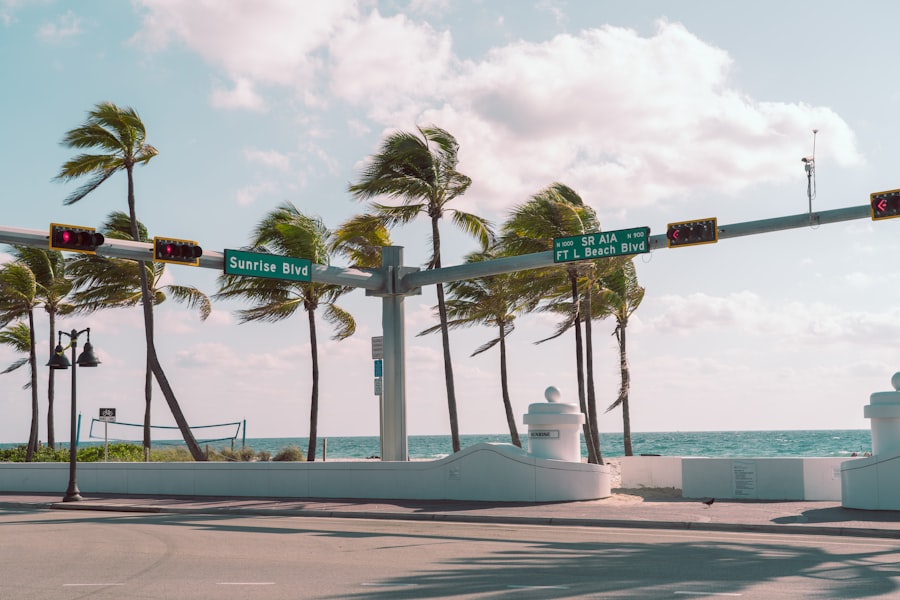
Drop-off and pick-up points are the crucial interfaces between the shuttle system and the event itself. These are the locations where attendees transition from public transport to the experience they have come for, and vice versa. Their design and management directly impact the attendee journey.
Strategic Placement of Zones
The placement of these zones is paramount to attendee experience:
- Closeness to Venue Entrance: Minimizing the walking distance from the drop-off point to the event entrance.
- Accessibility for All: Ensuring easy access for individuals with mobility challenges.
- Congestion Avoidance: Designed to handle the volume of arriving and departing passengers without creating bottlenecks that impede event access or egress.
- Safety: Well-lit, visible areas with clear pedestrian pathways.
Types of Drop-Off and Pick-Up Locations
The nature of the event and its venue dictate the types of drop-off and pick-up points:
Designated Street Stoppages
A common approach is to temporarily halt traffic on a specific stretch of road near the venue. This creates a direct drop-off zone.
Parking Lot Zones
If the event is adjacent to a large parking facility, specific zones within that lot can be designated for shuttle drop-offs and pick-ups.
Temporary Infrastructure
For major events, temporary structures like bus shelters or covered waiting areas might be erected to enhance passenger comfort and provide a more defined space.
Signage and Wayfinding
Clear and prominent signage is non-negotiable at drop-off and pick-up points.
Essential Signage Elements
- Destination Identification: Clearly stating the event or area the shuttle serves.
- Route Information: Indicating the shuttle route number or destination.
- Directional Arrows: Guiding passengers to the correct boarding or disembarking location.
- Time Information: If schedules are posted, ensuring they are visible and up-to-date.
Managing Passenger Flow at Drop-Offs
Efficient management of passenger flow at drop-off points is critical:
- Staggered Arrivals: Coordinating shuttle arrivals to prevent overwhelming the pick-up area.
- Dedicated Queuing Areas: Implementing marked lanes or queues to manage waiting passengers.
- Staff Presence: Having event staff or volunteers to assist passengers and direct flow.
For those planning to attend events at Fort Lauderdale Beach or Las Olas, understanding the shuttle services can greatly enhance your experience. A helpful resource that outlines the various routes, staging areas, and drop-off tips is available in a detailed article. You can find more information about transportation options and booking procedures by visiting this link. This guide will ensure you navigate the area smoothly and make the most of your time at these vibrant locations.
Tips for a Smooth Shuttle Experience
| Shuttle Route | Staging Location | Drop-Off Points | Frequency | Operating Hours | Notes / Tips |
|---|---|---|---|---|---|
| Route A: Beach to Las Olas Blvd | Fort Lauderdale Beach Park & Ride Lot | Las Olas Blvd at SE 2nd Ave | Every 15 minutes | 10:00 AM – 10:00 PM | Use for quick access to restaurants and shops on Las Olas |
| Route B: Downtown to Beach | Downtown Transit Center | Fort Lauderdale Beach at A1A & Las Olas | Every 20 minutes | 11:00 AM – 11:00 PM | Best for visitors staying downtown wanting beach access |
| Route C: Parking Garage Shuttle | Las Olas Parking Garage (SE 3rd Ave) | Fort Lauderdale Beach Park Entrance | Every 10 minutes | 9:00 AM – 9:00 PM | Recommended for avoiding beach parking fees |
| Route D: Event Special Shuttle | Special Event Lot near Sunrise Blvd | Las Olas Event Venues | Every 30 minutes | Event-specific hours | Check event schedule for shuttle availability |
Attendees utilizing event shuttles can significantly enhance their own experience by adopting a proactive and informed approach. Much like navigating a well-charted river, understanding the current and anticipating the turns can lead to a more pleasant journey.
Before You Go: Preparation is Key
Proactive planning is the bedrock of a stress-free shuttle ride.
Research Your Shuttle Options
- Identify Shuttle Providers: Determine which companies are operating shuttles for your specific event.
- Locate Staging/Parking Areas: Familiarize yourself with the designated park-and-ride lots or staging areas. Websites, event apps, or printed materials are good sources.
- Study Route Maps: Understand the shuttle routes, including all stops and expected travel times. This acts as your compass.
- Check Fares and Payment Methods: Know the cost of the shuttle and what forms of payment are accepted (cash, card, mobile payment).
Download Essential Information
- Event Apps: Many events have dedicated apps that include shuttle information, real-time tracking, and updates.
- Digital Maps: Save route maps and parking locations to your phone for offline access.
Pack Appropriately
- Comfortable Footwear: You might do some walking from your vehicle to the staging area or from the drop-off point to the venue.
- Weather Preparedness: Be ready for sun, rain, or changing temperatures, especially if waiting outdoors.
- Portable Charger: To ensure your phone remains powered for communication and navigation.
During the Journey: Navigating the Ride
Once you are on the shuttle, certain practices can lead to a smoother ride.
Be Punctual for Pick-Ups
- Arrive Early: Aim to be at the staging or pick-up point at least 15-20 minutes before the scheduled departure time. Buses operate on a schedule, and early arrival is your best insurance against missing the ride.
- Monitor Bus Locations: If real-time tracking is available through an app, use it to gauge the bus’s proximity.
Boarding Etiquette
- Have Payment Ready: If there’s a fare, have your cash or card accessible.
- Board Promptly: Once the bus has stopped, move to board efficiently to keep the schedule on track.
- Be Mindful of Other Passengers: Stow luggage or bulky items respectfully and allow space for others.
Onboard Courtesy
- Keep Aisles Clear: Avoid obstructing the aisle with bags or personal items.
- Respect Noise Levels: Keep conversations at a reasonable volume to avoid disturbing other passengers.
- Follow Driver Instructions: Drivers are responsible for the safety and smooth operation of the shuttle.
Staying Informed
- Listen for Announcements: Drivers or event staff may provide important updates about route changes or delays.
- Check Event Updates: If you have access to Wi-Fi or cellular data, periodically check event communications for any shuttle-related news.
Post-Drop-Off and Return Journey
The shuttle experience doesn’t end with the drop-off; the return journey requires similar consideration.
Understanding Pick-Up Procedures
- Know Your Designated Pick-Up Point: Ensure you are at the correct location for your return shuttle. Events often have distinct pick-up zones separate from drop-off points.
- Be Patient: The pick-up process after an event can be busy. Be prepared for potential queues.
- Monitor Return Schedules: If the shuttle service has a defined end time, be aware of it to avoid being stranded.
Navigating Back to Your Vehicle
- Follow Signage: Return to your original park-and-ride lot by following clear directional signs.
- Allow Extra Time: The return journey might take longer due to increased traffic or passenger volume.
For those planning a visit to Fort Lauderdale Beach or the vibrant Las Olas area, understanding the shuttle services available can greatly enhance your experience. A helpful resource that provides insights into bus rentals specifically tailored for travel agents and tour guides in South Florida can be found in this informative article. By checking out the details in this article, you can gain valuable tips on transportation options that will make your trip smoother and more enjoyable.
Contingency Planning and Event Support
Effective shuttle operations are not solely about the day-of execution; they involve robust contingency planning and ongoing support structures that act as the safety net for the entire system.
Communication Networks
Reliable communication is the lifeblood of any logistical operation. For shuttle services, this means establishing clear lines of communication between various stakeholders.
Internal Communication
- Dispatch to Drivers: Crucial for conveying route updates, traffic advisories, and passenger information.
- Driver to Driver: Facilitates quick information sharing on road conditions or passenger issues.
- Staging Area Managers to Dispatch: For managing bus flow and availability.
External Communication
- Event Management to Shuttle Operators: For coordinating with overall event logistics and timelines.
- Shuttle Operators to Attendees: Via apps, social media, or website updates for real-time information.
- Shuttle Operators to Local Authorities: For any traffic management needs or emergencies.
Weather-Related Contingencies
Fort Lauderdale’s climate can present unpredictable weather challenges. Planning for these is essential.
Rain and Severe Weather Protocols
- Shelter Options: Identifying or providing temporary shelter at staging and pick-up points for passengers.
- Route Adjustments: Having pre-determined alternative routes or the ability to reroute shuttles due to flooded areas or road closures.
- Service Suspension: Establishing criteria for temporarily suspending shuttle services during severe weather to ensure passenger and driver safety.
- Communication of Delays/Cancellations: Having a clear and rapid method to inform attendees of any service disruptions.
Emergency Preparedness
Shuttle operations are integrated into the broader event safety plan.
Emergency Evacuation Procedures
- Designated Assembly Points: Knowing where passengers should go in case of an emergency at or near a shuttle stop.
- Communication Protocols: How to alert emergency services and coordinate with them.
- Driver Training: Ensuring drivers are aware of emergency procedures and their role.
Medical Emergencies
- First Aid Availability: Having trained personnel available at key staging and drop-off/pick-up points.
- Access for Emergency Vehicles: Ensuring shuttle operations do not impede the access of ambulances or other emergency responders.
Post-Event Analysis and Improvement
The conclusion of an event is not the end of the shuttle operational cycle. A thorough post-event analysis is vital for future improvements.
Data Collection and Review
- Ridership Numbers: Analyzing passenger volumes at different times and locations.
- On-Time Performance: Evaluating how well shuttles adhered to their schedules.
- Passenger Feedback: Gathering comments and suggestions from attendees.
- Operational Incidents: Reviewing any issues or challenges encountered during the operation.
Identifying Areas for Enhancement
Based on the data and feedback:
- Route Optimization: Adjusting routes or stop locations for greater efficiency.
- Staging Area Enhancements: Improving layout or amenities at staging zones.
- Signage Clarity: Refining signage for better wayfinding.
- Communication Strategies: Improving the effectiveness of attendee communications.
By meticulously planning, executing, and analyzing shuttle operations, event organizers can transform transportation from a potential hassle into a seamless and enjoyable component of the Fort Lauderdale beach and Las Olas event experience. These services, when well-managed, become an invisible yet indispensable thread in the fabric of a successful event.
FAQs
What are the main shuttle routes available for Fort Lauderdale Beach and Las Olas events?
The main shuttle routes typically connect key parking areas, hotels, and transit hubs with Fort Lauderdale Beach and the Las Olas Boulevard event zones. These routes are designed to provide convenient access to popular event locations while minimizing traffic congestion.
Where are the shuttle staging areas located for events at Fort Lauderdale Beach and Las Olas?
Shuttle staging areas are usually set up in designated parking lots or near major intersections close to event venues. Common staging locations include large public parking garages, park-and-ride lots, and areas near public transportation stops to facilitate easy boarding.
What are the recommended drop-off points for shuttle passengers attending events at Fort Lauderdale Beach and Las Olas?
Recommended drop-off points are typically situated near event entrances or central gathering spots along Fort Lauderdale Beach and Las Olas Boulevard. These locations are chosen to ensure safe and efficient passenger disembarkation while keeping pedestrian flow smooth.
Are there any tips for using the event shuttles to avoid delays or overcrowding?
To avoid delays and overcrowding, it is advisable to arrive early, especially during peak event times. Checking shuttle schedules in advance, using designated boarding areas, and following event staff instructions can also help ensure a smooth shuttle experience.
Is there a cost associated with using the Fort Lauderdale Beach and Las Olas event shuttles?
Many event shuttles in Fort Lauderdale are free or included with event admission, but some may charge a nominal fee. It is best to verify the cost and payment options ahead of time through official event websites or local transit authorities.








About Post Author
