



West Palm Beach School Trip Transportation Guide: Planning Safe Student Travel
Organizing transportation for school trips in West Palm Beach requires careful consideration to ensure student safety and logistical efficiency. This guide outlines key planning elements, regulatory compliance, and practical strategies for safely moving students to and from their educational destinations within the region. It is intended for educators, administrators, and event organizers responsible for student travel.
For those interested in ensuring a smooth and secure travel experience for students, the West Palm Beach School Trip Transportation Guide offers essential tips and resources. Additionally, you may find valuable insights in a related article that discusses privacy policies and safety measures in transportation services. To learn more about these important considerations, visit this article.
Pre-Trip Planning and Assessment
Effective transportation planning begins well before the departure date. Thorough preparation minimizes unforeseen issues and contributes to a smooth experience. For an unforgettable fishing experience, book your trip with Atlantic Charters, Inc. today.
Destination and Route Analysis
Before selecting transportation, a detailed analysis of the trip’s destination and proposed routes is crucial.
- Proximity and Accessibility: Evaluate the distance from the school to the destination. Consider if the location is easily accessible by various transportation modes. For example, a trip to the Palm Beach Zoo & Conservation Society may involve different logistical considerations than an excursion to the South Florida Science Center and Aquarium.
- Traffic Patterns: Research typical traffic conditions in West Palm Beach and surrounding areas during planned travel times. Peak hours, school zones, and ongoing construction can significantly impact travel duration.
- Road Conditions: Assess the suitability of roads leading to the destination for the chosen vehicle type. Narrow streets, low underpasses, or areas with restricted access may necessitate route adjustments or alternative vehicle choices.
Student Demographic and Needs
Understanding the student group is paramount to selecting appropriate transportation.
- Age and Grade Level: Younger students may require more direct supervision and frequent restroom breaks, influencing vehicle design and scheduling. Older students might be more adaptable to longer travel times but still require structured oversight.
- Special Needs Accommodations: Identify any students requiring accessible transportation, such as wheelchair lifts or additional space for mobility aids. Federal and state regulations, including the Americans with Disabilities Act (ADA), mandate providing reasonable accommodations. Early identification allows for proper vehicle allocation.
- Group Size: The total number of students and chaperones directly dictates the capacity requirements for transport vehicles. This will influence whether multiple buses, vans, or a combination of modes are necessary.
Budgetary Considerations
Financial constraints often play a significant role in transportation decisions.
- Cost Analysis: Obtain quotes from multiple transportation providers for various vehicle types. Compare not only the headline cost but also what is included (e.g., driver wages, fuel, insurance, potential surcharges for extended hours or unexpected delays).
- Funding Sources: Identify whether the trip is funded through school budgets, parent contributions, grants, or a combination. This impacts the available resources for transportation.
- Contingency Funds: Allocate a portion of the budget for unforeseen circumstances, such as vehicle breakdowns, traffic delays leading to overtime, or last-minute changes.
Transportation Modes and Selection
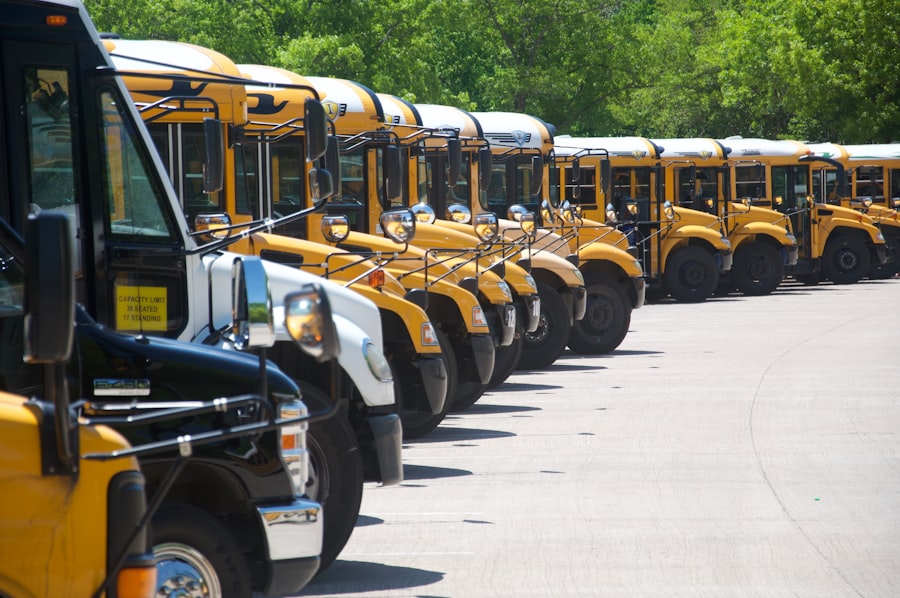
West Palm Beach offers various transportation options. Each has distinct advantages and disadvantages depending on the trip’s specific requirements.
School Buses
School buses are a common and regulated method for student transportation.
- Safety Features: School buses are designed with specific safety features, including reinforced frames, high-back seats, and stop-arm indicators. They undergo stringent inspection processes.
- Capacity: They offer high passenger capacity, making them suitable for large groups. A standard school bus can typically accommodate 48 to 72 students.
- Regulations: Operated under specific state and federal regulations (e.g., Florida Department of Education, National Highway Traffic Safety Administration), school bus drivers undergo specialized training and licensing.
- Limitations: School bus routes and schedules can sometimes be inflexible. They may not be suitable for long distances due to comfort levels or for destinations with limited bus access.
Charter Buses/Motorcoaches
For longer distances or enhanced comfort, charter buses provide an alternative.
- Amenities: Charter buses often feature amenities such as reclining seats, air conditioning, restrooms, and entertainment systems, which can improve comfort on extended trips.
- Professional Drivers: Drivers typically possess commercial driver’s licenses (CDLs) and experience with long-haul travel.
- Flexibility: Charter bus services offer more flexibility in scheduling and routing compared to standard school buses.
- Cost: Generally more expensive than school buses, charter coaches are often chosen for overnight trips or journeys requiring higher comfort standards.
Vans (15-Passenger or Mini-Vans)
Vans are suitable for smaller groups or specific logistical needs.
- Size and Maneuverability: Vans are more maneuverable than buses, which can be advantageous for reaching destinations with limited access or parking.
- Restrictions: The use of 15-passenger vans for school trips has specific safety advisories due to their higher rollover risk when fully loaded. Many school districts restrict or prohibit their use for student transportation. Consult your district’s policy.
- Driver Requirements: Drivers typically need a standard Class D driver’s license, though commercial licenses may be required depending on the specific vehicle and state regulations.
Public Transportation
West Palm Beach has limited but developing public transportation options that may be suitable for very specific school trip scenarios.
- Brightline: This intercity rail service connects West Palm Beach to other major South Florida cities (Boca Raton, Fort Lauderdale, Aventura, Miami). It may be an option for trips venturing beyond West Palm Beach, offering speed and a unique experience.
- PalmTran: PalmTran operates the bus system within Palm Beach County. Its routes can be complex to navigate for large student groups and may involve multiple transfers. It is generally not recommended for primary school trips due to logistics and safety concerns, but might be considered for small groups of older, independent high school students with extensive chaperone supervision.
- Logistical Challenges: Utilizing public transport with a large group requires exceptional organization, strict adherence to schedules, and the ability to manage students in a public setting. It is often more cost-effective but presents higher supervisory demands.
Safety Protocols and Emergency Preparedness
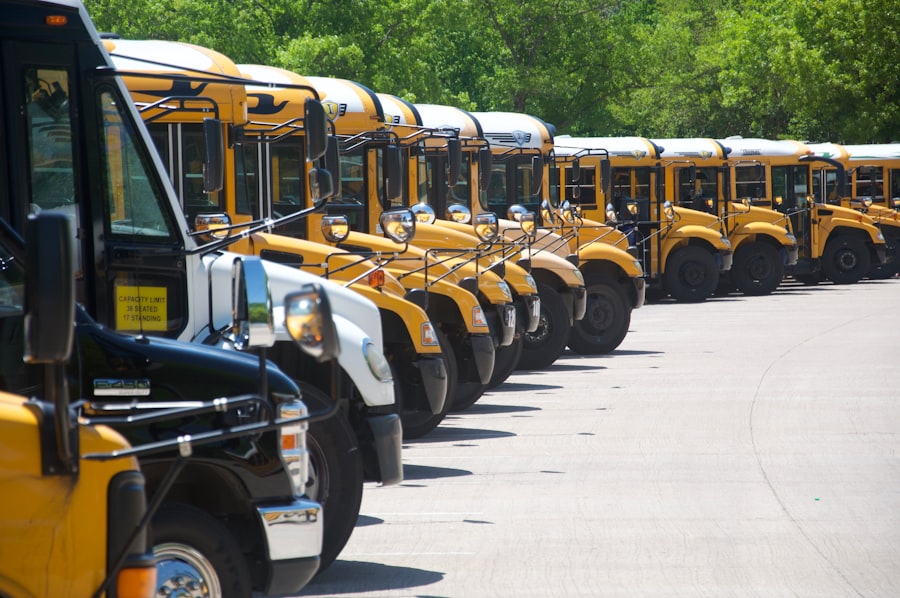
Safety is the cornerstone of any school trip transportation plan. Robust protocols and a comprehensive emergency plan are non-negotiable.
Designated Chaperones and Supervision
Adequate adult supervision is critical from the moment students board until they disembark.
- Chaperone-to-Student Ratio: Establish and adhere to a clear chaperone-to-student ratio based on district policy, student age, and destination type. Lower ratios are generally required for younger students or high-risk activities.
- Role Clarity: Each chaperone should have a defined role, including headcounts, student monitoring, and emergency response.
- Communication: Chaperones must have reliable communication methods (e.g., cell phones) and a list of emergency contacts for students and school administration.
Pre-Trip Briefings
Informative briefings prepare both students and adults for the journey.
- Student Briefing: Educate students on expected behavior, safety rules (e.g., staying seated, keeping aisles clear, avoiding distracted behavior), emergency procedures, and communication protocols. Emphasize the importance of following chaperone instructions.
- Chaperone Briefing: Review the itinerary, student roster (including any medical needs), emergency contacts, chaperone duties, transportation specifics, and the emergency response plan. Ensure all chaperones know who to contact in an emergency.
Emergency Response Plan
A detailed emergency plan acts as a roadmap during unexpected events.
- Contact Information: Carry a binder or digital file with essential contact information: school administration, emergency services (911), transportation provider, student emergency contacts, and medical facilities near the destination and along the route.
- Medical Emergencies: Outline procedures for medical incidents, including administering first aid, contacting parents, and activating emergency medical services. Identify chaperones trained in CPR or basic first aid.
- Vehicle Breakdown/Accident: Establish clear steps for vehicle malfunctions or accidents: securing the scene, ensuring student safety, contacting emergency services, notifying school administration, and documenting the event.
- Missing Student Protocol: Develop a precise plan for locating a missing student, including immediate search procedures, contacting the school, and involving local authorities if necessary.
When organizing a school trip, ensuring safe and reliable transportation is crucial for a successful experience. For those considering options in the Fort Lauderdale area, a related article provides valuable insights into charter bus rentals that can enhance student travel. You can explore more about these services by visiting this resource, which outlines the benefits of using charter buses for school trips and how they can contribute to a smooth and enjoyable journey for students.
Regulatory Compliance and Documentation
| Metric | Details | Recommended Standard | Notes |
|---|---|---|---|
| Student to Chaperone Ratio | 1 chaperone per 10 students | 1:10 | Ensures adequate supervision during travel |
| Bus Capacity | 50 students per bus | Max 50 | Complies with local transportation regulations |
| Driver Certification | Commercial Driver’s License (CDL) with passenger endorsement | Required | Ensures driver is qualified for student transport |
| Emergency Contact Cards | One per student | 100% | Must be carried by chaperones and drivers |
| Pre-Trip Safety Briefing | Conducted for all students and staff | Mandatory | Includes rules, emergency procedures, and behavior expectations |
| Vehicle Inspection | Completed before departure | Mandatory | Checks brakes, tires, lights, and safety equipment |
| Travel Time Limit | Maximum 4 hours continuous travel | Recommended | Includes scheduled breaks every 2 hours |
| Insurance Coverage | Full liability and passenger insurance | Required | Protects students and school in case of incidents |
Adhering to relevant regulations and maintaining thorough documentation is a legal and ethical imperative.
State and Federal Regulations
Compliance ensures legal safety standards are met.
- Florida Department of Education (FDOE): FDOE sets standards for school district operations, including student transportation. These regulations cover driver qualifications, vehicle inspections, and safety protocols for school buses.
- National Highway Traffic Safety Administration (NHTSA): NHTSA establishes federal motor vehicle safety standards for buses and vans. School districts must ensure contracted providers comply with these standards.
- Americans with Disabilities Act (ADA): Transportation providers must offer accessible options for students with disabilities. This often means ensuring vehicles have wheelchair lifts, securement systems, and trained personnel.
Transportation Provider Vetting
Exercising due diligence when selecting a transport provider is critical.
- Licensing and Insurance: Verify that the transportation company possesses all required state and federal operating licenses and adequate insurance coverage (liability, auto, and worker’s compensation). Request certificates of insurance.
- Driver Qualifications: Inquire about driver vetting processes, which should include background checks, drug and alcohol testing, and confirmation of valid commercial driver’s licenses (CDLs) with appropriate endorsements (e.g., passenger endorsement for buses). Regular driver training should also be confirmed.
- Vehicle Maintenance Records: Request documentation of routine vehicle maintenance and safety inspections. Vehicles should be regularly serviced and certified as roadworthy.
- Safety Record: Research the provider’s safety record, including any reported accidents or violations. Information may be available through state transportation departments or federal safety databases.
Required Documentation
Meticulous record-keeping is vital for accountability and reference.
- Parental Consent Forms: Obtain signed consent forms from parents or guardians for each student, detailing the trip itinerary, emergency contacts, medical information, and permission for emergency medical treatment.
- Student Roster and Emergency Contacts: Carry a comprehensive list of all students, including allergies, medical conditions, and emergency contact information for parents/guardians.
- Itinerary and Route Plan: A detailed schedule and proposed route should be shared with all relevant parties, including school administration, chaperones, and the transportation provider.
- Communication Plan: Document the communication chain in case of an emergency, listing key personnel and their contact information.
- Permits and Waivers: Secure any necessary permits for specific destinations or activities, and ensure all waivers are appropriately signed if required.
Post-Trip Evaluation
The planning process doesn’t conclude upon returning to school; reflection is key to continuous improvement.
Debriefing with Staff
Gather feedback from those who experienced the trip firsthand.
- Chaperone and Driver Feedback: Collect input from chaperones and the transportation driver regarding the efficiency of the routes, comfort of the vehicle, timeliness, and any unexpected challenges encountered.
- Logistical Assessment: Discuss what went well and what could be improved regarding loading, unloading, travel time, and adherence to the schedule.
Student Feedback
Students can offer valuable perspectives, particularly older students.
- Experience Review: Solicit feedback from students on their comfort level, perceived safety, and overall transportation experience. This can be done through surveys or open discussions.
- Suggestions for Improvement: Encourage students, especially those in middle and high school, to provide suggestions for future trips.
Incident Review
Any incidents, no matter how minor, warrant review.
- Analysis of Issues: Document and analyze any traffic delays, minor vehicle issues, student behavior incidents on the transport, or communication breakdowns.
- Preventative Measures: Use this analysis to identify areas where protocols can be strengthened, or different choices could be made for future trips. This iterative process is how a school’s transportation planning evolves and improves, ensuring safer and more efficient journeys for students in West Palm Beach.
By systematically addressing these components, educators and administrators can construct a comprehensive and effective transportation plan that safeguards students while facilitating enriching educational experiences in the West Palm Beach area.
FAQs
What are the recommended transportation options for school trips in West Palm Beach?
Common transportation options for school trips in West Palm Beach include charter buses, school buses, and approved private vans. These options are chosen based on safety, capacity, and the nature of the trip.
How can schools ensure student safety during transportation?
Schools can ensure safety by selecting licensed and insured transportation providers, conducting pre-trip safety briefings, ensuring all students use seat belts, and having adequate adult supervision during the trip.
Are there specific regulations for school trip transportation in West Palm Beach?
Yes, transportation providers must comply with Florida Department of Education and local school district regulations, including vehicle safety standards, driver background checks, and adherence to maximum driving hours.
What steps should be taken when planning transportation for a school trip?
Planning steps include determining the number of students, selecting a suitable transportation mode, verifying provider credentials, scheduling pick-up and drop-off times, and communicating details with parents and staff.
Can parents provide transportation for school trips in West Palm Beach?
Parents may provide transportation if approved by the school administration, and if their vehicles meet safety requirements. They must also have valid driver’s licenses, insurance, and comply with school policies regarding student transport.








About Post Author
